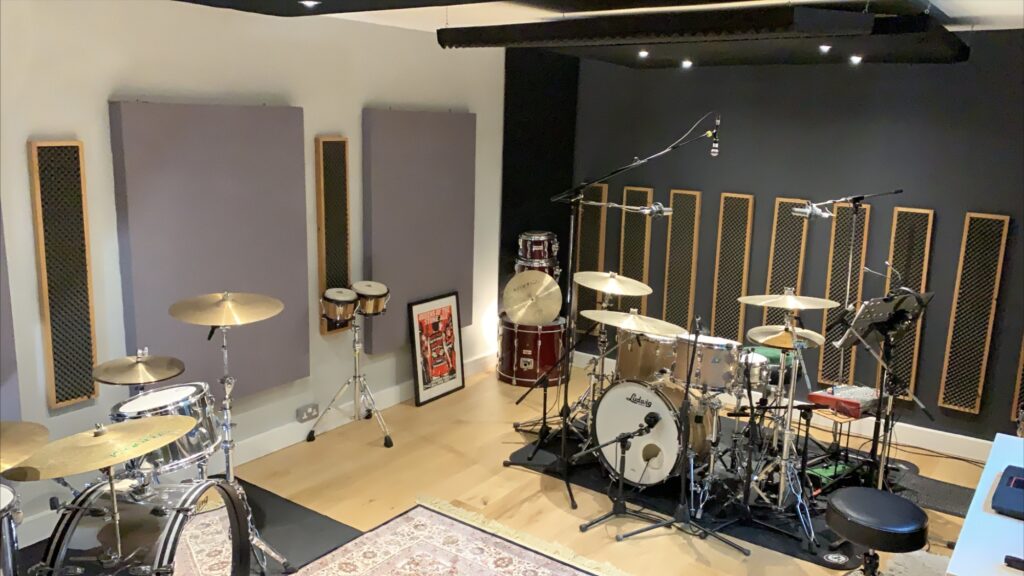
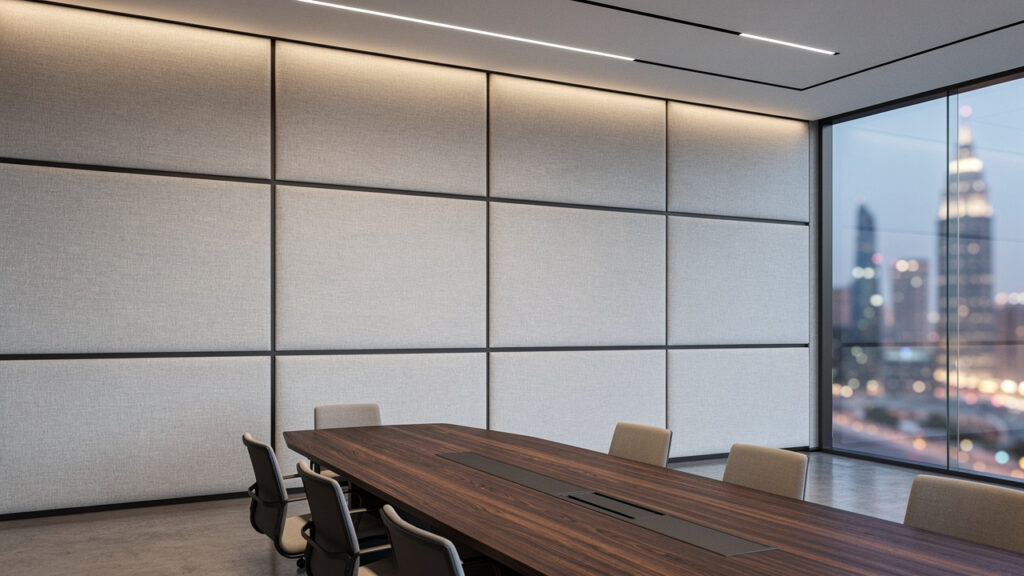
Noise and echo ruin many UAE offices, hotels, and classrooms, even when the interiors look premium.
Add hard floors, glass walls, and high ceilings, and the sound problems grow very fast.
A PVC profile track in a stretch fabric acoustic system holds fabric over acoustic panels so walls and ceilings stay smooth while sound levels drop. It acts as a hidden frame that keeps the fabric tight, protects the insulation behind it, and delivers a clean architectural finish. In this guide, you see what the track does, how it compares to metal or wood, which edge profile to pick, and how Waseem Technical supports full commercial projects across the UAE and GCC.
Good sound control helps people concentrate, sleep, learn, and communicate clearly. Keep reading to align better acoustics, stronger aesthetics, and easier maintenance in one smart choice.
Key Takeaways
Choosing the right PVC profile system starts with a clear view of what the track actually does.
A PVC profile track acts as the structural frame for a stretch fabric acoustic system, gripping the fabric and hiding fixings while keeping acoustic panels secure behind it. This gives commercial interiors smooth, flat walls and ceilings that also control echo and noise.
PVC performs better than metal or timber in the UAE climate because it resists heat, humidity, dust, and corrosion without warping. That means fewer call outs for repairs and a longer service life for offices, hotels, schools, hospitals, and other busy facilities.
Design teams can choose between straight and V grooved edge profiles, use on site fabrication to follow curves and corners, and keep future maintenance simple. With Waseem Technical, the same specialist team designs, supplies, and installs the full acoustic system around the PVC profile track.
What Is A PVC Profile Track And Why Does It Matter For Commercial Interiors?
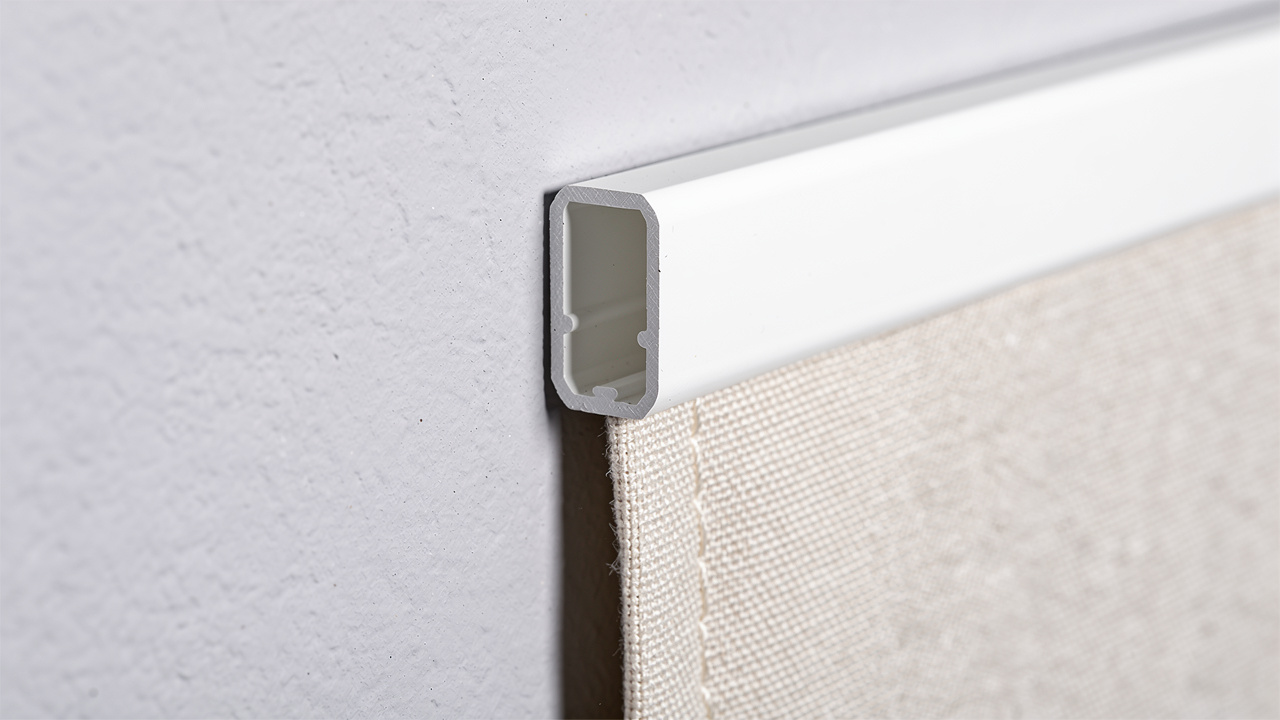
A PVC profile track for commercial interiors is a shaped PVC channel that grips stretch fabric and holds it tight over acoustic insulation on walls or ceilings. In a finished room, the track stays hidden while the fabric shows as a smooth, continuous surface. This single component sets the line, tension, and stability for the entire stretch fabric acoustic system.
A typical stretch fabric acoustic system usually includes:
A PVC profile track fixed to the wall or ceiling substrate
Acoustic insulation or panels fitted inside the framed area
A chosen fabric stretched and locked into the track
In offices, hotels, conference centers, cinemas, and classrooms, the track does more than frame fabric. It locks acoustic panels in place so they can absorb echo, reduce reverberation, and cut down noise transfer between adjoining spaces. According to the World Health Organization, environmental noise ranks just behind air pollution as a major environmental health risk, which shows how serious uncontrolled sound can become.
Good acoustic design helps people focus, sleep, learn, and enjoy entertainment without distraction. The PVC profile track supports this by keeping panel joints tight, avoiding gaps that leak sound and light, and preventing sagging fabric over time. Because the track runs around perimeters, columns, and soffits, it also lets designers:
Hide services and cabling
Integrate lighting details and reveals
Align wall and ceiling planes for a cleaner visual line
Waseem Technical uses acoustical PVC track profiles as the backbone of its stretch fabric systems across Dubai, Abu Dhabi, Sharjah, and the wider GCC. Their teams cut and fix the tracks on site, wrap high-performance acoustic panels, and tension the chosen fabric so commercial clients get consistent sound quality and a clean, modern look in one coordinated system.
How Does PVC Compare To Traditional Materials For UAE Commercial Projects?
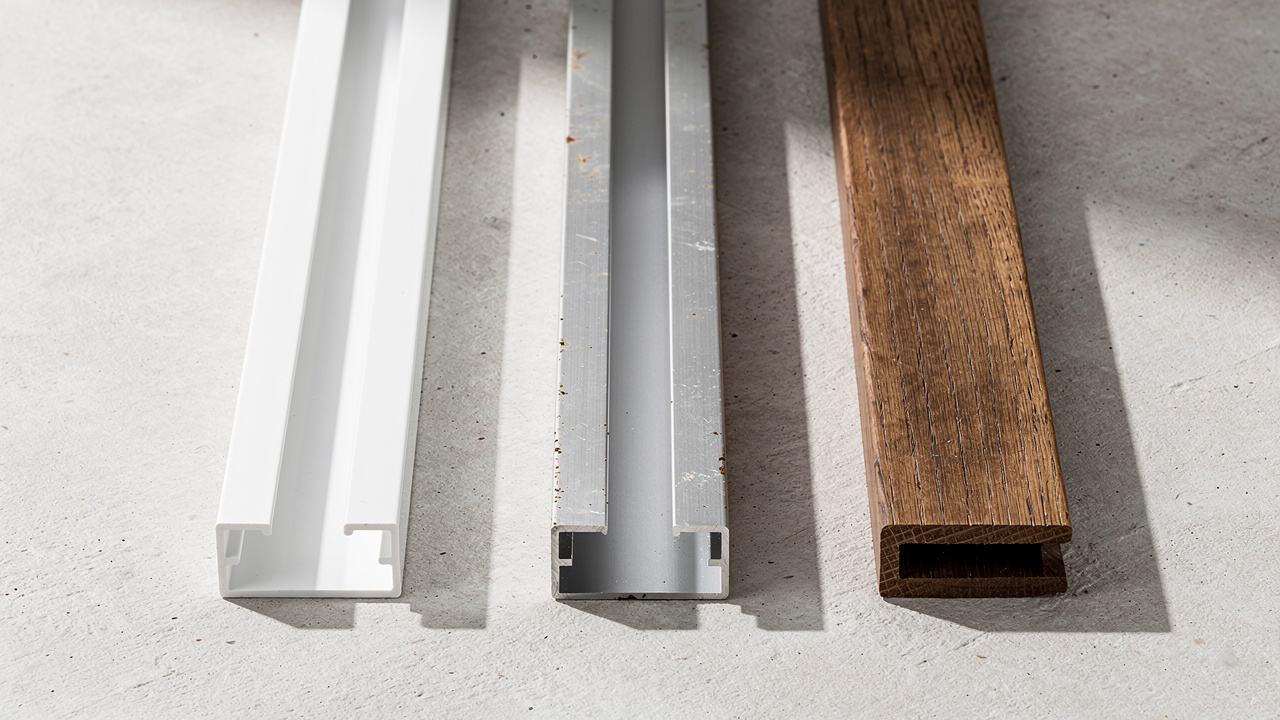
PVC profile track systems for acoustic walls and ceilings often outperform aluminum and wood in the UAE climate because the material resists heat, humidity, and corrosion. Data from the UAE National Center of Meteorology shows that summer temperatures in cities such as Abu Dhabi often exceed 45 degrees Celsius, with coastal humidity frequently very high. Under these conditions, metal can expand, squeak, and corrode, while timber can swell, crack, or host mold.
PVC handles these stresses more calmly, and the environmental costs of PVC recycling cycles show the material maintains dimensional integrity across repeated use, confirming it does not rust and does not soak up moisture even under sustained thermal stress. That stability matters in hotel ballrooms, office towers, and schools where acoustic fabric systems must stay aligned year after year. PVC is also lighter than aluminum, so tracks are easier to fix to gypsum ceilings and stud walls without overloading anchors or creating safety concerns.
From a practical design and maintenance viewpoint, PVC offers several advantages:
Dimensional stability in hot, humid environments
Low weight, which helps with fixing to gypsum and lightweight partitions
Non-corroding material, suitable for coastal cities such as Dubai and Doha
Clean edges that hold fabric securely without sharp burrs
Maintenance is another major difference. Aluminum and painted steel often need fresh coatings and frequent lubrication, especially near the Gulf coastline in Dubai, Sharjah, and Ras Al Khaimah. Timber trims can require sanding, repainting, or even replacement when they move or crack. PVC profile tracks usually need only periodic dusting and the occasional wipe, which saves labor for facility teams. The International Facility Management Association notes that operations and maintenance dominate a building’s lifetime cost, so small savings here add up across large portfolios.
“Maintenance costs over the life of a facility can be several times the initial construction cost.” — International Facility Management Association (IFMA)
Here is a quick comparison for UAE commercial interiors.
| Feature | PVC Profile Track | Aluminum Track | Wood Trim Track |
|---|---|---|---|
| Corrosion Resistance | High | Medium | Low |
| Heat And UV Tolerance | High | Medium | Low |
| Maintenance Needs | Low | Medium | High |
| Installation Flexibility | High | Medium | Low |
| Long Term Cost | Low | Medium | High |
For property managers and designers across the UAE and GCC, this balance of stability, flexibility, and low upkeep makes PVC a practical base material for serious acoustic work. Waseem Technical specifies PVC profile track for exactly these reasons on commercial projects from Dubai Media City to Riyadh and Doha.
Which PVC Profile Track Edge Option Is Right For Your Project?
PVC profile track for stretch fabric acoustic systems usually comes in two edge styles, and each suits different design goals. The straight edge profile holds the fabric in one smooth plane, so the finished wall or ceiling looks flat, minimal, and free from shadow lines. The V grooved edge creates a small recessed channel that reads as a thin, sharp shadow, adding extra depth and rhythm across the surface.
In quiet, focused spaces such as corporate offices, hospitals, and classrooms, designers often prefer the straight edge profile. The flat look works well with simple lighting, clean furniture lines, and clinical interiors where the goal is calm, neutral surfaces that do not distract users. Straight edges also help corridors and long walls feel continuous, since joints between panels become almost invisible behind the stretched fabric.
In hospitality, entertainment, and executive environments, the V grooved profile earns more attention. That recessed line can follow grids, bands, or curves around auditoriums, hotel lobbies, cinemas, and boardrooms. It breaks up large fields of fabric and makes acoustic treatment look intentional rather than hidden. Research from the International WELL Building Institute links interior quality with comfort and brand perception, and visible detail like this supports those goals.
Waseem Technical supplies both straight and V grooved acoustical track profiles to interior designers, architects, and contractors across the UAE and GCC. During project consultations, their team walks through drawings and mockups, then recommends where each edge type should go so the space sounds controlled and also matches the design language of the wider fit out.
Matching Edge Profiles To Commercial Space Types
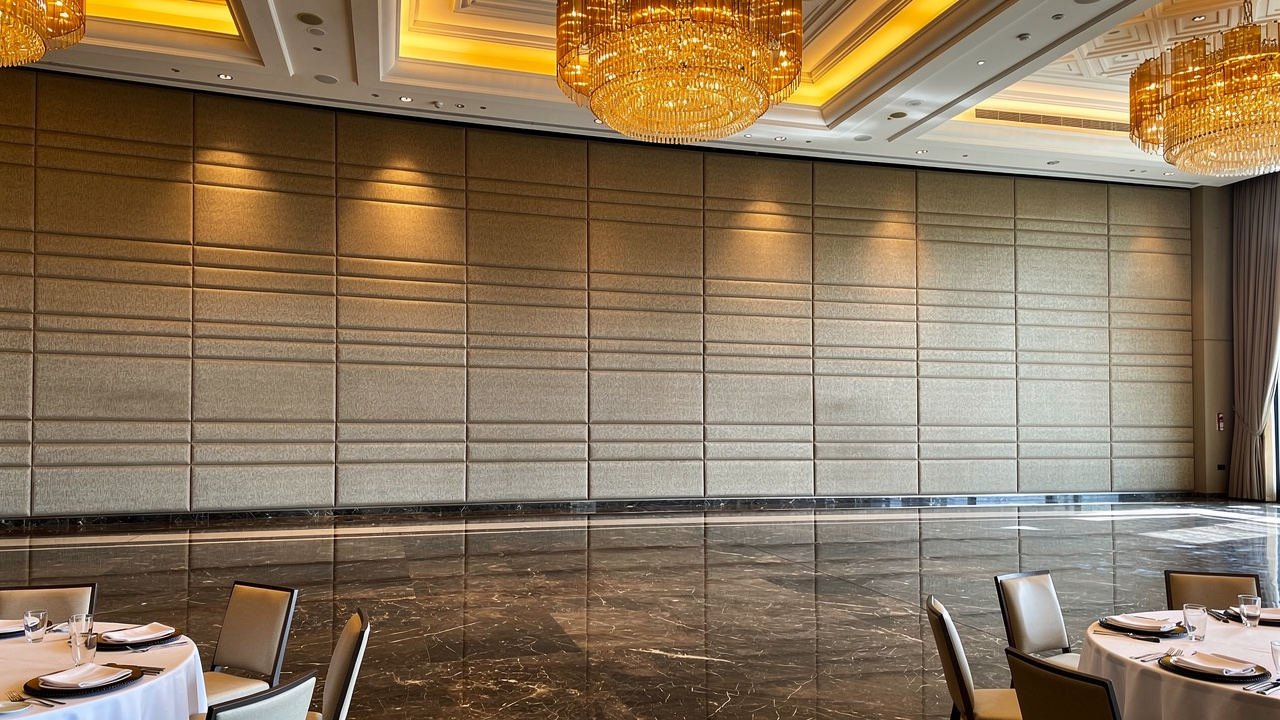
Finding the right edge profile becomes easier when you match it to how a space functions every day.
Corporate office lobbies and open plan work floors usually benefit from the straight edge profile, because it keeps walls quiet in appearance and highlights brand elements such as signage and screens instead. This edge helps welcome areas feel calm, even when foot traffic and phone calls stay busy all day.
Hotel ballrooms often look better with the V grooved profile, since the thin shadow lines add luxury detail around chandeliers, stage areas, and feature walls. The grooves also help hide panel joints when ballrooms use movable walls or complex lighting layouts for events and weddings.
Hospital corridors and waiting areas lean toward the straight edge profile, which supports infection control by creating smooth, wipeable surfaces with no exposed timber trims. The flat visual line also blends well with medical equipment rails and signage systems across the corridor.
Auditoriums, cinemas, and high specification conference rooms usually favor the V grooved profile, as the shadows echo the stepped seating, ceiling coffers, and lighting grids around the room. Acoustic panels behind the fabric reduce echo, while the grooves help the space look more technical and performance ready. On site fabrication by Waseem Technical allows either edge style to wrap curves, corners, and custom details without special factory orders.
How To Evaluate A PVC Profile Track System For Sound And Finish Performance
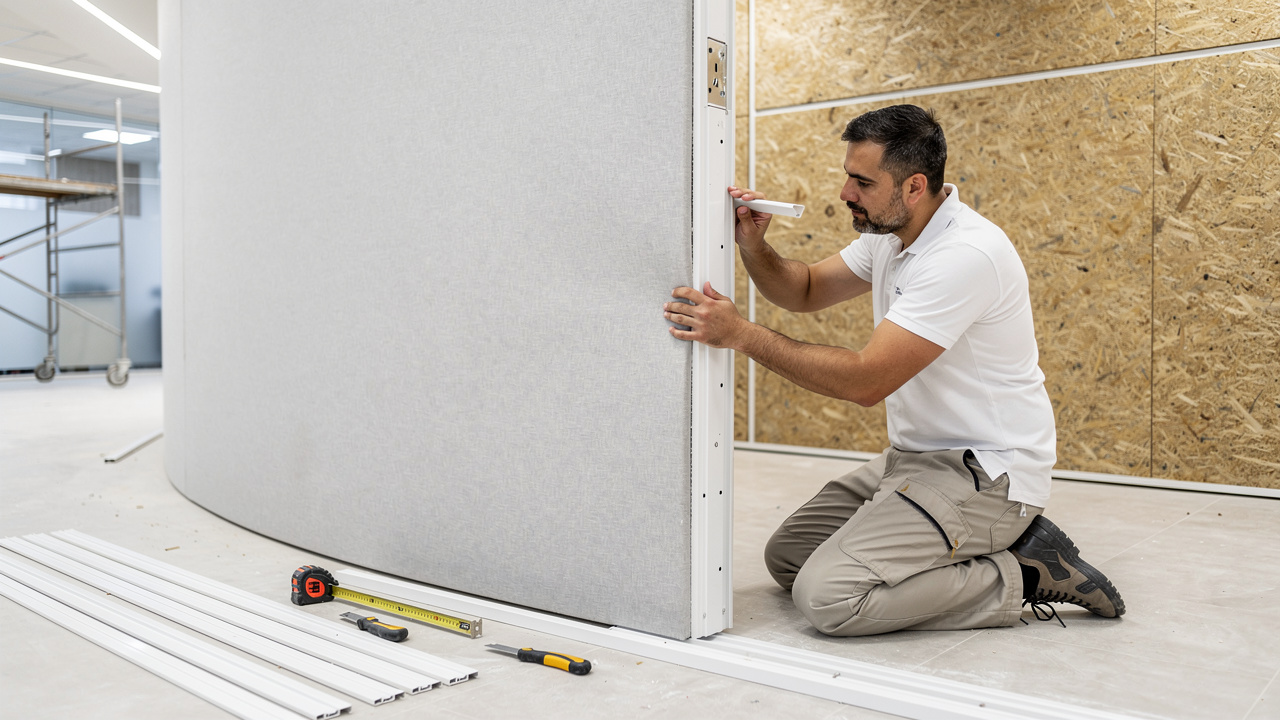
A PVC profile track system for commercial interiors must deliver two main results at once. It must keep acoustic fabric tight for a sharp, clean finish, and it must act as a solid frame for sound absorbing panels that cut echo and background noise. If a track fails on either point, the room will either look untidy or still sound harsh.
When you review PVC track options, it helps to look at them in this order:
Acoustic performance as a complete assembly
The track should accept different panel thicknesses so designers can hit target reverberation times in offices, schools, hotels, and worship spaces. Studies highlighted by Nielsen Norman Group show that noise is one of the most common complaints in open offices, which means acoustic control is now a basic expectation rather than a luxury. A good track system lets you place treatment exactly where modeling says it is most effective.Finish quality under real lighting
Look for profiles that grip fabric evenly along the full perimeter, even at internal and external corners. The better the fabric tension, the more seamless the surface looks under grazing light from downlights or cove lighting. Waseem Technical’s acoustical PVC tracks are designed for on site cutting and shaping, so installers can follow curves, columns, and reveals in malls, airports, and university buildings without gaps or wrinkles.Climate resistance and material behavior
You also need to check how the track reacts to temperature swings and humidity. PVC tracks should hold their shape under UAE conditions, resist dust buildup, and stay free from corrosion near coastal locations such as Dubai Marina or Doha Corniche.Maintenance and access
Finally, look at how simple the system is to clean, repair, and adjust. Facility teams should be able to access panels for replacement and re-tension fabric when layouts change, without cutting into the base structure.
“Excessive noise seriously harms human health and interferes with people’s daily activities.” — World Health Organization
This reminder from the World Health Organization shows why acoustic design in offices, hotels, and conference rooms now sits at the same level as lighting and air quality. A well chosen PVC profile track system helps you meet that standard while keeping interiors visually calm and orderly.
Why Waseem Technical Is The Trusted PVC Profile Track Partner For UAE Commercial Projects
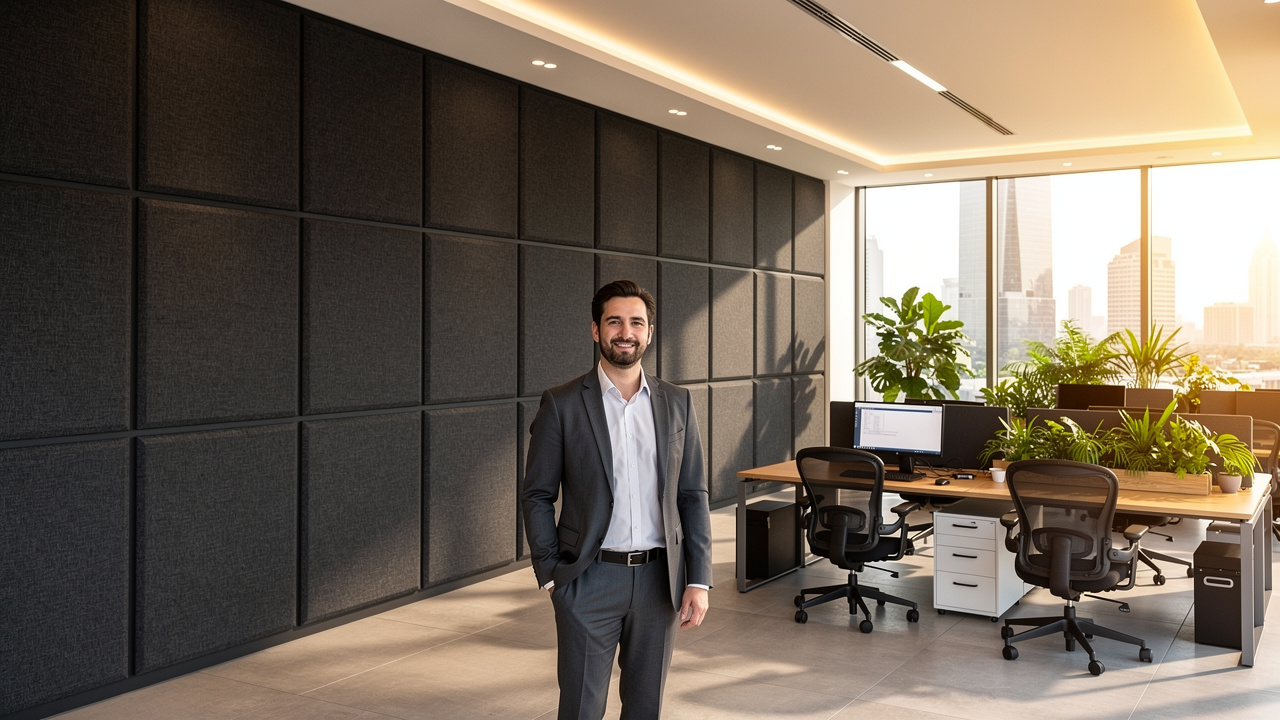
For commercial clients across the UAE and GCC, Waseem Technical focuses only on soundproofing and acoustics rather than general maintenance. That narrow focus means their teams understand how PVC profile track choices affect reverberation times, speech clarity, and privacy in offices, hotels, schools, and healthcare facilities. They bring more than thirteen years of experience with regional building methods, from towers on Sheikh Zayed Road to industrial sheds in Oman.
Waseem Technical supplies acoustical PVC profile tracks in both straight and V grooved edge options, then fabricates everything on site. This approach lets installers cut and bend profiles to suit curved feature walls, stepped ceilings, and irregular property lines without waiting for factory special orders. Combined with CNC cut acoustic panels, the result is a precise fit that respects both drawings and real world site conditions.
Alongside the track, Waseem Technical provides:
Acoustic wall and ceiling systems
Acoustic seals for doors and partitions
Acoustic floor underlay for impact and footfall noise
This means property teams work with one specialist from design through installation. That single source approach reduces coordination risks on busy fit outs in Dubai, Abu Dhabi, Riyadh, Doha, and beyond. The International Facility Management Association points out that smooth operations matter as much as first construction, and integrated acoustic packages help keep spaces usable during upgrades.
You can reach Waseem Technical by phone or WhatsApp on +971 50 209 7517 or visit Waseem Technical. Ask for a free acoustic check and PVC profile track recommendation for your commercial space, and their team will propose a clear, practical plan.
Keskkond (Conclusion) — The Bottom Line
Choosing the right PVC profile track for a commercial interior in the UAE comes down to three connected decisions. First, PVC beats metal and timber in this climate because it resists heat, humidity, dust, and corrosion while staying light and easy to handle. That makes it a smart base for acoustic systems in long term properties.
Second, edge profile choice shapes the look of every wall and ceiling. Straight edges give flat, quiet surfaces that suit clinics, classrooms, and corporate offices, while V grooved edges add controlled shadow lines that fit hotels, auditoriums, and premium meeting rooms. Third, the track must work as part of a system that includes acoustic panels, stretch fabric, seals, and floor underlays so both sound and aesthetics stay consistent across the project.
Waseem Technical brings all these pieces together for projects across the UAE and GCC, using PVC profile track systems that balance durability, sound performance, design freedom, and low maintenance. If you are planning a new fit out or upgrading an existing space, their specialist team can help you select, supply, and install a track system that sounds as good as it looks.
Frequently Asked Questions.
Question 1: What types of commercial spaces benefit most from a PVC profile track acoustic system?
Spaces that need both noise control and clean visual finishes gain the most from these systems. Offices, conference rooms, recording and podcast studios, auditoriums, hotels, hospitals, schools, universities, cinemas, and lecture halls all fit this group. Anywhere that speech clarity, comfort, and design quality matter is a strong candidate, especially where hard surfaces and glass create echo.
Question 2: Can PVC profile tracks be installed on curved or non standard wall surfaces?
Yes, Waseem Technical’s PVC profile tracks support on site fabrication for complex layouts. Installers cut, notch, and shape the profiles directly on the project to follow curves, angled corners, and bulkheads. This method avoids long waits for custom factory profiles and still delivers tight, smooth fabric tension on every surface, even on feature walls and domed ceilings.
Question 3: How long do PVC profile tracks last in UAE commercial environments?
PVC profile tracks last many years in UAE conditions because they resist heat, UV, humidity, and dust without rusting or swelling. With simple cleaning and periodic inspections, they keep their shape and grip, so fabric and acoustic panels stay in place. Compared to timber or metal trims, replacement cycles are usually far less frequent, which helps control long term budgets.
Question 4: Does Waseem Technical supply PVC profile tracks outside the UAE?
Yes, Waseem Technical serves the wider GCC as well as the UAE. Their teams support projects in Saudi Arabia, Qatar, Kuwait, Bahrain, and Oman, including cities such as Riyadh and Jeddah. This regional reach helps multi site clients standardize acoustic quality and appearance across several countries while working with a single specialist.
Question 5: What is the difference between a straight edge and a V grooved PVC profile track?
A straight edge PVC profile track delivers a flat, seamless fabric finish with no visible shadow lines, which suits minimalist and clinical spaces. A V grooved profile forms a neat recessed line that adds depth and visual interest, ideal for hospitality venues and auditoriums. Both styles are available from Waseem Technical for UAE and GCC projects, and the right choice depends on whether you want the acoustic treatment to disappear into the background or play a visible role in the design.