
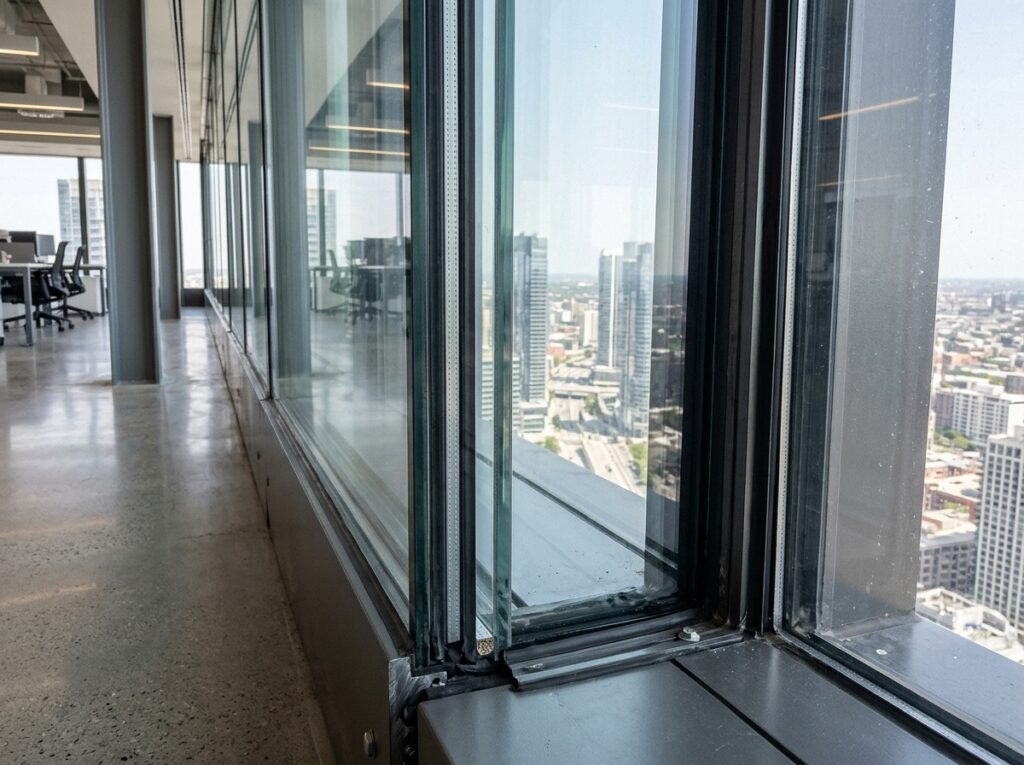
Modern buildings increasingly rely on large windows to create bright interiors, improve views, and establish a connection with the outdoors. However, conventional glazing may allow unwanted external noise to enter indoor spaces. Traffic, construction activity, nearby commercial areas, and everyday neighbourhood sounds can affect comfort in homes, offices, hotels, and other buildings.
For property owners and construction professionals in Al Ain, UAE, acoustic glass windows offer a practical way to improve indoor sound insulation while maintaining the visual appeal of modern glazing. These windows use carefully selected glass compositions, specialised interlayers, insulated glass units, and properly sealed frames to help reduce the transmission of external noise.
Whether you are planning a new villa, upgrading an apartment, designing an office, or specifying glazing for a commercial development, understanding how acoustic glass windows work can help you make a more informed purchasing decision.
What Are Acoustic Glass Windows?
Acoustic glass windows are glazing systems designed to reduce the amount of airborne sound transmitted through a window. Unlike standard windows that primarily provide visibility, weather protection, and daylight, acoustic glazing incorporates glass configurations selected to improve sound insulation.
Depending on the project, an acoustic window may feature laminated glass with a sound-damping interlayer, double glazing with different pane thicknesses, a wider cavity between glass panes, or a combination of these features.
The complete window system matters. Glass, frames, gaskets, locking mechanisms, perimeter seals, and installation details all influence how much noise enters the building.
For projects in Al Ain, acoustic glass windows can be considered for properties exposed to road traffic, busy residential surroundings, commercial activity, mechanical equipment, or other sources of environmental noise.
It is important to understand that acoustic windows do not create absolute silence. Their purpose is to reduce sound transmission and improve indoor comfort when the correct system is selected for the building and its noise conditions.
Why Choose Acoustic Glass Windows in Al Ain?
Al Ain includes residential neighbourhoods, villas, educational facilities, healthcare buildings, offices, hospitality properties, and commercial developments. Each building has different requirements for privacy, comfort, daylight, and energy performance.
Acoustic glazing can support these requirements in several ways.
1. Reduce Unwanted Outdoor Noise
External noise can enter through glass and through small gaps around the window frame. Acoustic glazing helps reduce the sound energy passing through the glass, while effective seals limit noise leakage around the opening.
This can be particularly useful for bedrooms, home offices, meeting rooms, and other spaces where a quieter environment is desirable.
2. Improve Residential Comfort
Homes should provide a comfortable place to rest, work, and spend time with family. Repeated exposure to traffic sounds, nearby activities, or outdoor equipment can become distracting, especially when bedrooms or living areas face the noise source.
Acoustic glass windows can help create a more comfortable indoor environment without requiring homeowners to sacrifice natural light or exterior views.
3. Support Workplace Productivity
Offices often depend on concentration, clear communication, and fewer distractions. Noise entering through conventional windows may interfere with telephone calls, online meetings, and focused work.
A properly specified acoustic window system can help reduce external sound transmission in offices, consultation rooms, and other professional environments.
4. Maintain Natural Light and Modern Design
One advantage of acoustic glazing is that it can improve sound insulation without relying on opaque barriers. Clear glass, slimline frames, and contemporary window designs can preserve daylight and architectural appearance.
The final appearance depends on the chosen glass composition, frame dimensions, opening style, and project requirements.
5. Combine Sound and Thermal Performance
Buildings in Al Ain must also account for the region’s hot climate and strong sunlight. Some insulated glazing configurations can combine acoustic performance with thermal insulation and solar-control features.
However, acoustic and thermal performance are separate design considerations. A glazing system should be evaluated for both rather than assuming that a window with good thermal insulation will automatically provide strong noise reduction.
Types of Acoustic Glass Windows Available
Different glazing configurations address different noise conditions. Selecting the right type involves considering the noise source, building orientation, window dimensions, safety requirements, and desired performance.
Acoustic Laminated Glass Windows
Acoustic laminated glass consists of two or more glass layers bonded together using an interlayer designed to damp vibration. Special acoustic polyvinyl butyral (PVB) interlayers are commonly used to improve sound insulation in suitable glazing constructions.
When sound waves cause the glass to vibrate, the interlayer helps dissipate some of that vibrational energy. The resulting performance depends on the glass thicknesses, interlayer type, and complete window configuration.
Acoustic laminated glass may be suitable for:
- Residential windows facing roads or active neighbourhoods
- Villa glazing where outdoor noise is a concern
- Office windows requiring improved indoor comfort
- Commercial buildings with extensive glazed façades
- Projects requiring both sound insulation and laminated safety glass
The term “laminated glass” does not automatically mean that a product uses an acoustic-grade interlayer. Buyers should confirm the exact glass composition and request relevant performance documentation.
Double-Glazed Acoustic Windows
Double glazing uses two panes of glass separated by a cavity. Depending on the design, the cavity may contain air or an insulating gas.
For acoustic applications, the performance depends on several factors, including the thickness of each pane, the width of the cavity, the use of laminated glass, and the quality of the frame and seals.
An important consideration is whether the two panes have different thicknesses. Asymmetrical glazing can help avoid some shared resonance effects associated with identical panes, improving performance across certain sound frequencies.
Double-glazed acoustic windows may be suitable for villas, apartments, offices, and other buildings where sound insulation and thermal performance are both priorities.
Acoustic Insulated Glass Units
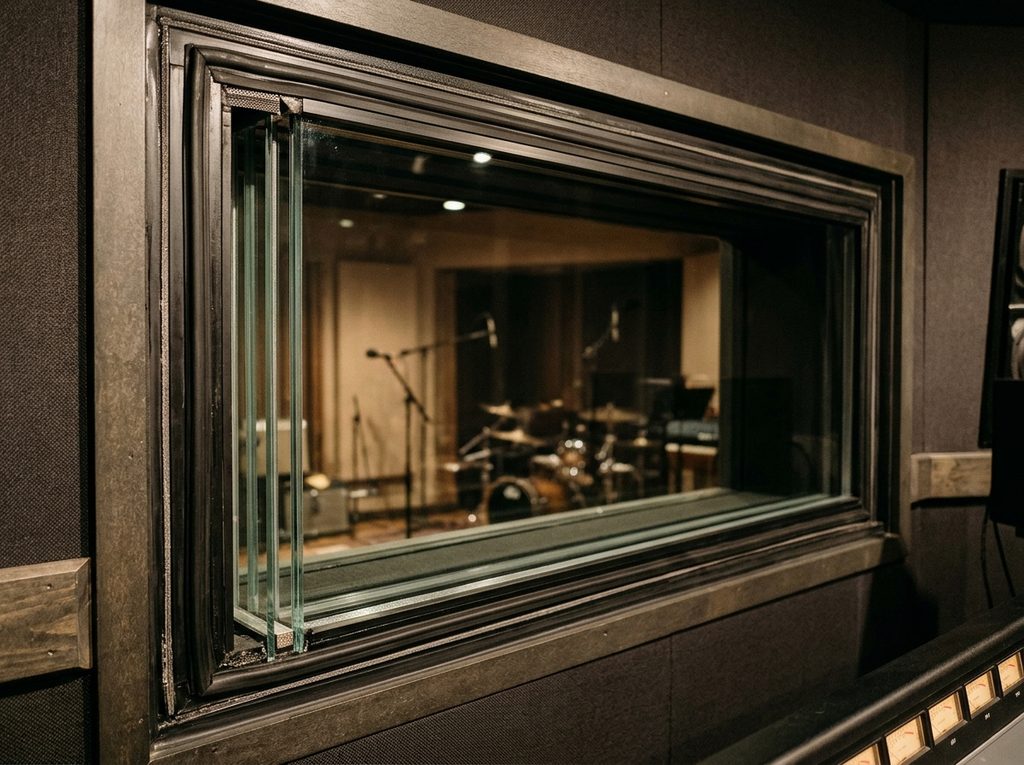
An insulated glass unit, commonly called an IGU, is a factory-assembled glazing unit containing two or more panes separated by a sealed cavity.
An acoustic IGU may combine different glass thicknesses with an acoustic laminated pane to improve sound insulation. The cavity and glass configuration are selected according to the required performance.
For example, a project may use a thicker exterior pane and an acoustic laminated interior pane rather than two identical panes. The appropriate specification must be determined using tested or calculated performance data for the proposed construction.
These systems can be considered for new construction, façade upgrades, and projects where thermal and acoustic requirements need to be addressed together.
Secondary Glazing Systems
Secondary glazing involves adding another window layer inside an existing window opening. The two glazing layers are separated by an air space, creating an additional barrier to sound transmission.
This option may be useful when replacing the original windows is impractical, provided the existing window and building conditions allow a suitable installation.
The distance between the original window and secondary glazing, the glass specification, and the airtightness of both systems influence the final result. A properly designed secondary system can perform differently from a conventional double-glazed unit, so specifications should be compared carefully.
Custom Acoustic Window Systems
Some buildings require specialised solutions because of unusually high external noise, large glass areas, architectural constraints, or demanding privacy requirements.
Custom acoustic windows may incorporate thicker glazing, acoustic laminated glass, larger cavities, specialised frames, and carefully designed sealing details.
These systems should be selected based on the actual project conditions rather than relying solely on a generic product description.
How Do Acoustic Glass Windows Reduce Noise?
Acoustic glazing works by limiting the transfer of sound energy through the window assembly. Several principles contribute to its performance.
Glass Mass and Thickness
Glass has mass, and increasing its thickness can improve sound insulation in certain frequency ranges. However, simply choosing the thickest available glass is not always the most effective solution.
The glass must also be compatible with the window frame, hardware, structural requirements, and overall design.
Vibration Damping
When glass vibrates in response to sound waves, some of that vibration can pass through the glazing. Acoustic laminated glass uses a specialised interlayer to damp these vibrations.
The improvement depends on the type of interlayer, glass thickness, and frequency of the sound.
Pane Separation and Cavity Design
In double-glazed systems, the cavity separates the panes and influences how sound moves through the assembly. Pane thicknesses and cavity dimensions can be adjusted to improve performance.
The design should account for resonance and other frequency-dependent effects rather than assuming that every double-glazed window provides the same acoustic benefit.
Airtight Frames and Seals
Even high-performance glass may underperform if sound can pass through gaps around the frame. Worn gaskets, poorly adjusted sashes, incomplete perimeter seals, and installation defects can create sound leakage paths.
For this reason, the frame and installation must be considered part of the acoustic solution rather than treated as secondary details.
Important Factors When Choosing Acoustic Glass Windows in Al Ain
Before purchasing acoustic glazing, assess the conditions that influence performance and suitability.
Identify the Main Noise Source
Different noise sources have different frequency characteristics. Traffic, aircraft, voices, machinery, and construction equipment do not all produce the same sound profile.
If the main problem is low-frequency rumbling, a solution selected primarily for speech frequencies may not deliver the desired result. Identifying the source and character of the noise helps guide glass selection.
Check the Required Acoustic Rating
Acoustic glazing products may be assessed using ratings such as the weighted sound reduction index (Rw), while window products in some markets are also described using Sound Transmission Class (STC) or Outdoor-Indoor Transmission Class (OITC).
These ratings are not interchangeable in every application. Rw and STC summarise sound insulation using different standards, while OITC places greater emphasis on sound commonly associated with outdoor sources, including traffic and aircraft.
Always check which rating is provided, the test standard used, and whether the result applies to the glass alone or the complete window system.
A laboratory rating should not be interpreted as a guaranteed reduction of the same number of decibels inside a particular room.
Evaluate Frame Construction
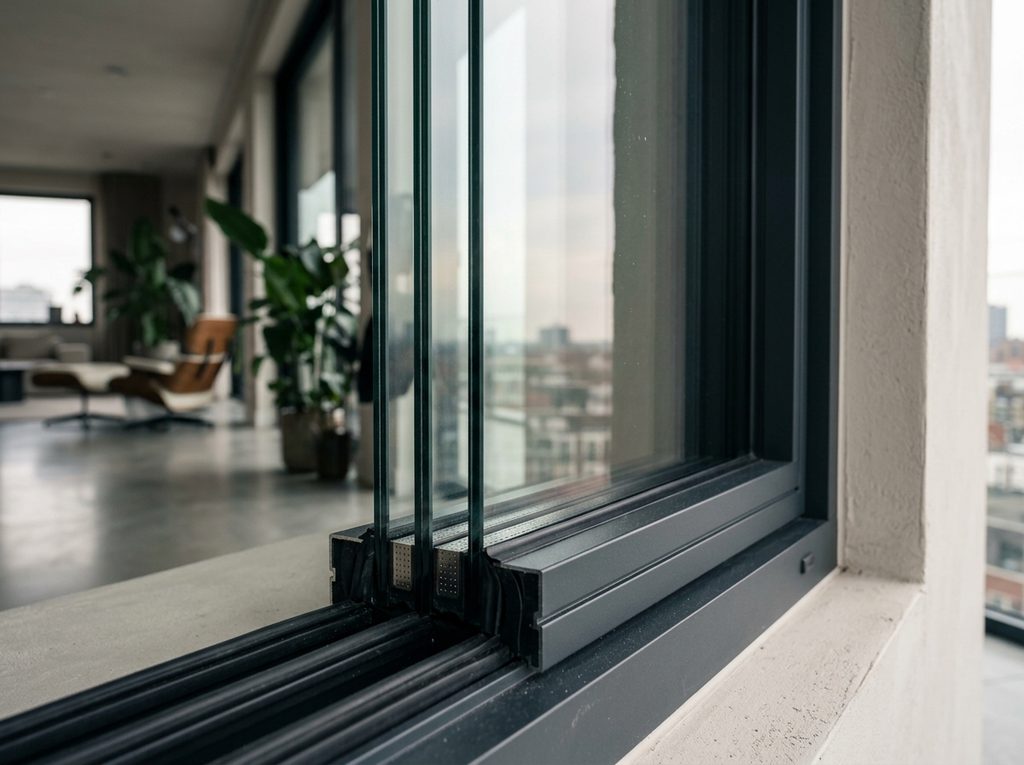
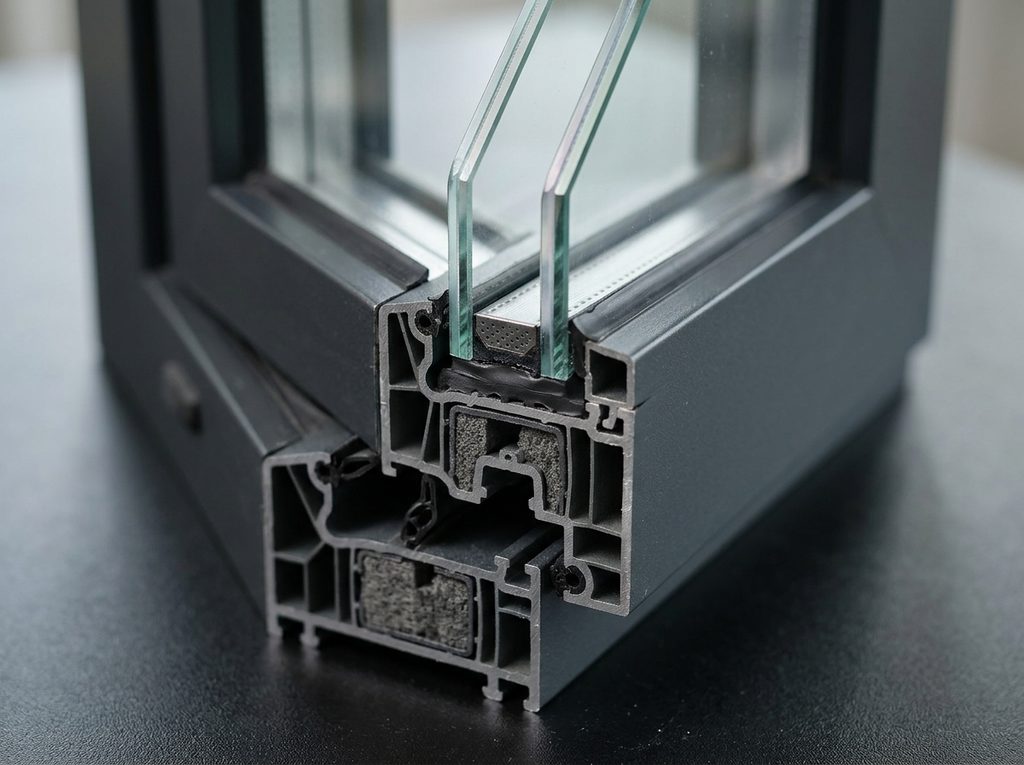
The frame must support the selected glass weight and maintain reliable compression against the seals. Aluminium, uPVC, and other frame materials can all be used in different window designs, but material choice alone does not establish acoustic performance.
Look for information about the complete tested assembly, including the frame, opening type, gaskets, locking system, and installation details.
Consider Window Size and Opening Style
Large windows require appropriate structural support and careful detailing. Sliding, casement, tilt-and-turn, and fixed windows may have different sealing arrangements and hardware requirements.
A fixed window may have fewer moving joints, while an operable window must maintain effective seals when closed. The most suitable configuration depends on ventilation needs, access, cleaning, safety, and project design.
Account for Thermal and Solar Performance
In Al Ain’s climate, the glazing specification should also consider solar heat gain, thermal insulation, daylight, and the building’s cooling requirements.
Solar-control coatings and insulating glass configurations may be combined with acoustic laminated glass, but compatibility must be confirmed with the manufacturer. The goal is to select a system that meets the project’s acoustic, thermal, safety, and visual requirements together.
Verify Safety and Compliance
Window glass must be appropriate for its location and intended use. Areas subject to impact, low-level glazing, doors, guardrails, or other safety-sensitive applications may require specific safety-glass constructions.
Ask the supplier or project consultant to verify applicable local building requirements, structural loading, glass safety classification, and relevant product documentation before finalising the specification.
Applications of Acoustic Glass Windows
Acoustic glazing can be considered across a variety of building types in Al Ain.
Residential villas and houses: Improve comfort in bedrooms, living rooms, home offices, and windows facing busier streets.
Apartments and residential developments: Reduce unwanted sound entering through external glazing, subject to the building’s façade design and other sound transmission paths.
Offices and commercial spaces: Help minimise outdoor distractions in work areas, meeting rooms, and client-facing spaces.
Hotels and hospitality properties: Support guest comfort in rooms and other spaces where external noise may affect the experience.
Healthcare and educational facilities: Help create quieter interiors for consultation rooms, learning spaces, and administrative areas where concentration and comfort matter.
Retail spaces and showrooms: Preserve clear views and daylight while helping manage external noise, depending on the building’s location and glazing requirements.
The suitability of acoustic glass varies by project. A building with poorly insulated walls, noisy ventilation equipment, or gaps elsewhere in the façade may require a broader acoustic strategy.
Acoustic Glass Windows vs Standard Windows
The main difference is the way the glazing and complete window assembly are selected to manage sound transmission.
| Feature | Standard windows | Acoustic glass windows |
|---|---|---|
| Main design objective | General glazing, weather protection, and daylight | Improved sound insulation alongside other glazing functions |
| Glass construction | Often conventional single or double glazing | May use acoustic laminated glass, asymmetric panes, or specialised IGUs |
| Sound performance | Depends on the complete window specification | Specifically selected to meet a sound-insulation target |
| Frame and sealing | Quality varies by product | Airtightness and system compatibility are especially important |
| Customisation | Available in many sizes and finishes | Can be specified according to noise conditions and project requirements |
| Cost | Often lower for basic configurations | May cost more due to specialised glass and system requirements |
A standard double-glazed window is not automatically ineffective, and an acoustic-labelled window is not automatically suitable for every noise problem. Compare tested performance, installation requirements, and the complete project specification.
Common Mistakes to Avoid
Assuming All Double Glazing Is Acoustic Glazing
Two panes of glass provide a different construction from a single pane, but the acoustic performance depends on pane thickness, spacing, and other design features. Request the tested rating of the actual proposed assembly.
Choosing Glass Without Considering the Frame
Noise may bypass the glass through poorly sealed joints or unsuitable window components. A balanced specification should address the glass, frame, hardware, seals, and building interface.
Ignoring Installation Quality
Even a carefully designed window can lose performance if it is installed with gaps, incomplete perimeter sealing, or poor frame adjustment.
Installation details should be included in the quotation and scope of work, not left until the final stage of construction.
Expecting Complete Silence
Acoustic glazing reduces sound transmission; it does not eliminate every source of noise. Sound may also travel through walls, roofs, floors, ventilation openings, doors, and structural connections.
Where noise levels are high, a professional assessment may be needed to identify all significant transmission paths.
Comparing Prices Without Comparing Specifications
Two windows of similar size can have different acoustic performance, glass thickness, safety features, and frame designs.
Compare the complete glass make-up, acoustic test evidence, thermal properties, warranty, hardware, installation scope, and expected maintenance requirements rather than selecting on price alone.
Installation and Maintenance of Acoustic Glass Windows
Correct installation is essential for achieving the expected performance.
First, the opening should be checked for dimensions, alignment, substrate condition, and suitability for the proposed frame. The frame must be installed securely and adjusted so that operable sections close properly.
Perimeter gaps should be treated using suitable sealing materials and installation details compatible with the window system. The installer should pay particular attention to corners, frame joints, interfaces with the wall, and any penetrations that could create air leakage.
After installation, the window should be checked for smooth operation, consistent gasket contact, and visible defects in the perimeter seals.
Routine maintenance generally includes cleaning the glass using suitable products, inspecting seals and gaskets, checking locks and hinges, and addressing any damage or changes in window operation. Avoid altering the frame or drilling into the glazing system without professional guidance, as this may compromise safety or performance.
For replacement projects, investigate whether existing frames can support the proposed glass thickness and weight before ordering new glazing.
How to Select the Right Supplier for Acoustic Glass Windows in Al Ain
Choosing a suitable supplier is an important part of achieving reliable results. A good supplier should be able to explain the available glazing constructions and help match the proposed system to the project’s requirements.
Consider the following checklist:
- Product specification: Obtain the proposed glass thicknesses, interlayer details, cavity dimensions, and frame configuration.
- Performance evidence: Request acoustic test reports or documented ratings for the relevant window assembly.
- Thermal performance: Confirm the available solar-control and insulation options where required.
- Safety requirements: Verify the suitability of the glass for the intended location and application.
- Installation scope: Clarify whether measurement, delivery, installation, perimeter sealing, and final adjustment are included.
- Warranty and support: Ask about product warranties, maintenance requirements, replacement components, and after-sales assistance.
- Project suitability: Confirm that the system can accommodate the window dimensions, structural requirements, and architectural design.
For buildings with persistent or severe noise problems, an acoustic consultant can assess the noise source and help establish an appropriate performance target before a final glazing system is selected.
Frequently Asked Questions
Are acoustic glass windows effective against traffic noise?
Acoustic glass windows can reduce traffic noise when the glazing, frame, seals, and installation are selected for the relevant sound conditions. Low-frequency engine noise may require a different approach from higher-frequency tyre or general road noise, so the complete specification matters.
Can acoustic glass windows be installed in existing houses?
In many cases, existing windows can be upgraded or replaced with a more suitable acoustic system. The feasibility depends on the existing frame, opening dimensions, structural condition, glass weight, and building requirements. Secondary glazing may also be an option in some situations.
Are acoustic glass windows suitable for hot climates?
Yes, acoustic glazing can be specified for buildings in hot climates. The system should also meet the project’s requirements for solar heat gain, thermal insulation, safety, and durability. Acoustic performance alone does not determine how well a window manages heat.
Does thicker glass always provide better sound insulation?
Not necessarily. Thickness affects sound transmission, but results also depend on the glass composition, pane combination, interlayer, cavity, frame, and frequency of the noise. A properly designed asymmetric or laminated configuration may outperform a simpler configuration in relevant frequency ranges.
Can acoustic glass windows completely block outdoor noise?
No window can guarantee complete silence. Acoustic glazing helps reduce transmitted sound, but residual noise can enter through other parts of the building envelope or through ventilation and structural paths.
What acoustic rating should I look for?
The appropriate rating depends on the noise source and the building’s required indoor conditions. Review Rw, STC, or OITC as applicable, and compare the same type of rating under the relevant test standard. Request evidence for the complete proposed window system wherever possible.
Are acoustic glass windows suitable for offices and commercial buildings?
Yes. They can be specified for offices, meeting rooms, hotels, retail premises, and other commercial buildings where external noise reduction is beneficial. The glazing must be coordinated with the façade design, ventilation strategy, safety requirements, and thermal performance targets.
What affects the cost of acoustic glass windows?
Cost depends on the glass construction, dimensions, frame material, opening style, acoustic target, safety requirements, coatings, hardware, and installation complexity. Custom glazing and higher-performance systems may require additional engineering and testing.
Conclusion: Invest in the Right Acoustic Glass Windows in Al Ain
Acoustic glass windows provide a practical option for improving sound insulation in residential and commercial buildings while preserving natural light and contemporary architectural design. The most suitable solution depends on the source of noise, the required acoustic performance, glass construction, frame quality, sealing details, and installation method.
For property owners, architects, contractors, and developers in Al Ain, choosing glazing based on verified performance rather than appearance or thickness alone can lead to better-informed decisions. Combining acoustic laminated glass or appropriately designed insulated glazing with airtight frames and professional installation helps address one of the most common weaknesses in a building’s external envelope.
If you are planning a new project or upgrading existing windows, compare acoustic glass options according to your building’s needs. Request product specifications, performance documentation, and a quotation for the complete window system to identify a solution that balances noise reduction, thermal comfort, safety, and design.
Looking for acoustic glass windows for your next project in Al Ain, UAE? Explore suitable glazing configurations and discuss your requirements with a qualified supplier to find an option that meets your building’s performance and design goals.