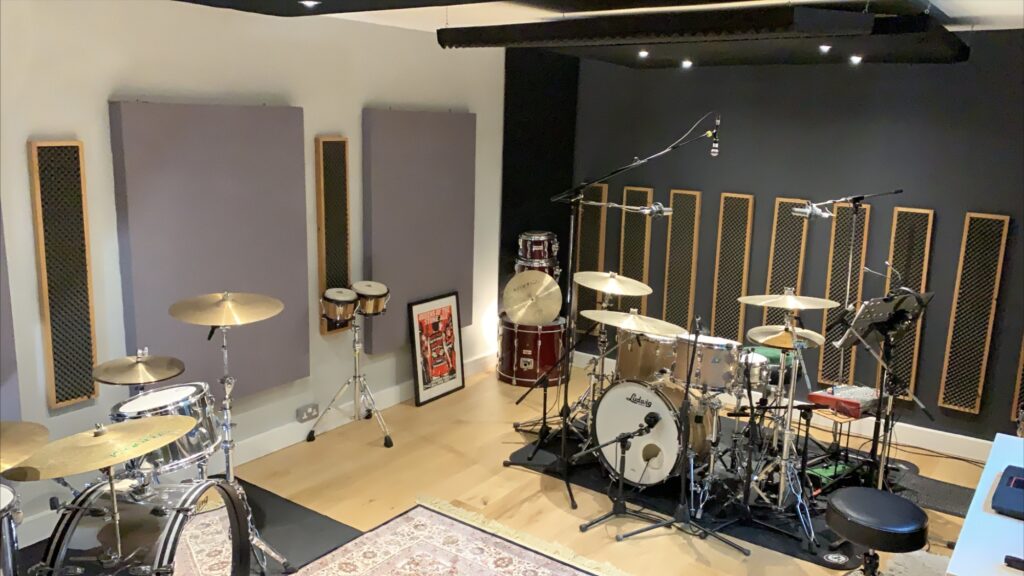
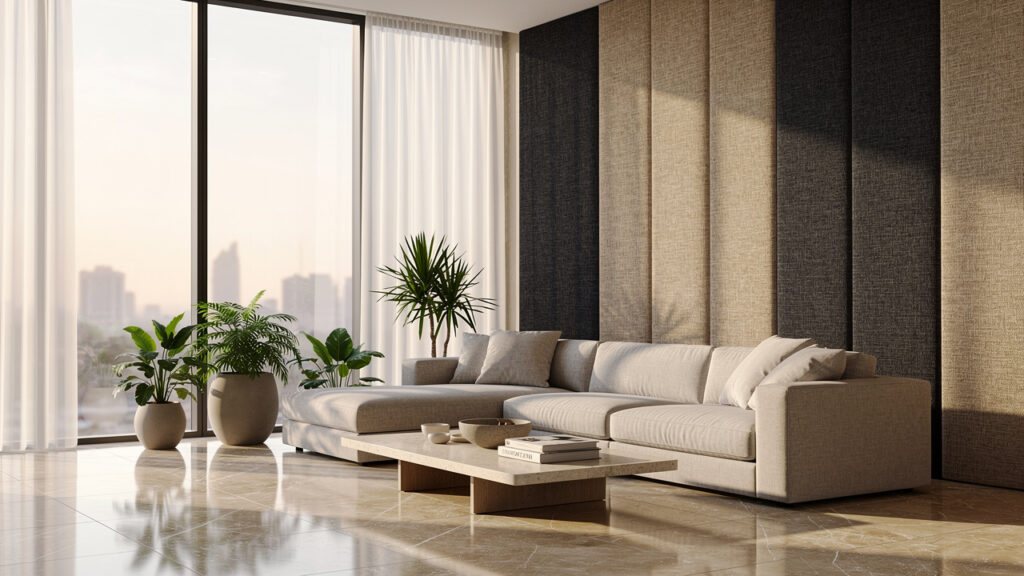
Hard floors, glass partitions, and tall ceilings often turn UAE interiors into echoing, noisy spaces. When acoustic fabric improves interior sound quality, everyday rooms start to feel calmer, clearer, and easier on the ears. Without the right materials, sound keeps bouncing around, and normal living or working quickly feels tiring.
All that echo makes people raise their voices and struggle to follow conversations. In offices and restaurants, it can even push customers and staff to avoid certain areas. At home, the same problem spoils movie nights and quiet time with family.
Acoustic fabric is a breathable textile that absorbs sound instead of reflecting it, which is why it works so well in hard-surface rooms. In this guide, you will see how acoustic fabric improves interior sound quality, how it works, where it can be used in UAE homes and buildings, how to pick the right fabric, and how Waseem Technical designs acoustic fabric systems across the Emirates.
Keep reading to see which approach fits your villa, apartment, office, or commercial space best.
Key Takeaways
A short overview helps show how acoustic fabric improves interior sound quality before looking at each topic in depth. These points give a fast snapshot for busy homeowners, designers, and facility managers in the UAE.
Acoustic fabric is not normal decorative fabric. It is a breathable textile that absorbs and spreads sound instead of bouncing it straight back. Used with proper acoustic backing, it cuts echo and harsh reflections in rooms filled with concrete, marble, glass, and ceramic tile.
Correctly placed acoustic fabric reduces reverberation and background noise. That makes speech easier to understand in offices, classrooms, clinics, and homes, so people feel less tired and less stressed even after long days indoors.
Acoustic fabric is flexible in use. It can go on walls, ceilings, doors, curtains, and movable partitions, so luxury villas, hotel lobbies, coworking spaces, schools, mosques, studios, and home theaters across Dubai, Abu Dhabi, and the wider GCC can all benefit.
Waseem Technical is focused on acoustics in the UAE. Their stretch fabric wall track systems, fabric-wrapped panels, and ceiling baffles combine sound control with a clean modern look, starting with a free acoustic check and practical site report.
Good fabric choice balances performance, safety, and design. Waseem Technical uses 100 percent Taslanized Polypropylene and 100 percent Polyester fabrics that are breathable, long lasting, and tested for high abrasion, so you get better sound without giving up your design vision.
What Is Acoustic Fabric And How Does It Work?
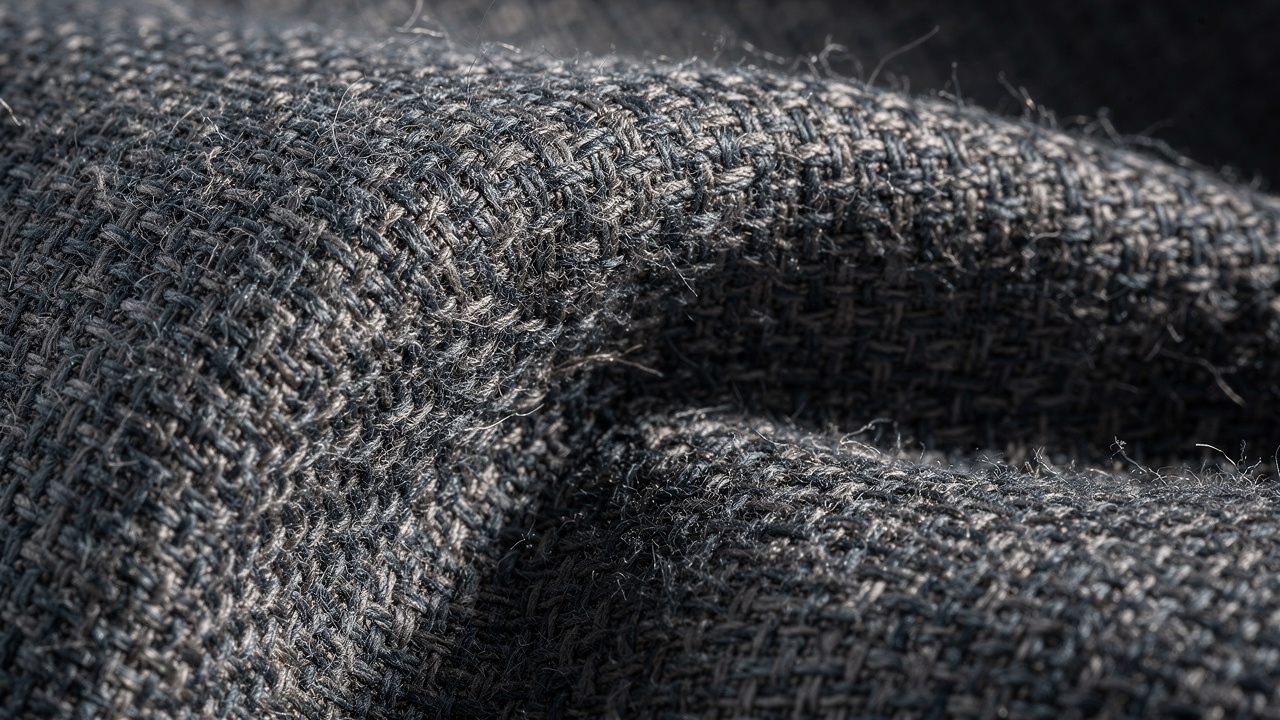
Acoustic fabric is a breathable textile that absorbs and spreads sound energy so rooms sound clearer and less harsh. The material is designed with the right porosity and thickness so sound waves can enter the fabric and lose energy instead of bouncing straight back. Put simply, acoustic fabric improves interior sound quality by turning unwanted reflections into gentle, controlled sound.
Unlike standard upholstery or curtain material, acoustic fabric is tested for how well it deals with sound, and a comparative study of virgin and recycled polypropylene composites highlights how fiber type directly influences acoustic and mechanical performance in textile applications. The fibers and weave leave tiny air gaps so sound passes through and reaches the soft backing behind, such as fiberglass or rockwool. Inside this layered system, friction between air, fibers, and pores converts some sound energy into a tiny amount of heat, which human ears do not notice.
Acoustic performance is often described with the Noise Reduction Coefficient (NRC). An NRC of 0 means full reflection, while 1 means nearly full absorption. According to ASTM International, NRC is based on absorption measured at four key frequencies using the ASTM C423 method, which gives designers a simple single number for comparison. For most fabric-wrapped panels, NRC values between about 0.65 and 0.95 give strong control of mid and high frequency reflections.
The UAE building style makes this even more important. Apartments in Downtown Dubai, villas in Arabian Ranches, and offices in DIFC often share one trait: large areas of glass, tile, and painted concrete that reflect sound very strongly. When you add acoustic fabric on walls, ceilings, or frames, you introduce soft, absorbent areas that break the reflection cycle and calm the room.
Waseem Technical uses acoustic fabrics made from 100 percent Taslanized Polypropylene and 100 percent Polyester for this reason. These fibers stay stable in hot, air-conditioned interiors and keep their acoustic performance over many years of use.
How Does Acoustic Fabric Improve Interior Sound Quality?
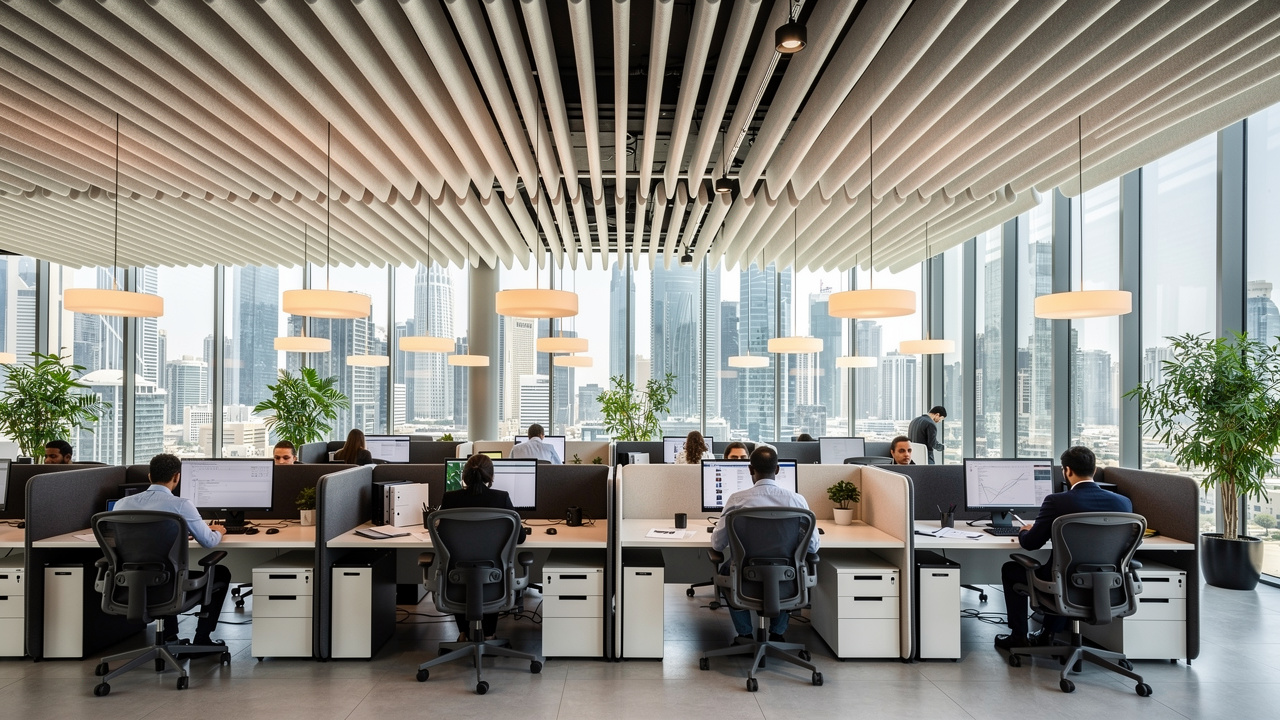
Acoustic fabric improves interior sound quality by reducing reverberation, stopping flutter echo, lowering background noise, and making speech easier to follow. When fabric-wrapped panels sit at the right points on walls and ceilings, they catch sound early so it cannot build into a noisy blur. This is especially helpful in UAE rooms full of hard finishes.
One major gain is shorter reverberation time (RT). In many bare rooms with marble flooring and glass, RT can sit between two and four seconds, so every word smears into the next. Guidance from CIBSE notes that most occupied rooms feel comfortable with RT between about 0.4 and 0.8 seconds. Adding acoustic fabric panels, baffles, or a stretch fabric wall system helps real rooms move toward that range.
Another issue is flutter echo, where sound bounces rapidly between two parallel walls. Hanging acoustic fabric panels or floor-to-ceiling curtains on at least one wall breaks this path. The fabric absorbs much of the sound and scatters the rest, so claps, footsteps, and voices stop ringing.
Background noise in open-plan offices and busy restaurants is also a serious problem, and studies on improvement of sound-absorbing dips in nonwoven fabric sheets demonstrate how layered textile systems can meaningfully reduce noise across challenging acoustic environments. Research from the Center for the Built Environment at UC Berkeley shows that noise is one of the most frequent complaints among office workers. When ceilings, partitions, and even some furniture surfaces use acoustic fabric, they soak up part of that chatter and lower the overall noise floor. According to OSHA, a drop of around 10 decibels is heard by many people as roughly half the loudness.
“Noise is an underestimated threat that can cause a number of short and long term health problems.” — World Health Organization
All of this directly improves speech clarity. In boardrooms, classrooms, and clinics, people need to hear each other without straining, and research into the thermo-acoustic attenuation behaviour of rib-knitted fibrous screens shows how engineered textiles can be tuned to target specific frequency ranges where human speech occurs. When acoustic fabric panels sit at the main reflection points around listeners, words stay clear and sound systems perform closer to their design level. This is where Waseem Technical often starts, measuring current reverberation and then placing fabric systems where they will have the strongest impact.
Where Can Acoustic Fabric Be Applied In UAE Homes And Commercial Spaces?
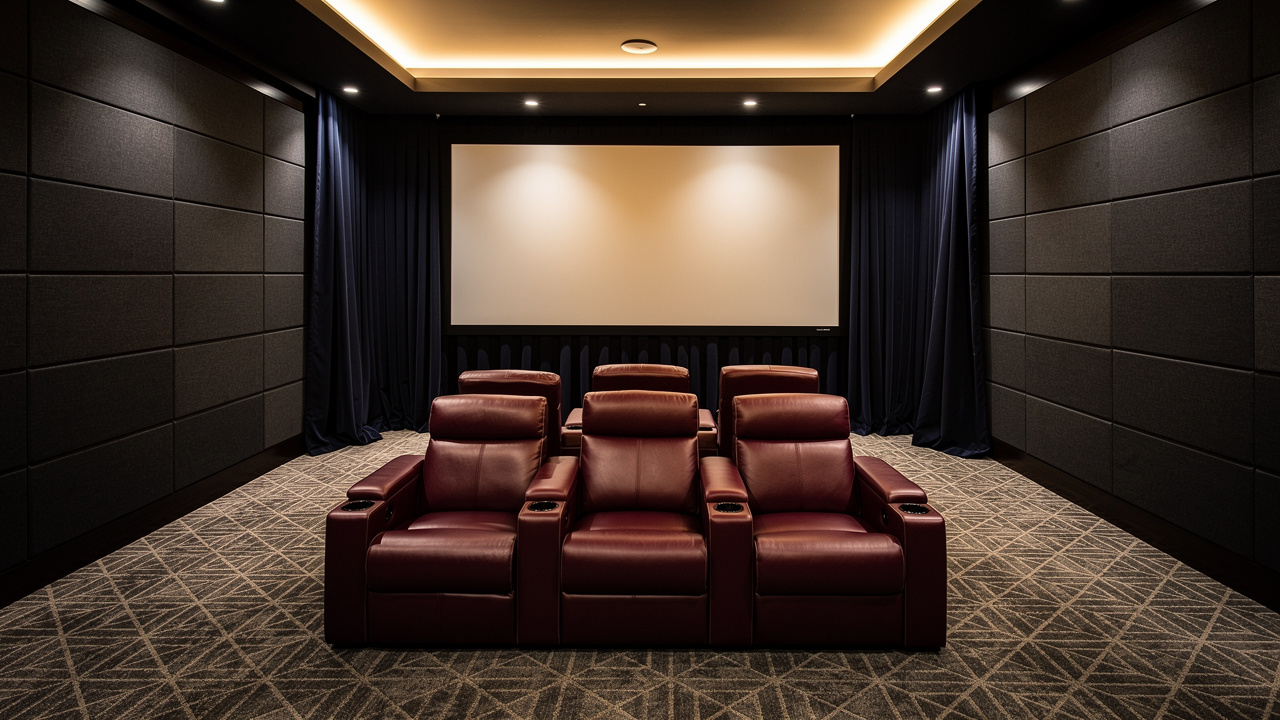
Acoustic fabric improves interior sound quality across many UAE spaces, from small apartments to large hotel lobbies and mosques. The material is flexible: it can appear as wall panels, ceilings, curtains, or movable partitions. The same basic approach works for villas in Abu Dhabi, offices in Dubai Media City, and schools in Sharjah.
In luxury apartments and villas, common issues include echo in double-height living rooms, noisy stairwells, and sound leaking between family areas and bedrooms. Fabric-wrapped panels on shared walls, upholstered headboards behind beds, and stretch fabric ceilings in living spaces cut echo without major building work. Waseem Technical often applies this in city apartments and home cinema rooms so sound quality matches high-end audio and video systems.
Home theaters and gaming rooms benefit even more. Wide screens, hard side walls, and subwoofers can easily overwhelm a small room. Lining the side and rear walls with acoustic fabric panels and using thick acoustic curtains over doors and windows reduces reflections and room boom, helping surround sound formats from Dolby and DTS play closer to how studio engineers intended.
Commercial spaces across the Emirates show similar patterns. Open-plan offices in DIFC, Dubai Internet City, and ADGM often suffer from constant phone calls and cross talk. Acoustic fabric partitions between desks, ceiling baffles above busy zones, and wall panels in meeting rooms lower noise and help staff concentrate.
“Noise consistently ranks as one of the most frequent complaints in office environments.” — Center for the Built Environment, University of California, Berkeley
Hospitality and education need the same care. Guest studies from J.D. Power show that noise sits within the top group of hotel complaints. Acoustic fabric on ceilings, along banquette seating, and around live music areas helps restaurants and hotels across Dubai Marina and Saadiyat Island feel lively without becoming tiring. In schools and universities, acoustic fabric panels and curtains help classrooms reach the reverberation targets in guidance such as the UK Department for Education BB93 document, supporting better learning and concentration.
How To Choose The Right Acoustic Fabric For Your Space
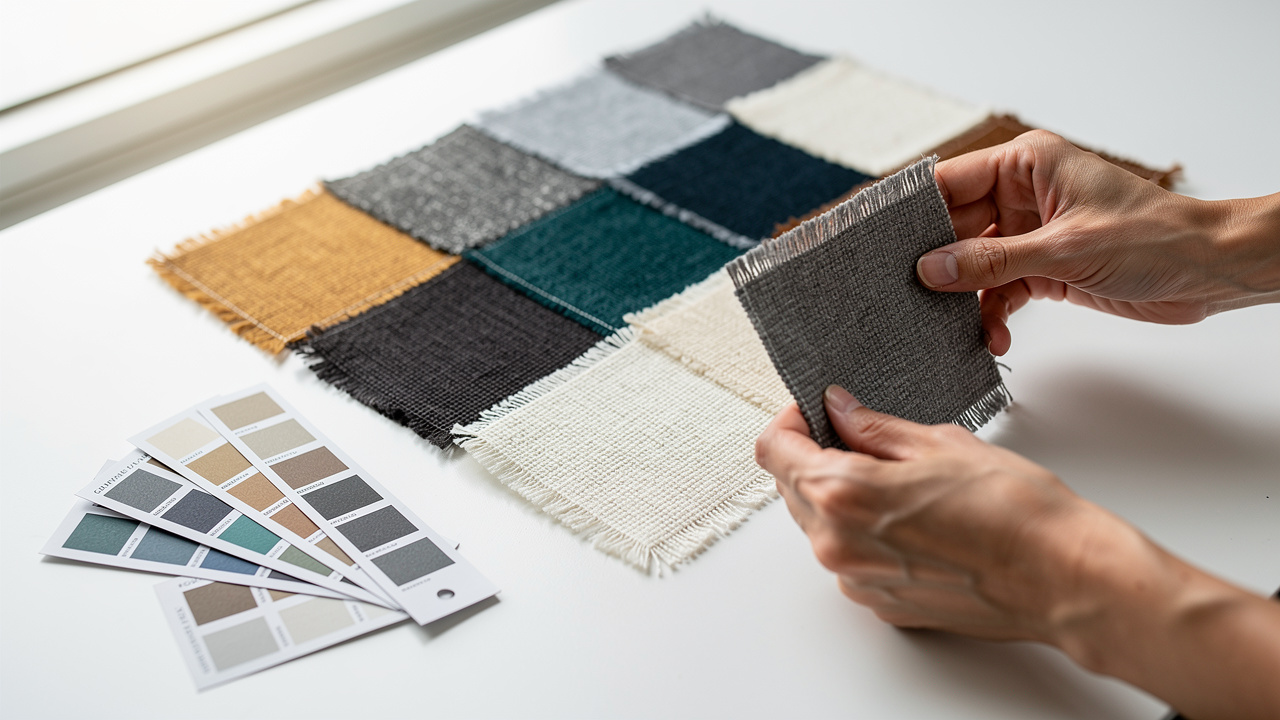
Choosing the right acoustic fabric comes down to four checks: performance, breathability, durability, and look. When these line up, acoustic fabric improves interior sound quality without clashing with your interior. Waseem Technical follows the same checklist during each site visit and free acoustic assessment.
Check the NRC rating of the full panel. For offices, classrooms, and restaurants, an NRC of roughly 0.65 or higher gives good control of echo. Rooms with lots of glass and stone, or uses such as studios and cinemas, often need panels closer to 0.90 NRC on side and rear walls.
Make sure the fabric is acoustically transparent. Air, and therefore sound, should pass easily through the weave. A quick test is to hold the fabric to your mouth and blow; if air moves freely, the backing material can do most of the absorption work. Waseem Technical selects 100 percent Taslanized Polypropylene and 100 percent Polyester fabrics that stay breathable and stable, a choice backed by a comparative analysis of denim fabric performances from cotton and polyester blended yarns, confirming that polyester-based constructions deliver reliable mechanical and acoustic properties.
Confirm durability and fire performance. Textile guidance from Martindale notes that commercial seating fabrics with rub counts above 50,000 handle heavy use well. Waseem Technical’s acoustic fabrics reach over 50,000 Martindale cycles and can be supplied with BS 5852 fire performance on request, which suits hotels, schools, and healthcare projects.
Match the fabric to the room style. Different color families, textures, and the Stretch Fabric Acoustical Wall Track System from Waseem Technical allow neat, frameless finishes for modern villas and Grade A offices. Installers tension the fabric cleanly across large areas, hiding the acoustic core while matching nearby finishes.
Here is a compact overview of what to look for:
| Factor | Meaning | Good Choice For UAE Projects |
|---|---|---|
| NRC rating | How much sound the full panel absorbs | Around 0.65–0.95, depending on room use |
| Acoustic transparency | How easily sound passes through the fabric | Breathable weave, easy to blow air through |
| Durability and safety | How well the fabric handles use and fire tests | 50,000+ Martindale cycles, BS 5852 where needed |
| Aesthetic fit | How the fabric matches the room design | Wide color range, clean stretch wall or panel system |
Because every space has its own size, surfaces, and noise sources, there is no single fabric that suits every job. This is why Waseem Technical starts with measurements and a site report, then recommends fabric types, panel thicknesses, and layouts that match how each room is actually used.
Lõpetuseks (Wrapping Up)
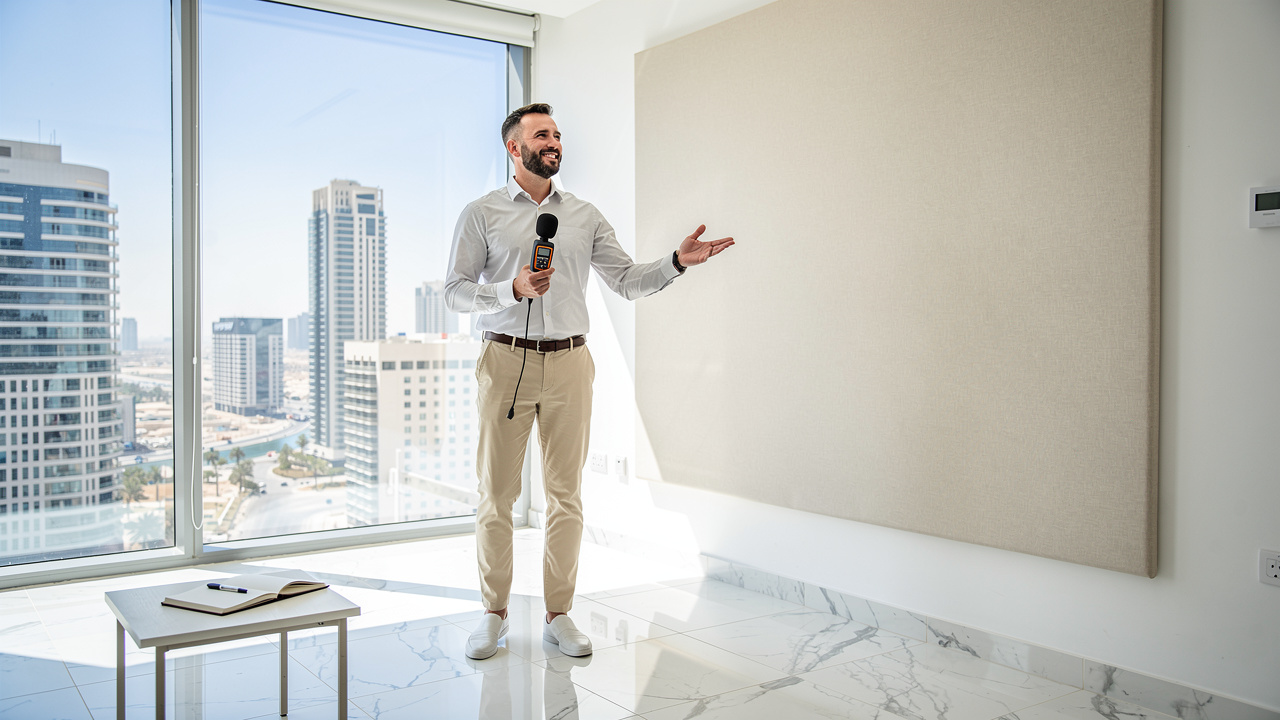
UAE interiors filled with glass, polished tile, and concrete often sound much harsher than they look, yet they do not need messy structural work. When acoustic fabric improves interior sound quality, the same rooms keep their design while losing the echo, ring, and constant noise. You get calmer living rooms, clearer meeting spaces, and restaurants where conversations feel relaxed instead of strained.
Across homes, offices, schools, mosques, and hotels, acoustic fabric systems from Waseem Technical lower reverberation, sharpen speech, and add a soft visual layer that suits modern interiors.
If you are ready to hear how your space could sound, contact Waseem Technical for a free acoustic check and site report. Call +971 50 209 7517 or visit Waseem Technical to schedule a visit anywhere in the UAE or wider GCC.
Frequently Asked Questions
Question: Is acoustic fabric the same as soundproofing material?
Acoustic fabric is different from full soundproofing, because it mainly absorbs sound inside a room instead of blocking sound between rooms. It improves clarity and comfort, while soundproof walls, floors, and windows reduce transmission. Waseem Technical often combines acoustic fabric treatments with extra sound blocking where needed.
Question: How much of a room’s surface area needs to be covered with acoustic fabric to see results?
Covering even around one fifth of the wall area with effective acoustic fabric panels usually gives a clear drop in echo. Best coverage depends on room size, ceiling height, and how reflective the current finishes are. Waseem Technical checks all of this during the free acoustic check and then suggests the right panel layout.
Question: Can acoustic fabric be used in outdoor or semi-outdoor spaces in the UAE?
Yes, acoustic fabric can help in shaded terraces, covered courtyards, and semi-enclosed pool decks, but product choice must be more careful. Fabrics need to handle UV light, dust, humidity, and temperature swings. Waseem Technical’s consultants review each outdoor or semi-outdoor space and specify suitable weather-resistant acoustic systems.
Question: How long does acoustic fabric last in Dubai’s climate?
With proper selection and care, acoustic fabric lasts many years in Dubai interiors. Waseem Technical uses 100 percent Taslanized Polypropylene and Polyester fabrics with over 50,000 Martindale cycles, designed for heavy use. Periodic professional cleaning keeps panels looking fresh and helps maintain their acoustic performance over time.
Question: Does Waseem Technical supply acoustic fabric for large commercial projects outside Dubai?
Yes, Waseem Technical supports large commercial and institutional projects across all Emirates, including Abu Dhabi, Sharjah, Ajman, and Ras Al Khaimah. The company also serves Saudi Arabia, Qatar, Kuwait, Oman, and Bahrain, giving contractors and developers consistent acoustic fabric specifications and technical support across GCC sites.