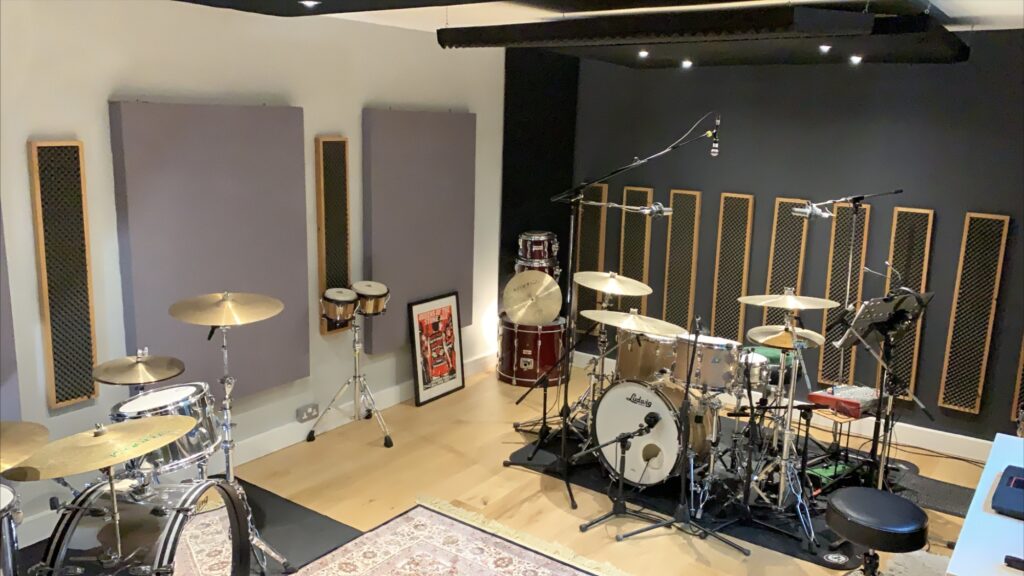

Acoustic problems in open offices, cafés, gyms, and warehouses rarely fix themselves. Echo, harsh reflections, and a rising noise floor can turn even a beautiful space into a tiring one.
Acoustic ceiling baffles give a straightforward way to calm that noise while keeping the open layout people enjoy. These hanging panels absorb sound from several directions, so they cut echo far better than wall panels alone.
This guide explains what acoustic ceiling baffles are, why open spaces in the UAE are often so noisy, and how the right design improves daily comfort. You will also see how Waseem Technical handles design, installation, and aftercare across the UAE and GCC.
If your space looks impressive but sounds harsh, keep reading for a fast, practical overview.
Article At a Glance
This section gives a quick summary of why acoustic ceiling baffles fit open spaces and what this guide covers. It helps you decide fast whether baffles make sense for your office, restaurant, or industrial floor.
Key Takeaways
These points link common noise problems to clear benefits, so you can read the rest with a plan in mind.
Open spaces with hard materials, glass, and high ceilings reflect sound in many directions, turning a few conversations or machines into a tiring background roar.
Acoustic ceiling baffles absorb sound from several angles because both faces of each panel work at the same time, giving more control per square meter than wall panels alone.
Baffles calm noise while keeping layouts open and airy; designers can pick colors, shapes, and layouts that either stand out or blend into the ceiling.
The spaces that gain most include open-plan offices, co-working hubs, cafés, gyms, industrial sites, schools, and healthcare buildings where speech clarity and comfort matter.
Waseem Technical delivers end-to-end acoustic work from free checks to full installation across all Emirates and GCC countries, using PET, fiberglass, foam, and wood wool baffles with clear reporting.
What Are Acoustic Ceiling Baffles and How Do They Work?
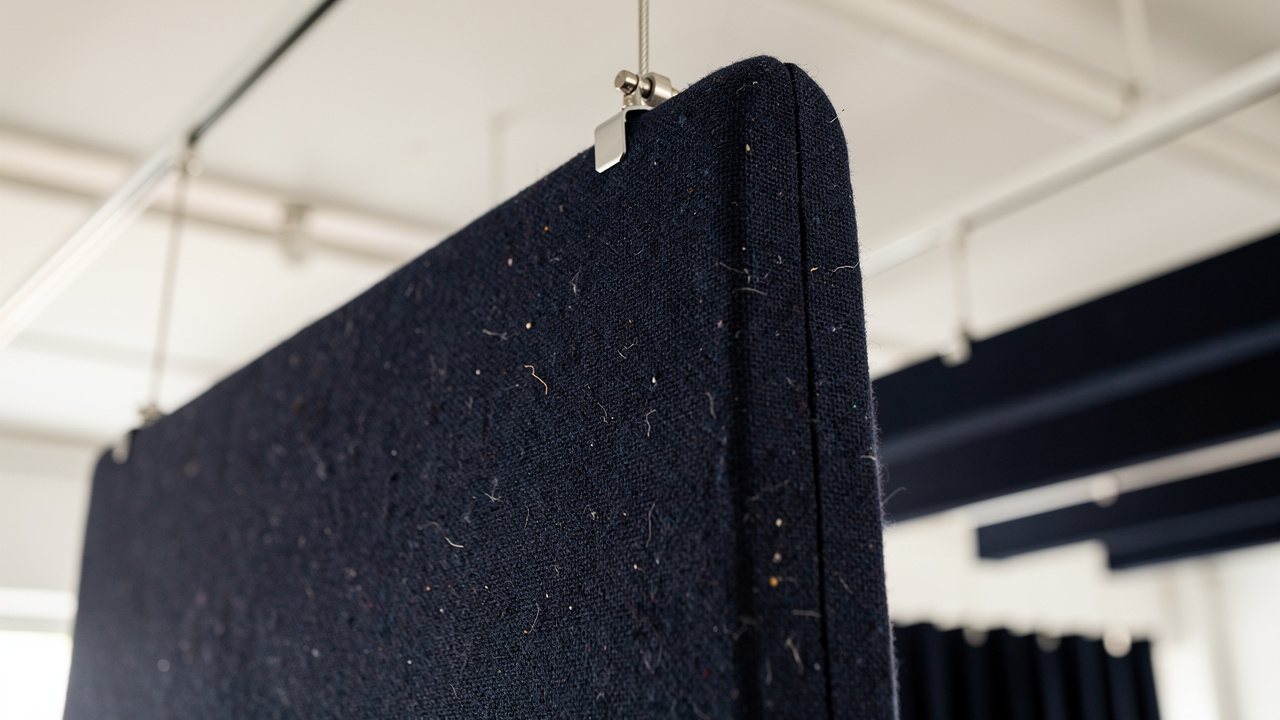
What acoustic ceiling baffles are and how they work comes down to one idea: they hang in open air and soak up sound from several directions. That gives strong sound absorption without closing off the room or changing the layout.
An acoustic baffle is a long panel that hangs vertically (or sometimes horizontally) from wires or frames under the slab. Because it does not sit flat against a wall, sound can hit it from both sides, bounce between rows, and lose energy each time. Waseem Technical typically uses baffles with a Noise Reduction Coefficient (NRC) between 0.75 and 0.80, which means they absorb roughly three-quarters of the sound that reaches them.
The core materials are usually fabric-wrapped foam, fiberglass, polyester fiber (PET), or wood wool chosen for their porous structure. As sound waves enter this structure, tiny air pockets and fibers turn the movement of air into a small amount of heat through friction, removing energy from the sound that would otherwise echo around the room.
Two key metrics describe how well a treated space responds. The first is the NRC of the panels. The second is reverberation time, often called RT60, which is how long sound takes to fade by 60 decibels. Standards such as ANSI S12.60 from the American National Standards Institute suggest classroom reverberation times around 0.6 seconds for clear speech.
In high rooms with concrete slabs and glass walls, empty air near the ceiling acts like a giant echo chamber. By hanging rows of acoustic ceiling baffles inside that volume, Waseem Technical turns wasted ceiling height into a working acoustic surface and pulls reverberation down toward target values without touching the walls or changing furniture.
Why Open Spaces Are Acoustically Challenging

Open spaces are acoustically challenging because sound reflects many times before it fades. These reflections build up into long reverberation that makes speech less clear and noise more tiring.
Many buildings in Dubai, Abu Dhabi, and Sharjah use open floor plans with polished stone or tile, glass partitions, and exposed ceilings, all of which reflect sound. When conversations and machines run at the same time, reflections overlap until the room feels loud even when nobody is shouting.
In noisy rooms, people raise their voices so others can understand them, a pattern known as the Lombard effect. Guidance from the World Health Organization notes that long exposure to such noise increases stress levels and can affect heart health over time.
For workers, poor acoustics mean lower concentration, more mistakes, and fatigue. Research on open offices from the Nielsen Norman Group links uncontrolled noise to lower productivity and satisfaction, and in hospitality it can shorten visits or lead to negative reviews.
Industrial floors and warehouses face another risk. Moving forklifts, alarms, and machinery must be heard clearly for safe operation, yet reverberation can hide warning sounds. Noise control is part of occupational safety guidance from bodies such as OSHA.
If you can hear your own voice ringing after you stop speaking, the room is asking for acoustic treatment.
— Waseem Technical
Key Benefits of Acoustic Ceiling Baffles for Open Spaces

Key benefits of acoustic ceiling baffles for open spaces include strong sound absorption, a preserved open feel, and flexible design choices. These advantages speak directly to the problems found in offices, restaurants, gyms, and industrial halls.
Because both faces of each baffle absorb sound, the total active surface area is high even with modest coverage. In an open-plan office, this means fewer panels can produce a clear drop in reverberation and background noise, so people do not need to shout across desks and video calls sound more natural.
Baffles sit above the activity, not beside it. They hang from the existing ceiling grid or structure, so they do not block views, walkways, sprinklers, or HVAC ducts, and property teams can add acoustic control after handover with limited disruption.
Modern baffles also support appearance and sustainability goals. PET polyester fiber panels, widely used by Waseem Technical, are made from up to 60% recycled content. According to the World Green Building Council, design choices that improve comfort, including acoustics, link directly to better user satisfaction and long-term building value, a finding echoed by eco-efficiency analysis on assessing the eco-efficiency of high recycled content building solutions across mechanical and environmental performance dimensions.
The table below gives a quick view of how these benefits play out.
| Benefit Type | What It Does | Typical Impact In Open Spaces |
|---|---|---|
| Sound Absorption | Reduces echo and overlapping speech | Clearer meetings and calmer customer areas |
| Open Feel | Keeps layouts free of new walls | Simple way to treat noise after fit-out |
| Design Flexibility | Matches brand colors and shapes | Acoustic treatment that looks intentional |
Which Spaces Benefit Most from Ceiling Baffles?
Which spaces benefit most from ceiling baffles are those with high ceilings, hard finishes, and many people or machines. If sound seems to hang in the air after every word, baffles are likely to help.
Open-plan corporate offices and co-working hubs in Dubai, Abu Dhabi, and Sharjah gain quieter desk areas and clearer meeting corners, so staff can focus without constant distraction.
Restaurants, cafés, and hotel lobbies with glass and stone finishes see a drop in clatter and echo, making it easier for guests to talk without leaning across the table.
Warehouses, factories, and sports halls use baffles in the unused air above head height to cut echo, so public address messages, coaching instructions, and alarms are easier to hear.
Schools, universities, and training centers need clear speech, and ceiling baffles help classrooms and halls meet reverberation targets from groups like the Acoustical Society of America.
Clinics, hospitals, and other healthcare facilities use acoustic treatment to protect speech privacy and keep waiting areas and corridors calm without losing floor space.
How Waseem Technical Installs Acoustic Ceiling Baffles Across the UAE
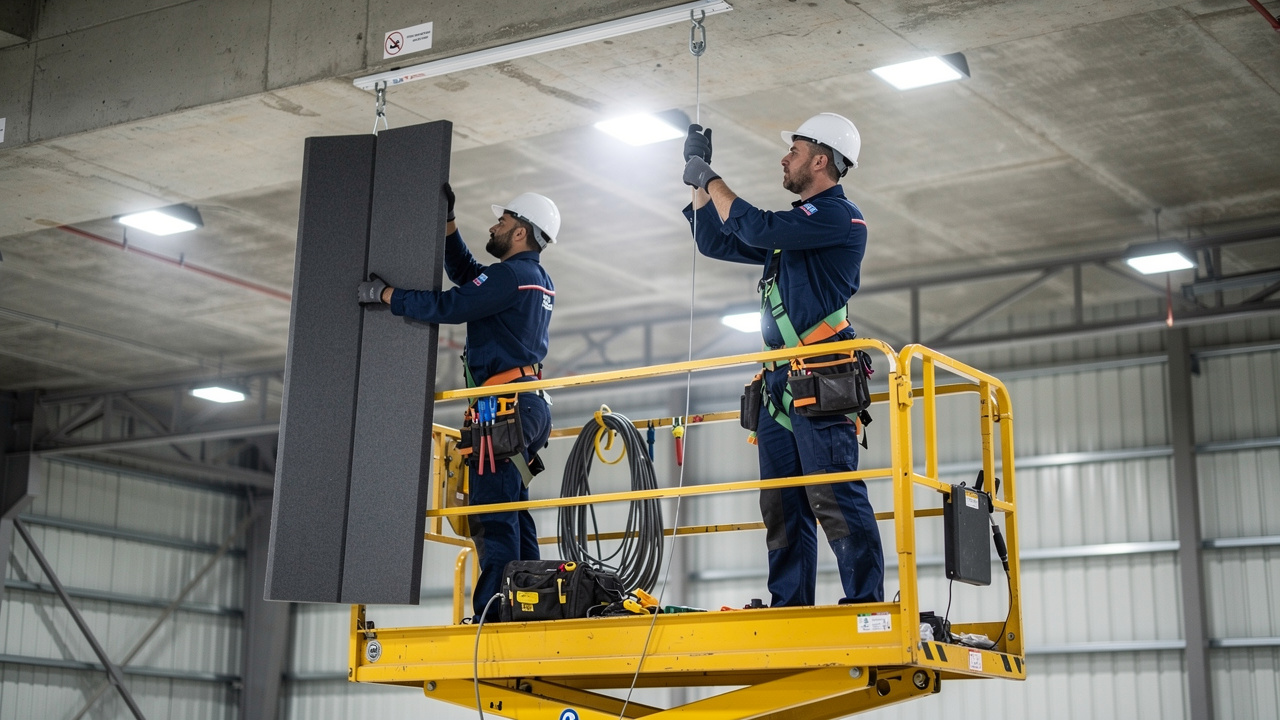
Waseem Technical installs acoustic ceiling baffles across the UAE with a clear, step-by-step method from first inspection to final testing. This keeps projects safe, fast, and aligned with local building rules.
Waseem Technical has focused on soundproofing and acoustics since 2012, with more than 13 years of experience on projects across the UAE, wider GCC, and Africa. The team does not handle general maintenance work, so every visit stays focused on acoustic results.
Most projects start with a free acoustic check and consultation. A specialist visits the site, listens to the problem, records key dimensions and finishes, and then prepares a short report on current reverberation and the main areas that need treatment.
From there, Waseem Technical guides material and layout choices. Options include fabric-wrapped foam, fiberglass for mid- to high-frequency control, wood wool for a natural look, and PET polyester fiber made from about 60% recycled content, all paired with the fire ratings required by Dubai and Abu Dhabi Civil Defence.
Installation is planned around existing services, with suspension systems fixed to the structural slab or steel at safe loads and clear distances from sprinklers, HVAC ducts, and lighting. According to OSHA, workers exposed to sound levels of 85 decibels over an eight-hour shift face a risk of long-term hearing damage, so noisy industrial zones are a priority.
Step by step, a typical project looks like this.
Acoustic Check And Site Survey – The team records how the space behaves and where users feel the most disturbance, walking the site with the client and noting any access or finish constraints.
Design And Layout Planning – Designers set how many acoustic ceiling baffles are needed and how they hang, with close rows over noisy zones and feature areas over receptions where helpful.
Professional Installation – Trained technicians align wires and brackets in straight rows, check panel heights, and where needed work outside peak trading hours so offices, restaurants, or factories keep running.
Post-Installation Support – Support includes walkthroughs, minor adjustments, cleaning advice, and documentation on materials, NRC ratings, fire behavior, and any agreed maintenance plan.
On every project we aim for the maximum acoustic improvement with the minimum visual disruption.
— Waseem Technical
For new and existing projects, clients can contact Waseem Technical on +971 50 209 7517 to arrange a free visit and quote.
Wrapping Up
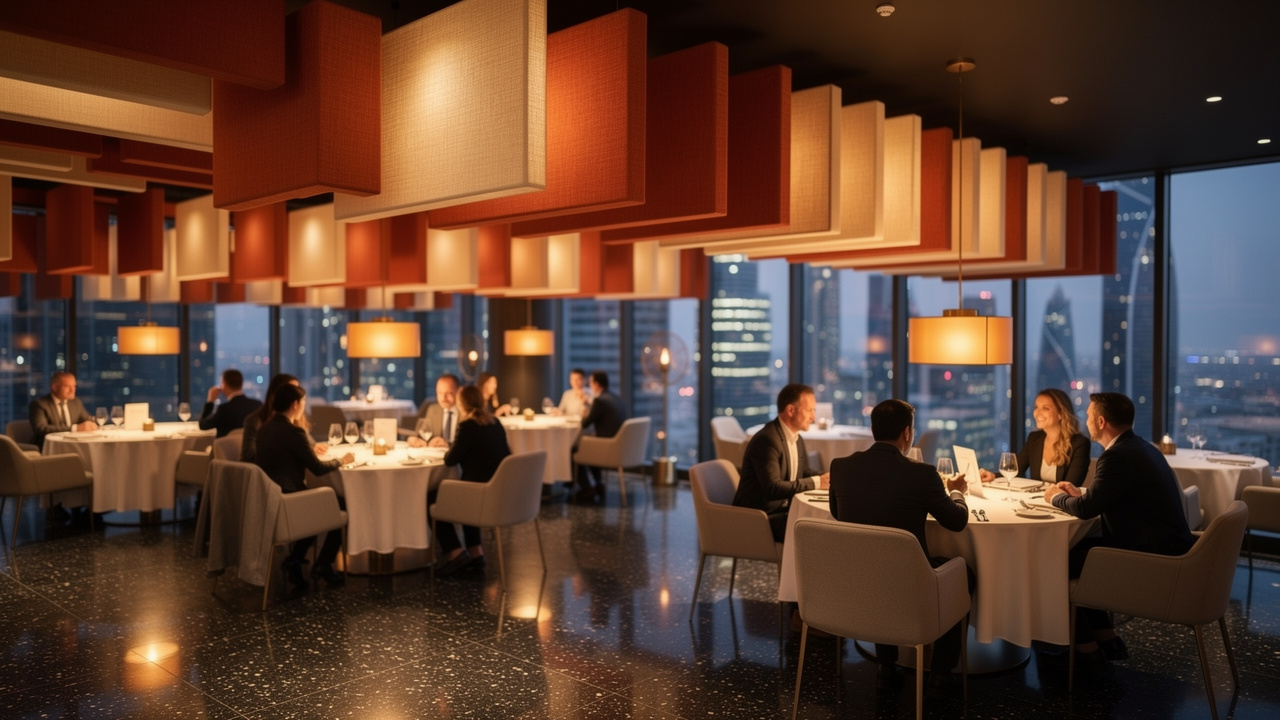
Acoustic ceiling baffles are a smart way to calm open spaces without adding walls or partitions. They turn noisy, echo-heavy rooms into places where speech is clear, meetings feel relaxed, and safety messages carry properly.
Because baffles hang from the ceiling and absorb sound from several directions, they suit everything from co-working hubs in Business Bay to warehouses in Jebel Ali and hotels on the Corniche, with PET options that support sustainability targets.
For homeowners, property managers, and facility teams across the UAE and wider GCC, Waseem Technical offers a focused acoustic service rather than generic maintenance work. A free acoustic check and consultation can show exactly how many baffles you need and where.
Frequently Asked Questions
What Is the NRC Rating of Waseem Technical’s Acoustic Ceiling Baffles?
Waseem Technical acoustic ceiling baffles typically have an NRC between 0.75 and 0.80, so they absorb around 75–80% of the sound energy that hits them and give a clear drop in echo and background noise.
Are Acoustic Ceiling Baffles Suitable for Spaces With Existing HVAC and Lighting Systems?
Yes. Baffles are suspended on wires or frames that can be set between duct runs, light fittings, and sprinkler heads while respecting clearance rules, so they improve acoustics without blocking airflow, lighting levels, or safety systems.
What Materials Are Used in Acoustic Ceiling Baffles, and Which Is Best for My Space?
Waseem Technical baffles can use fabric-wrapped foam, fiberglass, wood wool, or PET polyester fiber. PET panels are light, impact resistant, and made from about 60% recycled material, while the best choice for your space depends on noise type, fire code needs, budget, and design style.
How Much Maintenance Do Acoustic Ceiling Baffles Require?
Once installed, acoustic ceiling baffles need only occasional dusting or light vacuuming, and high-quality panels in climate-controlled spaces hold their shape and color for many years.
Can Acoustic Ceiling Baffles Be Customized to Match a Specific Interior Design?
Yes. Waseem Technical offers many stock colors and can use CNC cutting to create custom forms, from simple fins to sculpted feature pieces, so baffles can either become a visible design feature or stay discreet while improving the sound.