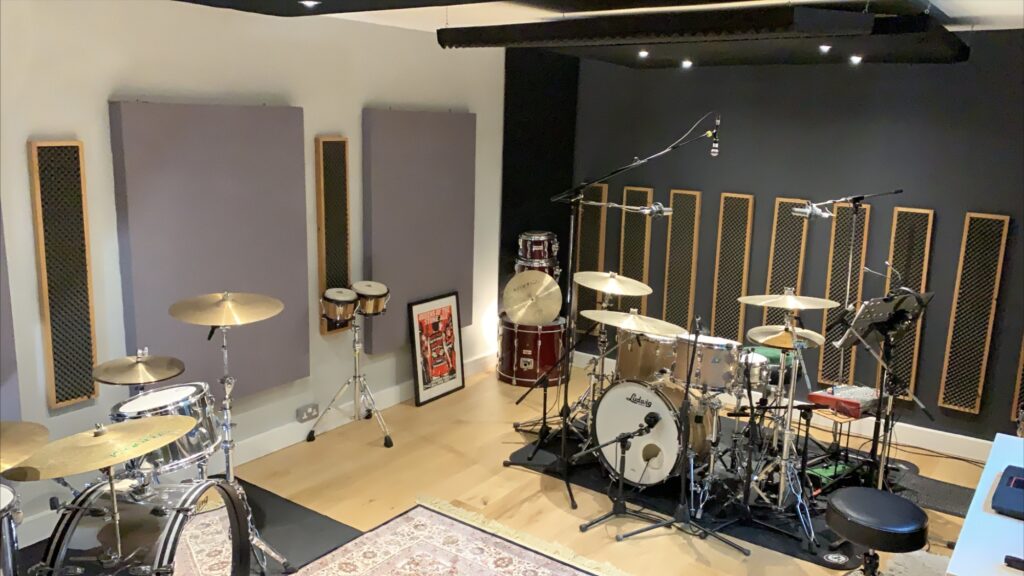
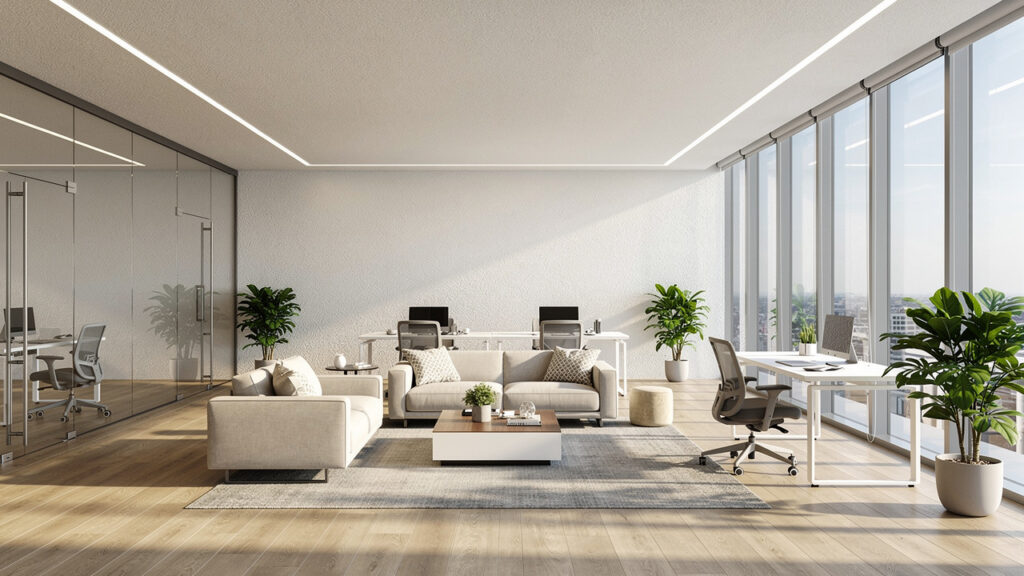
Hard echo, loud neighbors, and high AC bills are common in UAE homes and workplaces. Sonoglass Spray, an acoustic and thermal spray coating, helps turn those noisy, hot rooms into calm, comfortable spaces.
Many properties rely on bare concrete, glass, and metal, which bounce sound around and let heat flow inside. That combination creates stress, fatigue, and wasted energy, especially during long summer months.
Sonoglass Spray is a fiberglass acoustic and thermal coating that is sprayed directly onto ceilings and walls. It absorbs sound, reduces echo, and slows heat transfer in one seamless layer. In this guide, Waseem Technical explains what the system is, how it works, and where it fits best in UAE properties. Next, see how this one product can upgrade comfort in real rooms.
Key Takeaways
These quick points summarize what this spray system offers and why it suits UAE homes, workplaces, and industrial sites.
Sonoglass Spray absorbs about 80% of sound, with an NRC of 0.8. That level cuts harsh echo in open offices, restaurants, halls, and home cinemas.
One treatment improves both acoustics and temperature comfort, thanks to a thermal resistance of R 3.733 per inch. Less heat entering means lighter AC loads and more stable indoor temperatures.
The material holds an ASTM E 84 Class A fire rating and can go over existing solid surfaces. That combination suits homes, hotels, schools, factories, and studios that need safe, retrofit‑friendly upgrades.
“Good acoustics are not a luxury; they are part of basic comfort.” — Common guidance from professional acousticians
What Is Sonoglass Spray and How Does It Work?
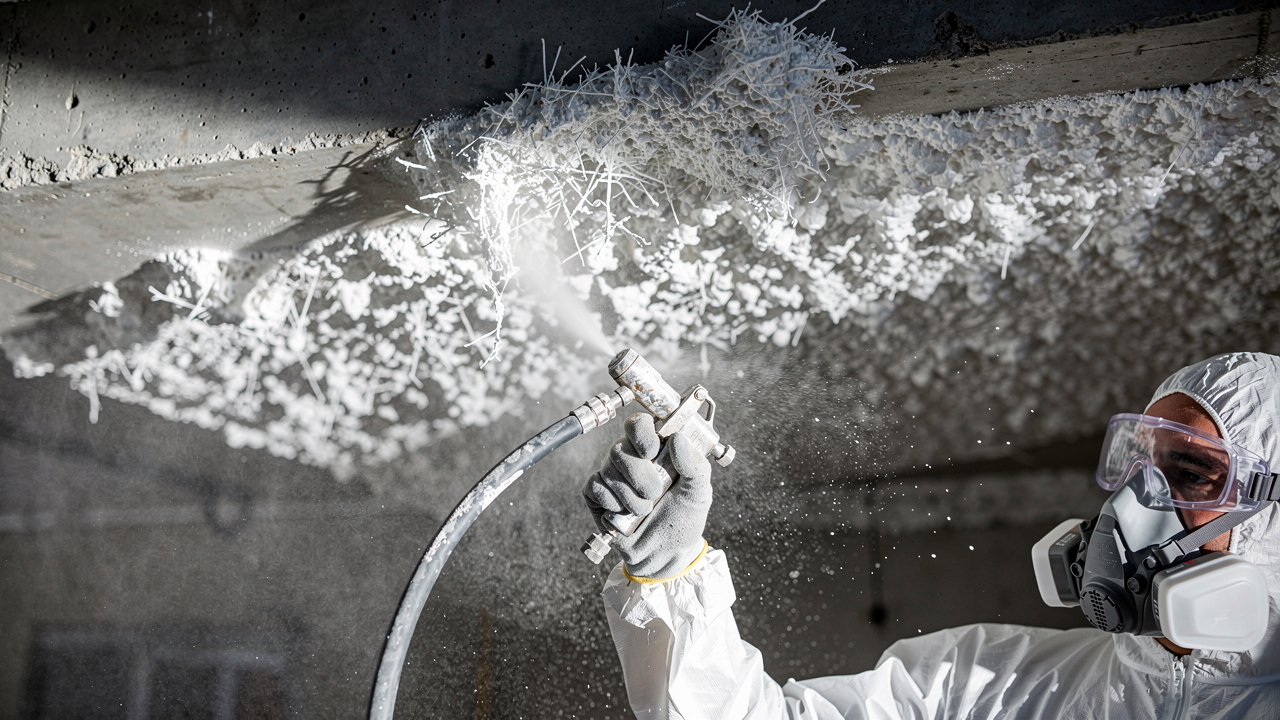
Sonoglass Spray is a fiberglass acoustic and thermal spray coating that bonds directly to ceilings and walls. This spray-on system turns hard, echo-prone surfaces into a soft, sound-absorbing skin. Installers use an airless pump to project the fibers onto the surface. The result is a continuous finish that follows curves, edges, and details of the architecture.
Instead of cutting and fixing boards, the installer prepares the substrate, masks items, and sprays the material in controlled passes. The fibers interlock as they land, creating a porous layer that traps sound waves and slows heat movement. After drying, the finish can look smooth or lightly textured depending on the nozzle, technique, and required thickness. The base color is white, and it can be tinted or over painted to match interior design schemes.
The material achieves a Noise Reduction Coefficient (NRC) of 0.8, so it absorbs about 80% of sound that hits it. Thermal resistance is R 3.733 per inch, and the product meets ASTM E 84 Class A fire performance, which suits strict UAE building codes. Recent guidance notes that at least one person in five in European cities lives with road traffic noise above safe limits, according to the World Health Organization, so controlling sound inside buildings makes a real difference to well-being and concentration.
How Sonoglass Spray Differs From Traditional Acoustic Panels
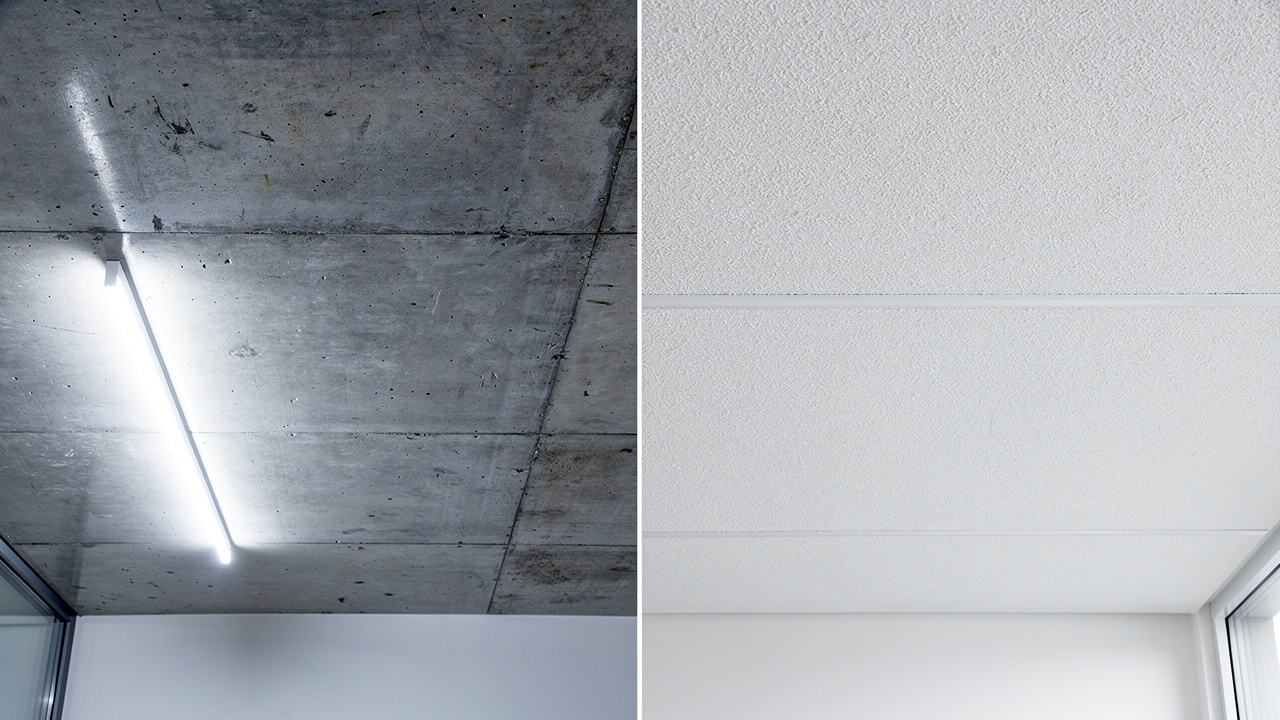
This spray-applied system differs from traditional acoustic panels because it forms one continuous, gap-free surface. Panel systems break the ceiling or wall into smaller pieces with joints that reflect sound. With the spray method, every part of the surface works together as a single absorber.
Conventional panels also project away from the surface and can look bulky. Sonoglass Spray follows the existing shape of the slab or wall, so it keeps ceiling heights as high as possible. Designers in Dubai, Abu Dhabi, and Riyadh like that it can hug curves, beams, and feature shapes that rigid boards cannot cover neatly. Because it adheres to drywall, concrete, wood, and metal, it suits both new buildings and older structures.
For many projects, the practical advantages over panels are clear:
No need for metal framing or suspension grids
Fewer gaps where sound can bounce or leak through
Faster coverage of large, irregular areas such as exposed ceilings
A clean, continuous look that blends into modern interiors
Key Technical Specifications and Performance Ratings
Key technical specifications for Sonoglass Spray show how it performs across sound, temperature, and fire safety. These ratings come from standardized laboratory tests, so architects and facility managers can compare it fairly with other materials. The table below summarizes the main numbers in a quick reference format. After that, we will look at what those values mean in real rooms.
| Specification | Detail |
|---|---|
| Noise Reduction Coefficient | 0.8 per ASTM C 423 |
| Proposed Thickness | 25 mm application thickness |
| Thermal Resistance | R 3.733 per inch |
| Fire Rating | ASTM E 84 Class A non combustible |
| Base Color | White, can be tinted or painted |
| Material Origin | North America |
An NRC of 0.8 means the spray absorbs roughly 80 percent of the sound energy that reaches the treated surface. In practice, that figure cuts harsh echo in open offices, restaurants, and school halls where hard concrete and glass surfaces dominate. Rooms feel calmer and speech becomes easier to understand, even when many people are talking at once — a benefit demonstrated by reverberation time calculations that show how absorption coefficients across surface materials directly affect speech clarity.
Thermal resistance of R 3.733 per inch helps slow heat moving through the ceiling slab or wall. When the sun beats down on roofs in Dubai or Sharjah, less heat reaches the interior space. That means AC systems work with a lighter load and can maintain target temperatures more steadily. Buildings already account for almost 30% of global final energy use, according to the International Energy Agency, so any improvement in insulation helps reduce strain on power grids.
Fire performance rounds out the safety picture. An ASTM E 84 Class A rating indicates very low flame spread and smoke development in standard tests, which aligns with UAE Civil Defense requirements for interior finishes in many commercial buildings. Because the fiberglass-based material is manufactured in North America, it follows strict quality controls and gives designers and operators confidence for demanding projects.
Tip: When comparing acoustic products, always check NRC, thickness, and fire rating together rather than looking at a single number in isolation.
Where Is Sonoglass Spray Used? Applications Across Property Types
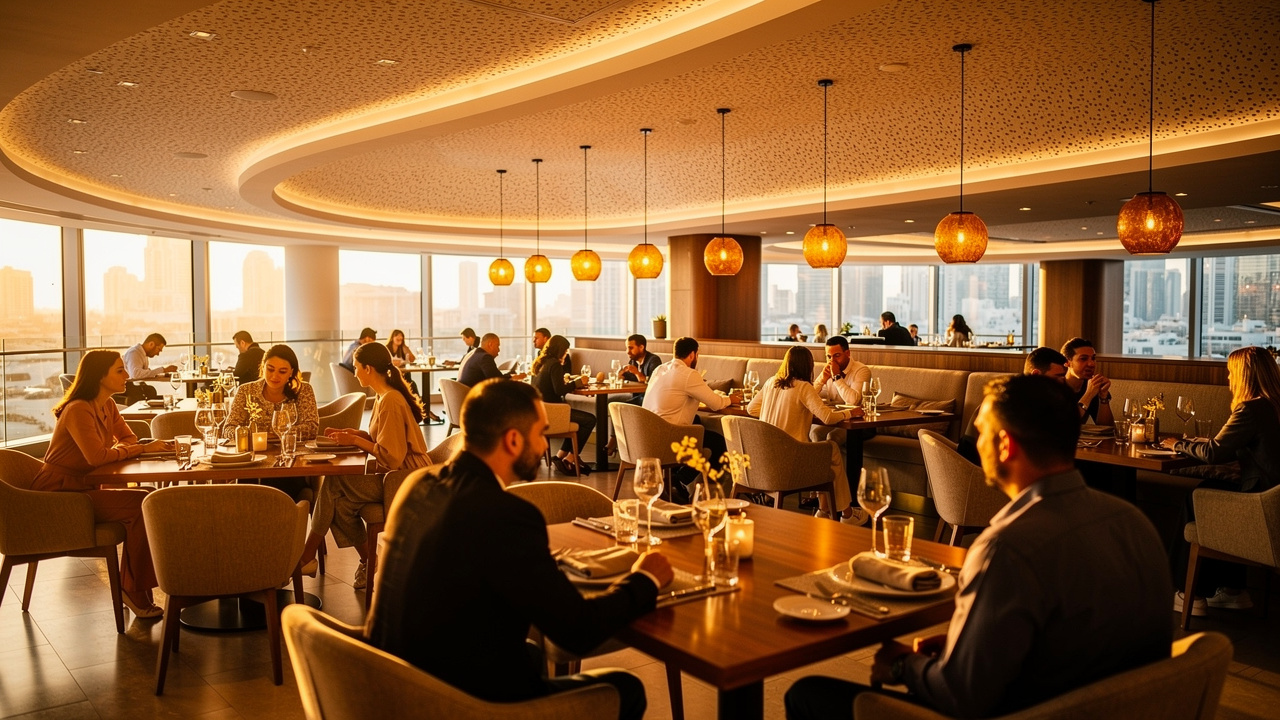
Sonoglass Spray finds use in many building types across the UAE and wider GCC, from villas and apartments to hotels, schools, and factories. Wherever echo, noise, or heat cause discomfort, this spray-on insulation can help. Because it adheres to concrete, drywall, metal, and wood, it suits both new projects and older buildings that need an upgrade.
Common commercial and public uses include:
Offices, co-working spaces, and call centers where open layouts amplify voices and phone calls
Hotels, resorts, and restaurants that want calm lobbies, corridors, and dining areas even at busy times
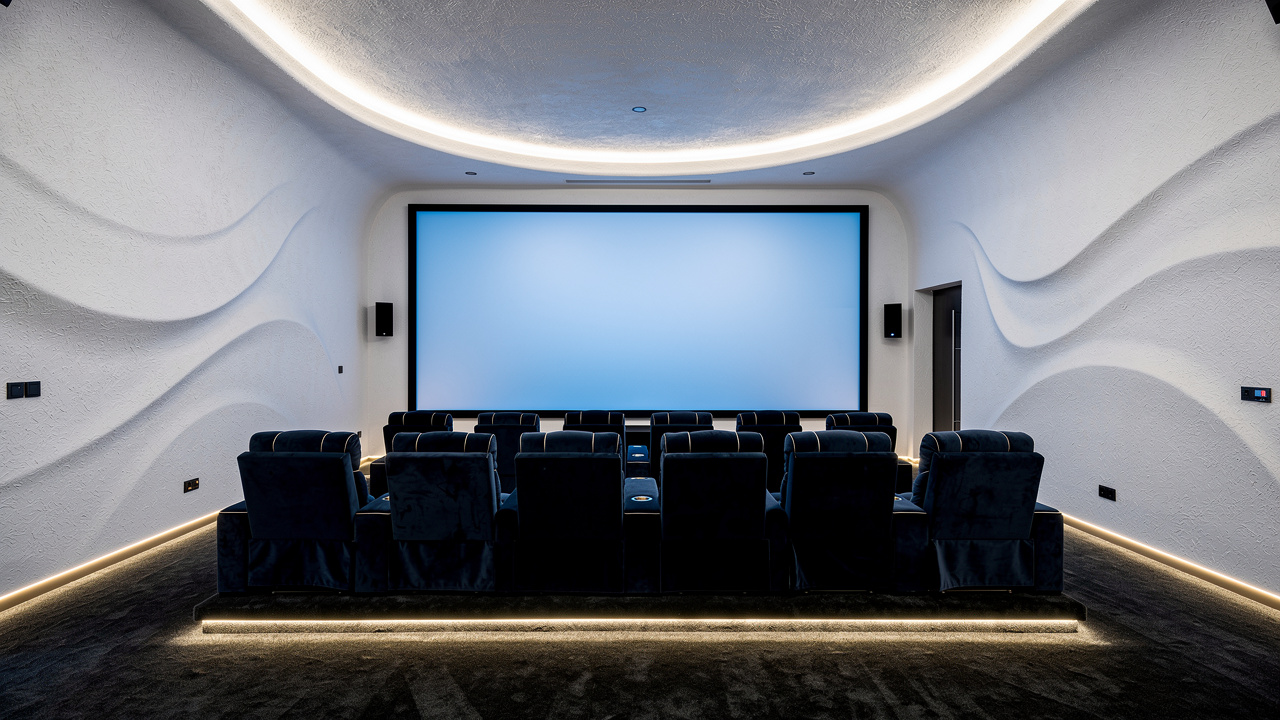
Cinemas, theaters, and multipurpose halls where clear speech and controlled reverberation are essential
Research from Nielsen Norman Group notes that noise is one of the most common complaints in open offices, which hurts focus and productivity. Spraying the ceiling with this acoustic layer reduces reverberation, so conversations stay more local and meeting rooms sound clearer.
Hotels, resorts, and restaurants use the spray to keep lobbies and dining areas comfortable even when they are busy. By absorbing clatter from dishes, footsteps, and voices, the treated surfaces help guests hear each other without raising their voices. Cinemas, theaters, and multipurpose halls also need controlled reverberation for music and speech, and a high NRC value supports that goal. Recording and podcast studios benefit too, since the spray reaches corners and soffits where panels would leave gaps.
In education, healthcare, housing, and industry, the same principles apply:
Schools, universities, and libraries across Sharjah, Riyadh, and Doha can apply the material to improve speech clarity in classrooms and lecture halls.
Hospitals and clinics gain quieter waiting rooms and better privacy in consultation spaces when ceilings absorb more sound.
In residential projects, villa owners often choose the spray for home cinemas, majlis areas, and bedrooms that face busy roads.
Industrial clients in warehouses and manufacturing plants rely on it to reduce machinery noise and control heat buildup near metal roofs.
Good acoustic control supports learning, recovery, rest, and safe communication, so the same spray layer can contribute to comfort and performance in very different settings.
Why Waseem Technical Is the Trusted Choice for Sonoglass Spray in the UAE
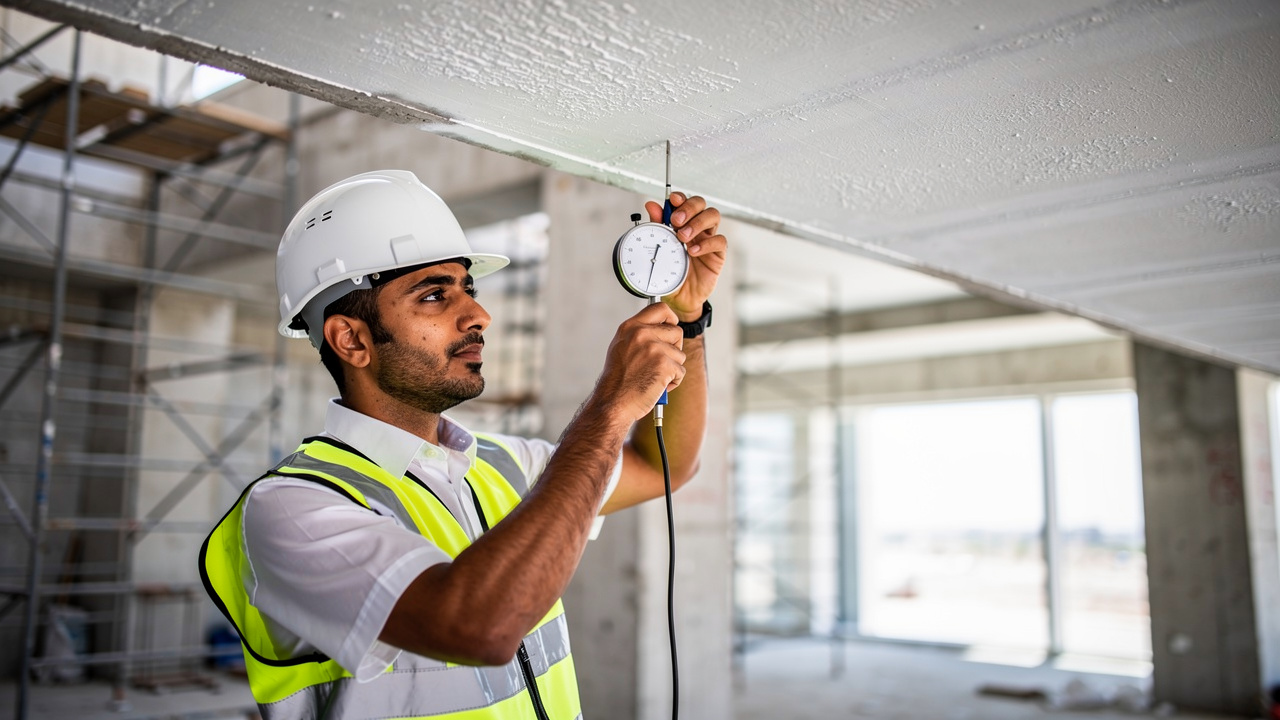
Waseem Technical focuses only on soundproofing and acoustics, which makes the company very different from general maintenance firms in the region. With more than thirteen years of experience, the team has completed projects in Dubai, Abu Dhabi, Sharjah, and every other emirate, as well as Saudi Arabia, Qatar, Kuwait, and Bahrain. That regional reach gives their engineers a deep feel for local building methods, from tower slabs to villa blockwork.
To get the best out of Sonoglass Spray, correct design and careful installation matter as much as the product itself. Waseem Technical follows a clear, client-centered process on every project:
Initial assessment and Free Acoustic Check come first. An engineer reviews drawings or visits the site to measure room sizes, surface materials, and existing noise conditions. Clients then receive a short report explaining the findings and recommending spray thickness, coverage areas, and any supporting treatments.
During installation, trained technicians protect finishes, prepare surfaces, and apply the spray with calibrated equipment. Thickness is checked regularly while work progresses, so the final layer meets the designed acoustic performance. The team works in phases to keep disruption low in live offices, hotels, and homes.
After completion, supervisors walk the space with the client to confirm coverage and appearance. Any touch-ups or agreed texture changes are handled before handover. Waseem Technical also stays available for future expansions, such as new meeting rooms or additional studios.
“Treat acoustics as early as possible in the design, not as an afterthought.” — Common recommendation from building acoustics specialists
Because the company supplies and installs the system directly, there is a single point of responsibility from design advice through to final finish. Developers, hotel groups, and recording studio owners appreciate working with a specialist that speaks both technical language and day-to-day site language. That mix of expertise and service makes Waseem Technical a trusted partner for long-term acoustic comfort across the GCC.
Liptamine Summary (Conclusion)
The Bottom Line
Sonoglass Spray gives UAE properties a practical way to cut noise and heat in one step. The spray-on fiberglass layer provides seamless acoustic coverage, strong sound absorption, real thermal resistance, and Class A fire performance. Compared with panels and foam tiles, it hides within the architecture while still improving comfort for guests, staff, residents, and students.
Choosing the right installer matters just as much as choosing the material. Waseem Technical brings focused acoustic expertise, region-wide experience, and a structured process that protects both performance and appearance. To see what this system can do in your space, contact Waseem Technical or book a Free Acoustic Check for a customized acoustic plan.
Frequently Asked Questions
Can Sonoglass Spray Be Applied To Existing Buildings Without Major Renovation?
Yes, Sonoglass Spray suits existing buildings because it is sprayed directly over solid, dry surfaces. Installers work on exposed ceilings or walls without tearing off most finishes, so many projects avoid demolition, heavy dust, and long business shutdowns.
What NRC Rating Does Sonoglass Spray Achieve, and What Does That Mean?
Sonoglass Spray achieves an NRC rating of 0.8, which is high for a spray system. That number means it absorbs around 80 percent of the sound energy that hits it, reducing echo and reverberation in treated spaces and making speech clearer.
Is Sonoglass Spray Fire-Safe for Use in Commercial Buildings?
Yes, it is tested to ASTM E 84 with a Class A rating. That classification indicates low flame spread and smoke in standard tests, so the material meets UAE requirements for many commercial, hospitality, educational, and industrial interiors.
Does Sonoglass Spray Provide Thermal Insulation as Well as Acoustic Control?
Yes, it delivers thermal insulation along with noise control, with a resistance of R 3.733 per inch. Cooling already uses about 10 percent of global electricity, according to the International Energy Agency, so added insulation can reduce energy demand and support more stable indoor temperatures.
How Long Does a Sonoglass Spray Installation Take?
Most standard rooms or open office zones take about one to two days to spray and finish, depending on access and preparation. The quick curing formula lets areas reopen soon after work, which limits downtime for homes, restaurants, shops, and other spaces.