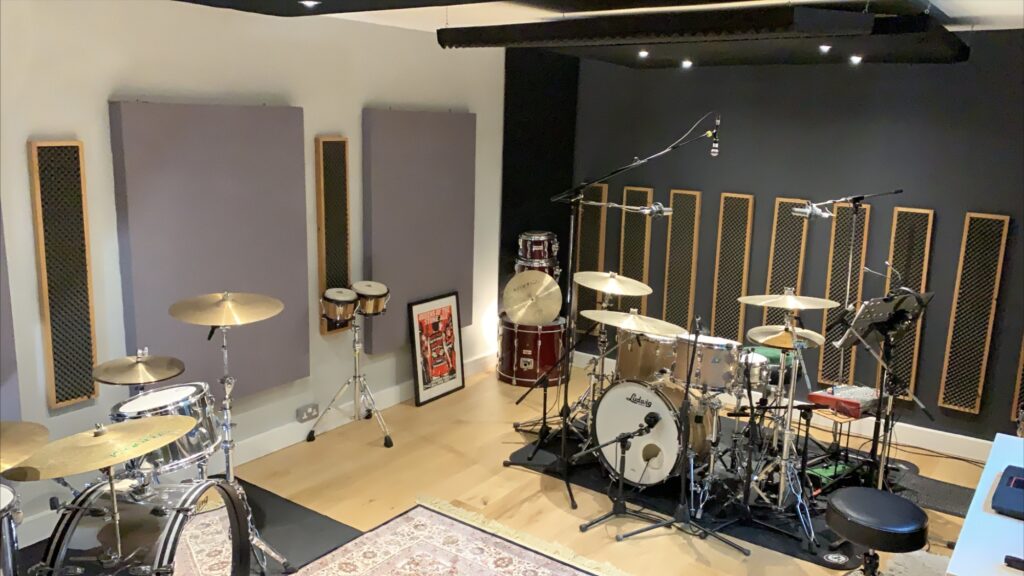
Hard floors, glass walls, and open layouts make many UAE buildings loud and echoey. Conversations bounce around, meetings feel tiring, and privacy disappears fast. Over time that constant noise wears people down.
Long exposure to indoor noise does more than annoy people. It affects concentration, sleep, and even health. According to the World Health Organization, environmental noise alone costs thousands of healthy life years each year in Western Europe, and similar patterns appear in busy Gulf cities.
One of the most effective ways to cut this problem is acoustic wood wool. This natural panel material uses wood fibers and cement to absorb sound, control echo, and add extra insulation at the same time. In this guide, you will learn the top benefits of acoustic wood wool for modern UAE buildings, from sound absorption and energy savings to safety and design flexibility. You will also see how Waseem Technical applies these panels in homes, offices, hotels, schools, and factories across the GCC.
If you want quieter rooms without giving up style or safety, keep reading. The next section highlights the main points before each benefit is explained in more detail.
Key Takeaways
The top benefits of acoustic wood wool matter for homeowners, facility managers, and contractors across the UAE. One material can often replace several separate products, making acoustic planning simpler for any villa, tower, or industrial unit.
High sound absorption: Acoustic wood wool panels reach Noise Reduction Coefficient (NRC) values between 0.8 and 1.0. They soak up most mid and high frequency noise before it bounces back into the room, so you get less echo, clearer speech, and calmer spaces even with hard finishes.
Extra thermal comfort: The same fibrous structure that absorbs sound also adds thermal resistance. In the Gulf climate, this helps rooms stay cooler. According to the International Energy Agency, cooling already takes around 20 percent of electricity use in buildings worldwide, and research on Towards net-zero emissions in residential heating and cooling confirms that better insulation is one of the fastest routes to lower bills.
Natural materials and low emissions: Panels use wood fibers, cement, and water with low emission binders, with no synthetic foam or itchy mineral fibers. That supports LEED, ESTIDAMA, and Al Sa’fat green building goals while helping keep indoor air cleaner.
Dependable fire performance: Cement-bonded wood fibers give acoustic wood wool reliable fire behavior that can meet strict UAE Civil Defence requirements when you select the correct rating. Unlike some foam tiles, quality panels do not melt or drip in a fire and do not release heavy black smoke, making them suitable for schools, hotels, cinemas, and other high-occupancy spaces.
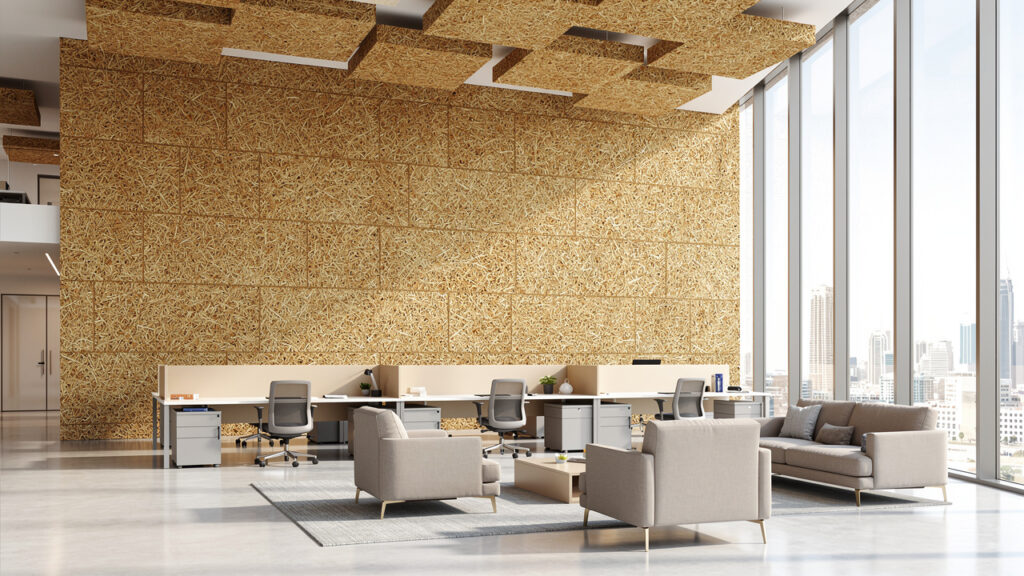
Attractive interiors: With its textured surface and natural color range, acoustic wood wool adds warmth and visual depth instead of looking like plain insulation. Panels install on ceilings, feature walls, or as hanging baffles, so designers can treat many noise problems without spoiling the look of a space. Waseem Technical uses CNC cutting to match these panels precisely to complex layouts.
What Is Acoustic Wood Wool And How Does It Work?

Acoustic wood wool is a rigid panel made from shredded wood fibers, cement, and water that absorbs sound inside its porous structure. Sound waves enter the open surface, move through tiny air pockets between the fibers, and lose energy instead of bouncing back into the room.
Manufacturers such as Fibrolith in Germany mix fine spruce fibers with a mineral binder, press them into boards, and cure them to high strength. The result is a light but solid tile with a rough, open surface that breaks up and softens reflected sound from speech, music, or machinery.
This behavior reduces the overall reverberation time of the room, which experts at Nielsen Norman Group describe as a main source of distraction in open offices. Shorter reverberation times make spaces feel calmer and more controlled without changing their size or shape.
Waseem Technical supplies acoustic wood wool panels from Fibrolith in standard sizes of 1200 millimeters by 600 millimeters and thicknesses from 9 to 24 millimeters. These options allow the team to tune performance and deliver the top benefits of acoustic wood wool in apartments, restaurants, schools, warehouses, and recording studios across Dubai, Abu Dhabi, Sharjah, and the wider GCC.
Superior Sound Absorption And Noise Reduction
Among the top benefits of acoustic wood wool is its strong sound absorption. These panels typically reach NRC ratings between 0.8 and 1.0 in the mid and high frequency range that affects speech, alarms, and everyday equipment.
By comparison, many plain gypsum ceilings or bare concrete walls have NRC values below 0.1, so they reflect almost all sound. Research from the US Environmental Protection Agency notes that long-term exposure to sound levels above 70 decibels can damage hearing and reduce quality of life, and recent work on Technical, Legal, and Health aspects of noise disturbance underscores the need for effective mitigation in human-centric environments. In busy offices and restaurants, echo and overlapping talk often push perceived noise close to those levels.
When Waseem Technical installs wood wool ceilings or wall panels in an office floor, restaurant, or lecture hall, the extra absorption shortens the time it takes for a loud sound to fade. Speech becomes easier to understand, telephone calls feel more private, and people do not need to raise their voices to be heard. That change often reduces fatigue for staff and guests over a long working day.
The panels suit a wide range of UAE buildings:
In villas, they calm echo in double-height living rooms and home cinemas.
In factories or logistics sheds, they limit the build-up of machinery noise so warning messages and alarms stay audible.
In hotels, they keep lobby conversations comfortable even during peak check-in times.
“Noise in offices and schools is not just annoying, it reduces concentration and productivity.” — Julian Treasure, Sound Consultant and Author
How Acoustic Wood Wool Improves Speech Clarity In Open-Plan Spaces
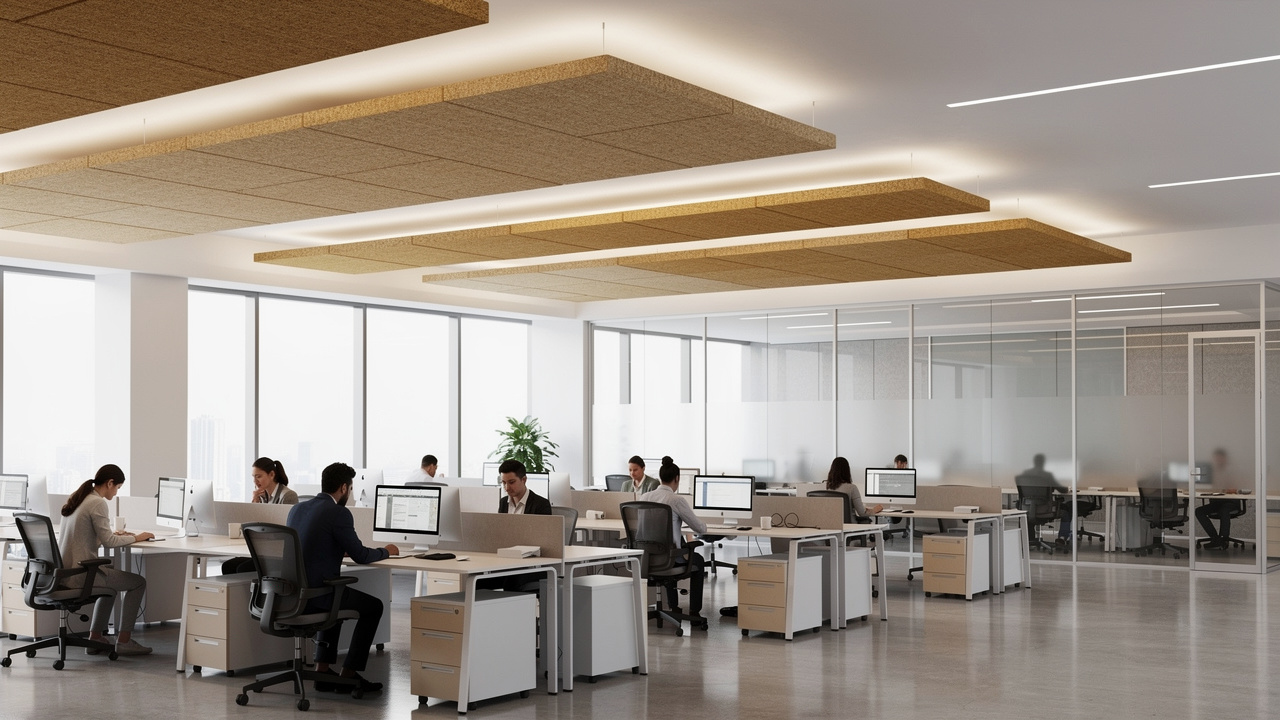
Open offices, school halls, and hotel lobbies often combine concrete floors, glass walls, and high ceilings that bounce voices in every direction. Those reflections blend into background noise, so people struggle to pick out the person they want to listen to.
According to Harvard Business Review, one study found face-to-face interaction in open offices dropped by around 70 percent as people tried to avoid noisy spaces, and studies on Indoor Soundscape Perception and working-from-home environments further confirm that poor acoustics measurably reduce occupant comfort and focus. Poor acoustics can work directly against the goal of better collaboration.
By placing acoustic wood wool across key ceiling areas and on selected wall surfaces, Waseem Technical cuts these reflections at their source. Conversations sound closer and more direct, which helps both native English speakers and second language speakers follow fast-moving discussions. In call centers and reception zones, this clarity is one of the top benefits of acoustic wood wool because it improves customer experience without changing furniture or lighting.
Sustainability, Thermal Insulation, And Fire Safety Three Benefits In One Material
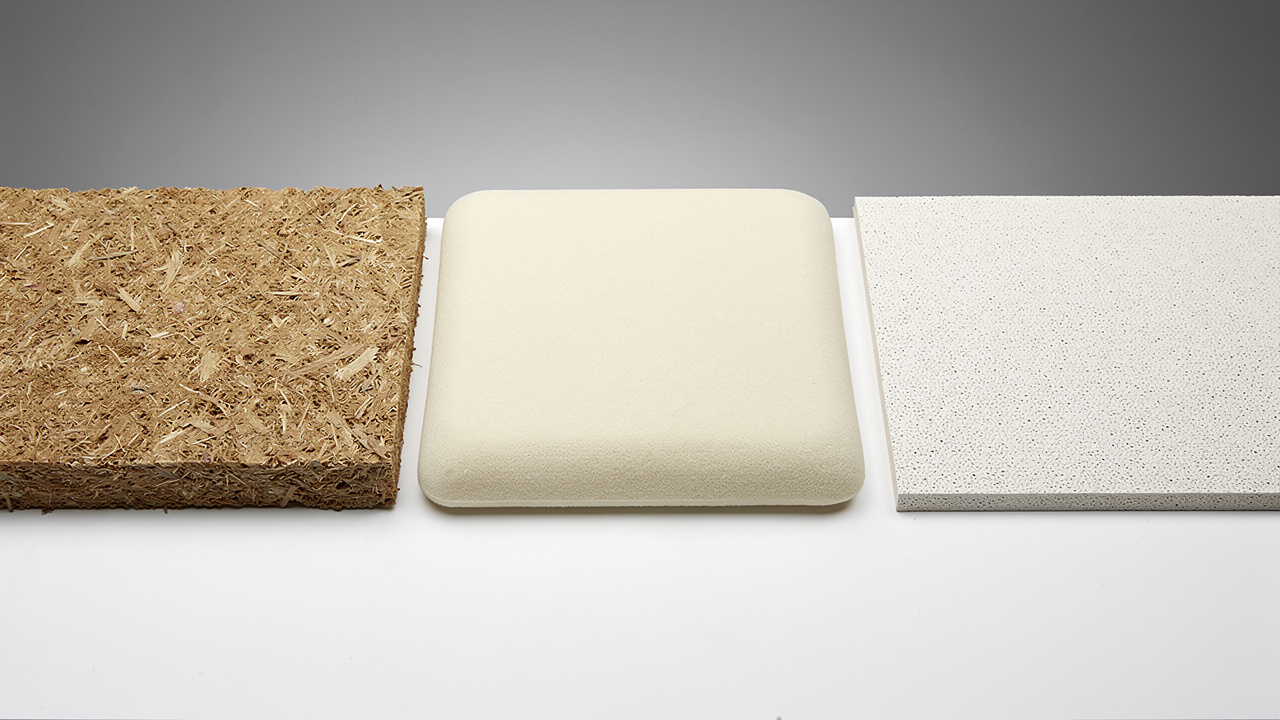
Sustainability, thermal insulation, and fire safety come together in acoustic wood wool, so one product answers several building needs at once. This combination suits UAE projects that must control noise, reduce energy use, and meet strict safety rules on every floor.
The core of each panel is natural softwood fiber mixed with cement and water, with no formaldehyde-based resins or petroleum foam — a formulation approach validated by research into the Development of a Mineral binder for wood wool acoustic panels that significantly reduces carbon footprint without compromising performance. Studies collected by the World Green Building Council show that greener materials and better indoor air can improve occupant comfort and even work performance. Because wood stores carbon during tree growth, these panels also keep some carbon locked inside the building fabric over their lifetime.
The same air pockets that slow sound also slow heat flow through walls and ceilings, a dual function that aligns with findings on Role of HVAC in building energy consumption, which highlights how reducing thermal load on envelope materials directly cuts HVAC demand. In the Gulf climate, where outside temperatures often reach 45 degrees Celsius, this extra resistance supports more stable indoor temperatures and reduces strain on HVAC systems. For large malls and office towers, even small percentage savings on chiller energy translate into noticeable yearly cost reductions, as confirmed by research showing that Demand-side strategies enable rapid and deep cuts in buildings and transport emissions through smarter material and energy choices.
Fire safety is equally important for Civil Defence approvals in Dubai and Abu Dhabi. Cement in the panel binder protects the wood fibers so they char slowly instead of igniting quickly, and quality products achieve tested fire ratings suitable for schools, hotels, and auditoriums. Waseem Technical works with project consultants to match each acoustic wood wool specification to the fire and energy requirements of the building code.
| Material Type | Acoustic Performance | Sustainability | Fire Behavior |
|---|---|---|---|
| Acoustic Wood Wool | High absorption, NRC up to 1.0 | Natural fibers, low emissions | Cement bonded, tested fire ratings |
| Acoustic Foam Panels | Good absorption | Petroleum based, limited recyclability | Can melt or drip in strong heat |
| Mineral Fiber Tiles | Moderate absorption | Mixed content, some recycled content | Good fire resistance, weaker impact strength |
“High performance buildings support people first through air quality, light, and sound comfort.” — Cristina Gamboa, CEO, World Green Building Council
Aesthetic Versatility And Design Flexibility For UAE Interiors
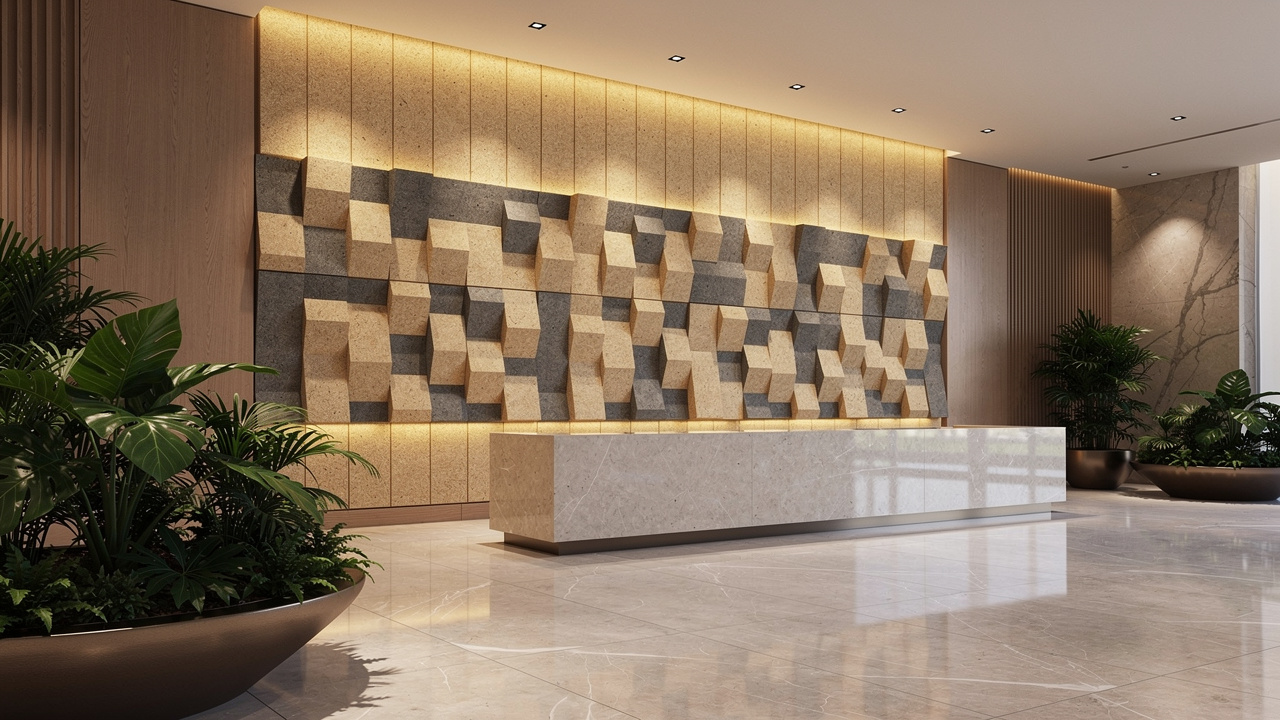
Aesthetic versatility and design flexibility with acoustic wood wool mean noise control no longer has to look technical or plain. The textured surface and natural tones of the panels often feel like a deliberate design feature rather than an acoustic fix.
Waseem Technical works with manufacturers such as Fibrolith and BAUX to offer a wide palette from light beige and warm gray to bold brand colors. By combining different thicknesses and formats, ceilings and walls can become patterned features instead of flat planes. This works well in hotels along Sheikh Zayed Road, boutique restaurants in Abu Dhabi, and high-end villas in Sharjah.
Panels can sit flush on concrete slabs, hang in rafts, form linear baffles, or stand as partitions between zones. Architects and interior designers gain many layout options without adding heavy structural loads, thanks to the relatively low weight of the boards, and studies on Multifunctional performance assessment of waste-based bioplastic and natural wall panels confirm that lightweight bio-based materials can simultaneously meet acoustic, thermal, and structural requirements in interior architecture. Because CNC cutting happens under controlled conditions, details around lights, sprinklers, and HVAC grilles stay crisp and tidy.
Common design uses in UAE projects include:
Floating ceiling rafts in coworking spaces to control echo above desks while keeping services accessible. The visible texture adds character to otherwise simple slabs, and colored panels can match brand identity.
Feature walls behind reception desks in offices or clinics to cut noise from busy waiting areas while giving visitors a warm first impression. Simple geometric patterns appear by varying panel joints.
Home cinemas and studios where walls and ceilings line up in a consistent grid of wood wool panels. Integrating LED strip lighting between rows creates a clean, modern feel without acoustic gaps.
Durability, Low Maintenance, And Ease Of Installation

Durability, low maintenance, and ease of installation help acoustic wood wool stand up to real-life conditions in UAE buildings. Property managers and contractors get long service life and fast fit-out without fragile finishes.
The cement-bonded fiber core resists impact better than many soft fabric-wrapped panels, a structural advantage explored in research on the Determination of the sound insulation performance of wood-based sandwich panels, which shows how geometric core structures and binder types directly influence durability and acoustic output. In school corridors or shopping mall walkways, trolleys, bags, and backpacks can brush against the surface without tearing it. When installed correctly and kept dry, wood wool boards maintain acoustic performance for decades.
Moisture resistance also matters in humid coastal cities. While panels should not sit in direct contact with water, their mineral content helps them resist warping and mold under normal interior humidity. That makes them a safer choice than some gypsum tiles in semi-open areas like parking lobbies, covered terraces, or poolside cafes.
Installation is straightforward for trained teams, which keeps project timelines under control even on large fit-outs. Panels can fix directly to blockwork or concrete with mechanical fasteners, or they can sit in metal grids as demountable ceilings. For renovation projects this avoids major demolition and allows spaces to stay partly operational.
Waseem Technical offers full installation across all Emirates and supports projects in Saudi Arabia, Qatar, Kuwait, Bahrain, and Oman. The team focuses only on acoustics, so advice and design stay sharply focused on sound quality. A Free Acoustic Check helps clients understand how many panels they need and where to place them for the best effect.
The Smart Choice For Modern UAE Buildings
The smart choice for many modern UAE buildings is acoustic wood wool because the top benefits of acoustic wood wool cover comfort, safety, and sustainability in one material. It treats noise, supports green goals, improves comfort, and looks good enough for premium interiors.
For homeowners, that means calmer villas and apartments where echo does not ruin family time or home cinema nights. For commercial property managers, it means fewer noise complaints and a more pleasant experience for tenants and visitors. For industrial businesses, it means clearer communication in noisy halls and better protection for staff hearing.
When these benefits combine with long panel life and simple maintenance, the total cost of ownership compares well with many other acoustic materials. Working with a specialist such as Waseem Technical gives projects access to tested products from Fibrolith, precise design support, and installers who focus on sound and acoustics rather than general maintenance work.
Conclusion
The top benefits of acoustic wood wool in modern buildings point back to one clear idea: quiet, comfortable, and safe spaces are easier to achieve when one natural material handles several performance tasks at the same time.
Wood wool panels absorb sound strongly, add useful thermal insulation, support green building goals, and meet fire and durability requirements across the UAE. Combined with flexible design options, they fit just as well in a JLT office as in a Ras Al Khaimah villa or a Jeddah warehouse.
If your next project needs better acoustics without complicated changes to structure or services, acoustic wood wool from Waseem Technical deserves serious consideration. Call +971 50 209 7517, visit waseemtechnical.ae, or book a Free Acoustic Check to receive a clear plan for turning noisy rooms into comfortable spaces.
Frequently Asked Questions
Frequently asked questions about acoustic wood wool usually focus on how it performs in real buildings, the Gulf climate, and different project types. The answers below give quick, practical guidance without heavy technical language.
What is the NRC rating of acoustic wood wool panels?
Answer: The NRC rating of quality acoustic wood wool panels from Waseem Technical typically sits between 0.8 and 1.0. They absorb most incoming mid and high frequency sound, which means strong echo control, calmer background noise, and clearer speech for meetings, classes, and conversations.
Is acoustic wood wool suitable for humid or coastal UAE environments?
Answer: Yes. Cement-bonded wood wool handles typical indoor humidity very well, even in coastal cities such as Dubai and Abu Dhabi. The mineral binder limits moisture uptake and reduces the risk of swelling or mold compared with many fabric-covered panels. Waseem Technical checks each site through a Free Acoustic Check to choose the right specification for your conditions.
Can acoustic wood wool panels be used in both new builds and renovation projects?
Answer: Acoustic wood wool suits both new construction and retrofit work because panels are light and easy to mount. Installers can glue them to existing walls, screw them to timber or metal frames, or drop them into ceiling grids. Waseem Technical regularly upgrades operating offices, schools, and restaurants without full closure of the space.
How do acoustic wood wool panels support green building certifications in the UAE?
Answer: Wood wool panels support LEED, ESTIDAMA, and Al Sa’fat by combining natural materials with low emissions. They improve acoustic comfort and thermal performance, which ties directly to indoor environmental quality credits. Using a single multi-function material also simplifies documentation for consultants and sustainability managers.
How long do acoustic wood wool panels last, and what maintenance is required?
Answer: Properly installed acoustic wood wool panels often last for decades without losing acoustic performance. The rigid cement-bonded surface resists impact and typical indoor humidity, so there is little risk of sagging or cracks. Maintenance usually means only occasional dusting or vacuuming to keep them looking clean in busy spaces.