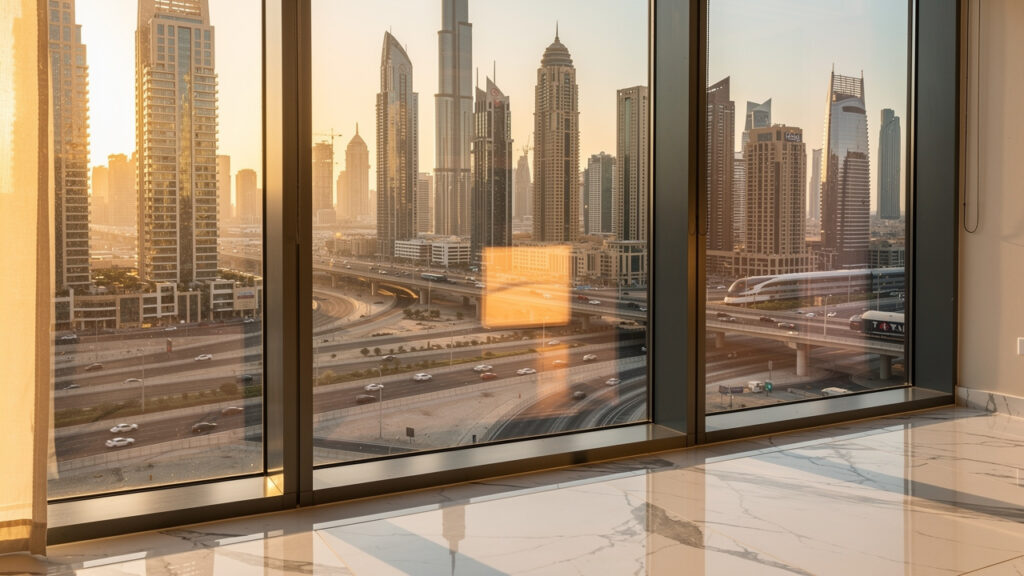
Living in Dubai often means nonstop traffic, construction, and metro noise spilling into your rooms. Standard windows rarely keep that urban roar out. Acoustic laminated glass uses special sound‑dampening layers inside the glass to block much more noise, which is why it has become essential for urban buildings in Dubai that face highways, rail lines, or busy streets. It combines two or more panes of glass with a plastic interlayer so vibrations fade out instead of passing inside, giving homes and offices calmer, quieter spaces. In this guide you will see what it is, why Dubai’s environment demands it, the real benefits, and how Waseem Technical installs it correctly across the UAE. Ready to see how quiet your building could be next?
Key Takeaways
Choosing whether acoustic laminated glass makes sense for your building becomes easier when you see the main points clearly. This quick summary gives you the highlights before you read the deeper details.
Acoustic laminated glass structure
Acoustic laminated glass uses two or more panes bonded with a PVB interlayer that absorbs vibration. The interlayer works like a cushion so sound waves lose energy as they cross the glass. This makes it far more effective than standard single panes or basic double glazing when you want real urban noise control.Why Dubai pushes standard glazing to its limits
Dubai’s dense highways, Dubai Metro lines, and busy districts around Dubai International Airport push constant noise toward buildings. Standard glazing often hits coincidence frequencies where it vibrates with certain traffic sounds, so noise suddenly gets louder. That is one key reason why acoustic laminated glass now feels like a basic need, not a luxury extra.Extra comfort, safety, and energy benefits
Acoustic laminated glass also adds safety, UV protection, and better thermal performance that can lower cooling bills. Property value and tenant comfort rise when rooms feel calm, safe, and cooler. Professional installation from a specialist such as Waseem Technical makes sure the glass actually performs to its rated acoustic levels on site.
What Is Acoustic Laminated Glass And Why Does It Work So Well?
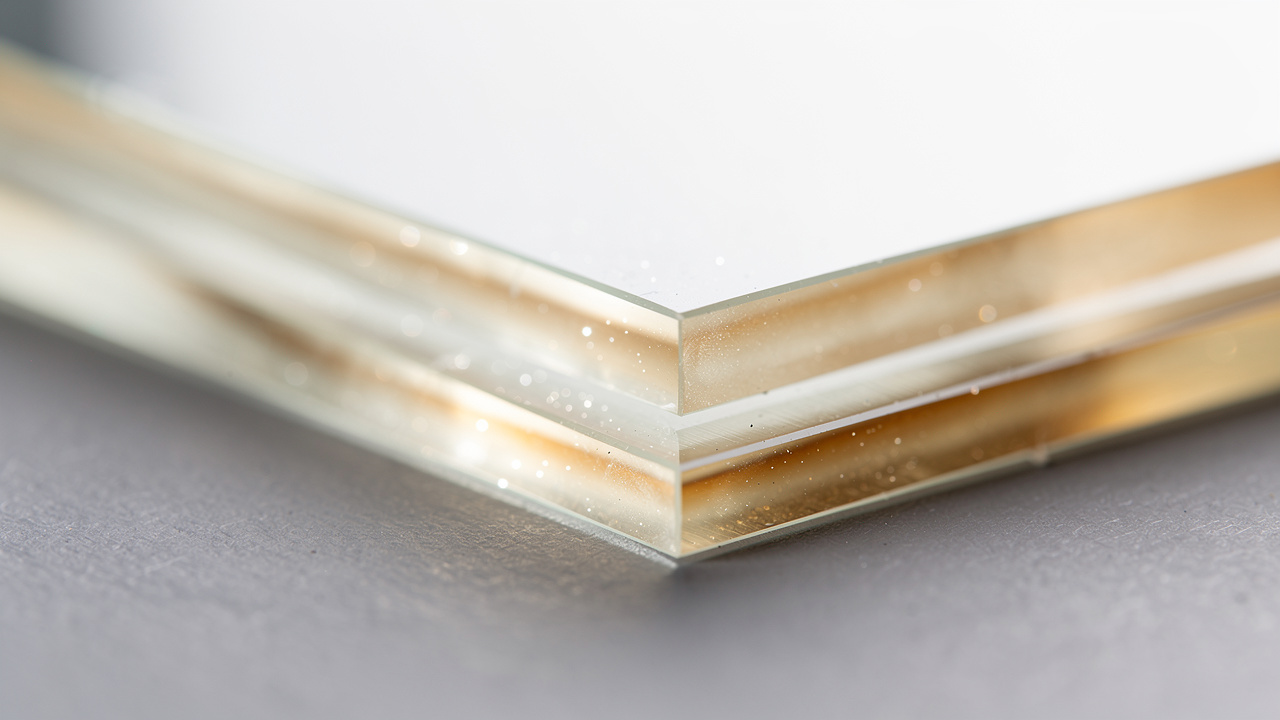
Acoustic laminated glass is a layered glass product designed to slow sound before it reaches the inside of a building. This glazing bonds two or more glass panes to a plastic interlayer under heat and pressure so they act as one sheet with special acoustic behavior. That construction explains why it works so well compared with ordinary windows.
In a normal pane, sound waves hit the glass, make it vibrate, and the vibration passes straight through into your room. In acoustic laminated glass, the polyvinyl butyral interlayer, often called PVB, behaves like a flexible cushion. It decouples the panes so they do not vibrate in step, and it damps the motion, turning some of that sound energy into tiny amounts of heat instead of noise.
Manufacturers such as Saint-Gobain and Guardian Glass offer special acoustic PVB with a softer core layer tuned to speech and traffic frequencies, with advances in Two-Dimensional TiO2 Ultraviolet Filters also pointing to how nano-scale interlayer engineering continues to expand the functional performance of laminated glass products. That targeted core improves sound reduction right where city noise is most annoying. According to the Acoustical Society of America, a 10‑decibel drop in sound level can feel roughly like cutting noise in half to the human ear, which shows how even a few extra decibels of glass performance matter in daily life.
Compared with standard double glazing of the same overall thickness, the reason acoustic laminated glass performs better comes down to this damping action. The air gap in regular double glazing helps with heat but does little when the glass itself vibrates strongly. The PVB interlayer attacks the vibration directly, so the whole unit can reach higher Rw or OITC ratings without oversized frames.
Here is a simple comparison to make the difference clear.
| Feature | Standard Double Glazing | Acoustic Laminated Glass |
|---|---|---|
| Basic structure | Two panes with air gap | Two panes bonded with PVB interlayer |
| Main focus | Thermal insulation | Noise reduction plus safety |
| Typical acoustic rating | Around low 30s Rw for many units | Often mid to high 30s Rw or above |
| Breakage behavior | Shards can fall | Fragments stick to interlayer |
Why Dubai’s Urban Environment Demands Acoustic Glass

Dubai’s urban environment produces intense, constant noise that pushes ordinary glazing to its limits. Highways like Sheikh Zayed Road, elevated Dubai Metro tracks, and dense commercial districts create a steady background of traffic, brakes, horns, and crowd sound that leaks into apartments and offices. In this setting, acoustic laminated glass becomes a very practical way to keep living and working spaces calmer.
“There is growing evidence that exposure to environmental noise has adverse effects on the health of the population.”
— World Health Organization, Environmental Noise Guidelines for the European Region
Research from the World Health Organization links long‑term exposure to environmental noise above roughly 55 decibels to higher risks of heart disease and serious sleep disturbance. The European Environment Agency reports that tens of millions of people in European cities face those noise levels every day. With Dubai’s nonstop construction and 24‑hour lifestyle, residents and employees face similar conditions unless building envelopes receive stronger acoustic treatment.
Standard glazing has a hidden weakness called coincidence frequency. At certain sound frequencies, often linked to traffic rumble or aircraft noise, the glass panel vibrates very easily. When that happens, noise reduction can suddenly drop by 10 decibels or more, which feels like doubling the loudness again. Basic 6‑millimeter glass that might seem acceptable on paper can sound far worse on a busy night next to a highway.
The way acoustic laminated glass deals with this problem lies in how the PVB interlayer and varied pane thicknesses break up that coincidence effect. By using different glass thicknesses and a damping layer, the system does not “ring” so easily at those problem frequencies. That is especially important near Dubai International Airport, along the Dubai Metro Red Line, or in mixed‑use areas around Dubai Marina and Business Bay.
Local developers such as Emaar and Nakheel often design towers with wide, floor‑to‑ceiling glazing to capture skyline views. Without acoustic treatment, that large glass area becomes a giant loudspeaker for Sheikh Zayed Road or Al Khail Road. As expectations rise among tenants, acoustic laminated glass moves from optional upgrade to standard building performance item that supports wellness and productivity.
What Are The Key Benefits Of Acoustic Laminated Glass For UAE Properties?

The main benefits of acoustic laminated glass for UAE properties combine comfort, safety, energy, and long‑term value. For anyone comparing options, understanding how this glass gives multiple paybacks helps justify the investment. It turns windows and façades into active parts of your building’s comfort strategy.
Strong noise reduction for homes, offices, and hotels
Acoustic laminated glass targets the very sounds that bother Dubai residents most, such as traffic, construction, and aircraft noise. By lifting Rw or OITC ratings several decibels above standard units, it cuts the sharpness of horns and the constant rumble of engines. Studies referenced by Nielsen Norman Group show that noise is one of the top complaints in open offices, which means better acoustics can directly support focus and performance at work.Safety and security with fragment retention
When laminated glass breaks, the pieces stay stuck to the PVB interlayer instead of falling as dangerous shards. That behavior helps protect families in apartments, children in schools, or guests in hotel lobbies all over the UAE. For higher‑risk sites such as banks, clinics, or control rooms in industrial plants, thicker laminated make‑ups can slow forced entry and support blast or impact design goals, which many facility managers in Dubai and Abu Dhabi now require.UV protection that preserves interiors
The interlayer in acoustic laminated glass can block up to 99 percent of harmful ultraviolet rays, a property supported by research into The Potential of Natural and synthetic UV-blocking compounds used in protective layers. According to Lawrence Berkeley National Laboratory, UV radiation is a major cause of fading in flooring, fabrics, and artwork. In sunny locations such as Jumeirah Beach Residence or Downtown Dubai, that protection keeps interiors looking fresh for longer — particularly relevant given research on Projection of the UV radiation intensity changes projected through to 2099 — and cuts replacement costs for furniture and finishes.Thermal comfort, energy savings, and sustainability value
When combined with low‑emissivity or solar control coatings from suppliers like Pilkington or AGC Glass, acoustic laminated glass also slows heat gain. The U.S. Department of Energy notes that heat flow through windows often accounts for 25 to 30 percent of residential heating and cooling energy use. In the Gulf climate, better glazing reduces strain on air‑conditioning systems, supports green building targets such as Estidama or LEED, and cuts electricity bills for owners.
Beyond these core points, acoustic laminated glass fits Dubai’s architectural style very well. It comes in clear, tinted, frosted, and reflective versions from makers such as Emirates Glass, so designers can keep the look they want while upgrading performance. That mix of comfort, safety, and design flexibility helps raise rental value in towers from Dubai Marina to Abu Dhabi’s Al Reem Island, which is one more reason why acoustic laminated glass keeps gaining ground across the GCC.
How Waseem Technical Delivers Acoustic Glass In Dubai
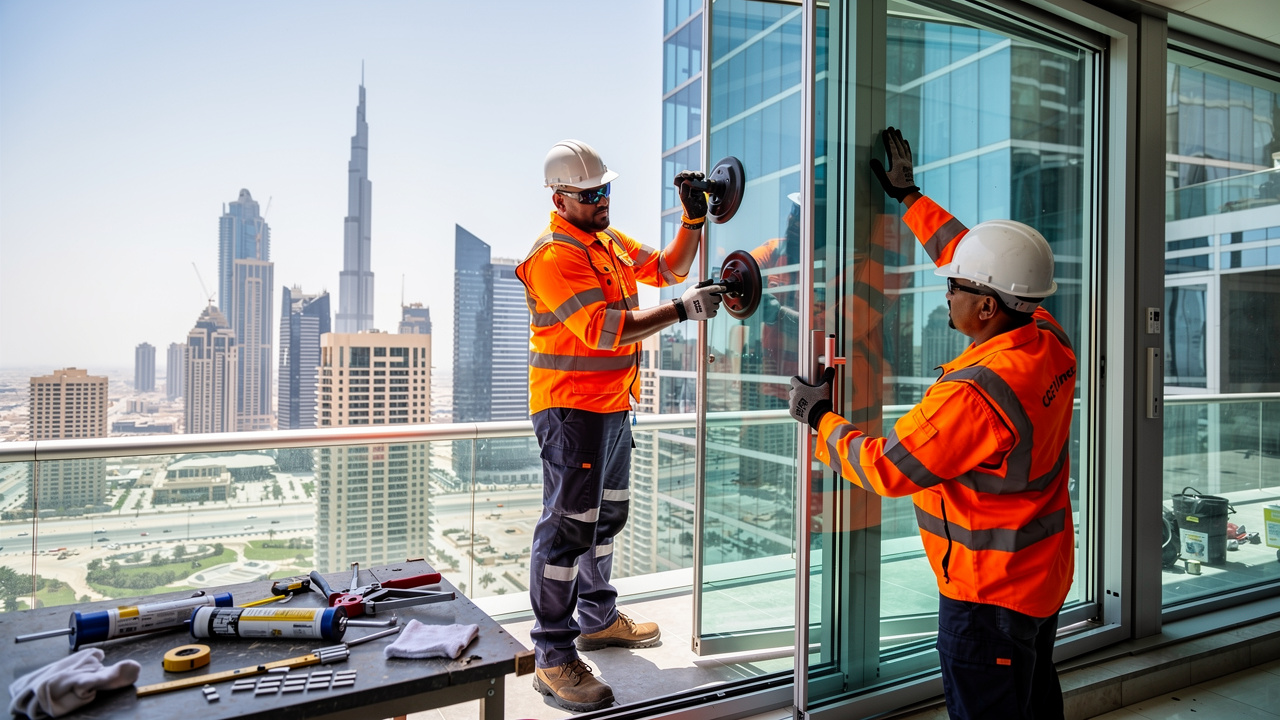
Choosing the right product is only half of the story, because the way glass is installed decides how it sounds in daily use. This is where Waseem Technical focuses, providing a full acoustic service for acoustic laminated glass projects across Dubai and the wider UAE. The company works only on soundproofing and acoustics, which means every step centers on noise control instead of general maintenance.
Waseem Technical designs acoustic laminated glass windows that combine different glass thicknesses and PVB interlayers to avoid coincidence frequencies. For an apartment near Sheikh Zayed Road, that might mean a thicker outer pane tuned to traffic noise, while a villa in Mirdif may need a slightly different setup. The same engineering goes into single and double‑glazed acoustic doors for meeting rooms, hotel suites, or clinic consultation spaces, with options for clear, frosted, or tinted glass and UV protection.
For larger projects, Waseem Technical extends these systems into full glass partitions and façades for offices in Business Bay, hospitals in Al Qusais, or schools in Sharjah. Acoustic glass panels pair well with extra wall and ceiling treatments such as PET or fabric acoustic panels, giving recording studios, podcast rooms, and boardrooms a complete noise control package.
Service is built as an end‑to‑end process:
Initial site visit and measurement
A typical project starts with a free site visit and noise assessment where Waseem Technical’s team measures dominant sound sources and reviews existing windows and frames.Design and specification
From there they recommend glass build‑ups, frame upgrades, and sealing methods designed to reach target Rw or OITC values for that specific space.Installation with attention to airtightness
Industry guidance from groups like the Glass and Glazing Federation shows that poor sealing can reduce acoustic performance by several decibels, so airtight installation with quality gaskets and sealants is a central part of every job.
“Even small gaps around frames can cut window sound insulation by several decibels, so sealing is as important as the glass itself.”
— Waseem Technical Installation Team
Aftercare and maintenance advice
After installation, Waseem Technical provides practical maintenance advice such as which cleaners to use on coated glass and how often to check seals. That support helps keep acoustic performance stable for years in harsh Gulf conditions, with sand, heat, and strong sun.
For consultations or quotations, clients across the GCC can call +971 50 209 7517 or visit waseemtechnical.ae to discuss whether acoustic laminated glass is the right upgrade for their buildings.
The Bottom Line

For modern towers and villas across Dubai, acoustic laminated glass is no longer a nice extra that sits on a wish list. It has become a practical building upgrade that improves sleep, reduces stress, supports productivity, and protects interiors in a city where noise and sun rarely take a break. The extra safety and energy savings add even more value over the life of the property.
When you combine good glass specification with expert installation, the result is a clearly quieter space that feels calmer the moment you shut the window. That outcome is exactly what Waseem Technical focuses on, using years of acoustic experience in the UAE to design and install systems that match each site. If you are ready to hear how different your apartment, office, or hotel can sound, reach out to Waseem Technical at +971 50 209 7517 or through waseemtechnical.ae for a free noise consultation.
Frequently Asked Questions
Many owners in Dubai and across the UAE share similar doubts before they choose acoustic laminated glass for their projects. These short answers clear up the most common points.
What Is The Difference Between Acoustic Laminated Glass And Regular Double‑Glazed Glass?
Acoustic laminated glass adds a PVB interlayer that damps vibration, while regular double glazing relies mostly on an air gap for insulation. The damping layer breaks the path of sound waves and reduces coincidence effects. As a result, acoustic laminated units usually give higher Rw or OITC ratings than similar thickness standard double‑glazed units.
How Much Noise Reduction Can I Expect From Acoustic Laminated Glass In Dubai?
Exact noise reduction depends on glass build‑up, frame quality, and installation. Well‑designed acoustic laminated windows can often improve sound insulation by several decibels compared with basic units, and studies on Optimizing Sound Insulation Performance of triple glazing systems illustrate how glass thickness and cavity combinations can be engineered to maximise acoustic ratings for specific noise environments. Using asymmetric pane thicknesses and airtight framing helps reach the performance shown in the lab ratings.
Is Acoustic Laminated Glass Suitable For High‑Rise Buildings And Façades In Dubai?
Yes, acoustic laminated glass suits high‑rise façades and curtain walls when engineers detail thickness, weight, and frame loads correctly. Waseem Technical already works on towers and commercial buildings across Dubai and Ajman, matching glass configurations to wind, safety, and acoustic needs at each level. Proper structural design and tested hardware keep these systems reliable over time.
Does Acoustic Laminated Glass Also Help With Heat And Energy Efficiency In Dubai’s Climate?
Yes, acoustic laminated glass often improves thermal comfort as well. When paired with low‑emissivity or solar control coatings, it reduces heat transfer through windows, which the International Energy Agency links to large shares of building energy use worldwide. Lower heat gain means air conditioning runs less, helping cut electricity bills and support UAE green building targets.
How Do I Know If My Building Needs Acoustic Laminated Glass?
You likely need acoustic laminated glass if you hear traffic, aircraft, metro noise, or construction clearly with windows closed. Properties near main roads, rail lines, airports, or busy nightlife spots gain the most. The simplest next step is to book a free on‑site noise assessment with Waseem Technical so their team can measure conditions and suggest the right upgrade.