Noise across UAE cities grows louder every year because of traffic, construction, and crowded high‑rise zones. Many residents now ask whether Acoustic Glass vs Regular Glass really changes what they hear at home or work. The short answer is yes, but the best choice depends on how much noise surrounds your property and how each room is used.
Regular glass lets sound pass quite easily, while acoustic glass uses special laminated layers to cut noise, improve safety, and block UV. In busy areas of Dubai, Abu Dhabi, or Sharjah, acoustic glass usually gives far better comfort than standard windows. This guide compares both options, explains how sound moves through glass, and shows when each type makes sense for UAE properties.
Keep reading to see how this choice affects sleep, productivity, energy bills, and long‑term property value — and how Waseem Technical can help design the right setup for your space.
Key Takeaways
Choosing between acoustic glass vs regular glass can feel confusing at first, so here is the heart of it in plain terms. These points give a quick orientation before you read the deeper sections below.
Acoustic glass uses laminated layers with a sound‑damping interlayer, while regular float glass is a simple pane or basic double pane with no built‑in noise control. This design difference lets acoustic glass slow sound vibrations instead of passing them straight indoors. It matters most in high‑noise UAE locations where outdoor noise rarely stops.
Regular glass usually falls short in high‑noise UAE environments such as homes along Sheikh Zayed Road, near Dubai International Airport, or beside busy construction zones. It offers only small sound reduction, so traffic, horns, and aircraft remain clearly audible. Over time, that constant background noise can harm sleep quality, focus, and even mood.
Acoustic glass offers extra advantages beyond noise reduction, including better safety because broken pieces stay attached to the interlayer, strong UV blockage that protects furniture, and improved thermal performance in double‑glazed setups. These side benefits fit well with the UAE climate, where heat and sun exposure are intense for most of the year.
Regular glass may still be enough for quiet villas, storage spaces, or back‑of‑house areas that sit far from traffic and do not need high acoustic comfort. In genuinely low‑noise locations, basic glass can meet needs at a lower upfront price. That said, many UAE areas that feel quiet today may face new roads or towers in the next few years.
Professional design and installation decide how much benefit you gain from acoustic glass, because gaps and weak frames let sound slip in again. Waseem Technical focuses on acoustic systems only, not general maintenance, so the team looks at your actual noise sources, frame details, and room usage before proposing any upgrade. That approach helps your investment pay off in real‑world decibel reduction.
“Noise control is never just about the glass thickness; it’s about the full window system working together.”
— Waseem Technical acoustic specialists
What Is Acoustic Glass And How Does It Differ From Regular Glass?
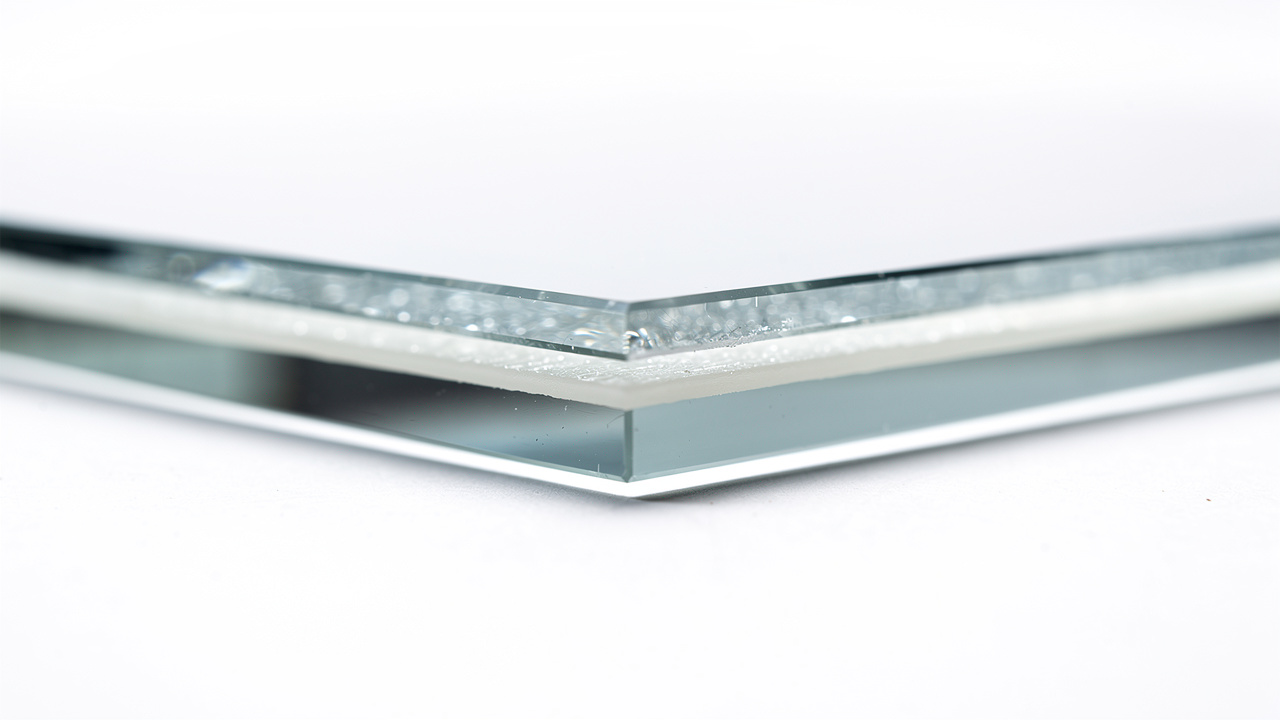
Acoustic glass is a laminated glazing built specifically to reduce sound transfer, while regular glass is a basic transparent pane made mainly for light and weather protection. Both look similar at first glance, yet their inner structure and performance are very different. Understanding that structure explains why one suits quiet suburbs and the other suits busy city corridors.
Regular or float glass comes from floating molten glass on molten tin, then cutting it into flat sheets. This glass is often used as single panes or in simple double glazing in many UAE apartments and villas. According to Saint‑Gobain, a typical 4 millimeter float pane reaches only about 25 to 28 dB Rw, which means outside noise still sounds quite clear indoors. Regular glass can be tempered for strength, but that does not solve noise problems.
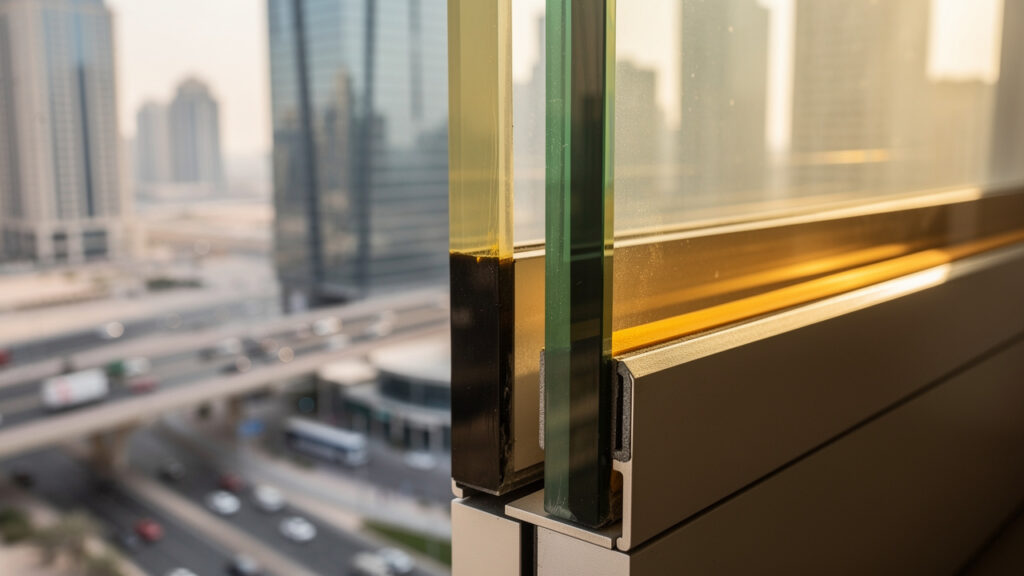
Acoustic glass, on the other hand, combines two or more glass layers bonded with a special acoustic polyvinyl butyral (PVB) interlayer under heat and pressure. That PVB layer behaves like a flexible barrier that absorbs part of the sound vibration instead of passing it on. Many acoustic glazing systems supplied by Waseem Technical and manufactured by makers such as Saint‑Gobain, Guardian Glass, and Pilkington use different pane thicknesses and high‑performance PVB to boost sound reduction.
This matters a lot in the UAE, where more than 86 percent of residents live in urban areas according to the World Bank. In dense districts of Dubai, Abu Dhabi, and Sharjah, acoustic glass helps turn apartments, hotel rooms, classrooms, and offices into calmer spaces even when the streets outside never sleep.
How Does Sound Travel Through Glass And Why Does It Matter?

Sound travels through glass as vibration, so any choice in the Acoustic Glass vs Regular Glass question directly affects how much vibration reaches your ears. When a sound wave hits a pane, the glass starts to move slightly, then sends that vibration into the air on the other side. The less resistance the pane offers, the more noise you hear indoors.
The amount of sound that gets through any pane mainly depends on:
Mass – thicker or heavier glass blocks more sound at many frequencies.
Stiffness – very stiff panes can pass certain frequencies more easily.
Damping – materials that absorb vibration reduce the sound that comes through.
A thin single pane of regular glass has low mass and almost no damping inside the material. That means it passes a wide range of traffic, voices, and construction noise with little slowdown. Even standard double glazing with two identical panes can have a weak zone called a coincidence dip, where certain frequencies pass more easily because both panes vibrate together. In many UAE towers, you can hear that as a dull rumble from heavy traffic or construction machinery.
Acoustic glass changes this process by using a laminated build with a PVB interlayer and often panes of different thicknesses, a design principle explored in Three-Layer Glass Thickness Optimization research demonstrating how varied configurations minimize solar heat gain and improve acoustic performance simultaneously. The interlayer flexes slightly as sound hits it, which turns part of the vibration into tiny amounts of heat instead of transmitted noise. That extra damping can move performance from the high‑20s dB for basic glass into the mid‑40s or higher, which is a very noticeable shift.
A reduction of 10 dB is heard as roughly half as loud to the average listener (source: Acoustical Society of America).
World Health Organization guidelines say that average night noise inside bedrooms should stay near 30 dB for healthy sleep according to the World Health Organization. Properties near major roads or airports in Dubai can face outdoor levels above 70 dB, so the glazing choice makes the difference between restful nights and constant disturbance.
Acoustic Glass vs Regular Glass Key Performance Differences
When you compare Acoustic Glass vs Regular Glass, the gap shows up clearly in measurable performance areas such as sound, safety, UV blocking, and energy behavior. The table below gives a quick side‑by‑side view that matches typical products used in UAE projects.
| Feature | Regular Glass | Acoustic Glass |
|---|---|---|
| Sound reduction Rw rating | About 25 to 32 dB for single or basic double panes | About 35 to 45 dB for laminated units, up to 50 dB+ in advanced acoustic IGUs |
| Construction | Single pane or simple double glazing with air gap | Laminated panes with acoustic PVB, often in double or triple glazing |
| Safety behavior | Shatters into sharp pieces unless laminated or tempered | Stays stuck to PVB layer when broken, lowering injury risk |
| UV blocking | Limited UV filtering | Up to about 99% UV reduction with many laminated interlayers |
| Thermal performance | Weak in single panes, moderate in standard double glazing | Better when used in insulated units, especially with Low‑E coatings and gas fill |
| Relative cost | Lower upfront price | Around 30–80% higher per square meter depending on build |
For noise, that extra 10 to 20 dB means a big comfort boost. The World Health Organization notes that long‑term exposure above 55 dB outdoors raises annoyance and health risks World Health Organization. Moving from a regular window around 28 dB Rw to an acoustic unit in the mid 40s can cut outside road noise to a soft background instead of a constant distraction.
Safety is another clear difference. Because acoustic glass is laminated, the PVB holds fragments together after impact. This is especially important in villas with children, hotel balconies, school façades, and street‑level shopfronts along busy walkways in Dubai or Sharjah. Regular glass, if not laminated, can drop sharp shards that are dangerous to people below.
The same PVB layer also blocks most UV, helping to slow fading of flooring, fabrics, and artwork. In the UAE climate, that can protect expensive finishes in hotels, offices, and high‑end apartments. Thermal behavior improves as well when acoustic glass forms part of a double‑glazed unit with argon and Low‑E coatings. The International Energy Agency reports that cooling can account for 50 to 60 percent of household electricity use in Gulf countries, so any window upgrade that cuts heat gain helps lower bills over many summers.
Cost per square meter is higher for acoustic glass, yet the payback comes in quieter rooms, fewer complaints, better sleep, and often higher rental or resale value in crowded districts. Many UAE hotels, recording studios, and premium offices already treat quality glazing as a standard investment, not a luxury extra.
Tip: When you compare glazing, ask suppliers for the Rw rating and full glass build‑up (pane thicknesses plus interlayer), not just the phrase “double glazing.”
— Waseem Technical
When Should You Choose Acoustic Glass Over Regular Glass?

The right choice in Acoustic Glass vs Regular Glass depends mostly on noise levels, how spaces are used, and how long you plan to keep the property. Put simply, acoustic glass suits noisy, high‑comfort spaces, while regular glass only suits rooms with low exposure and low demand for quiet.
Situations where acoustic glass makes sense
Homes or apartments near major roads, metro lines, or airports in Dubai, Abu Dhabi, or Sharjah. In these places, heavy traffic and aircraft movements raise outdoor decibel levels for many hours each day, so standard glass rarely gives restful interiors. Acoustic glazing can drop that noise to a soft murmur and protect sleep.
Hotels, serviced apartments, and short‑stay rentals where guest reviews depend on quiet rooms. For properties in busy tourism zones like Dubai Marina or Downtown, noise complaints can hurt scores on platforms such as Booking or Airbnb. Acoustic glass, especially in double‑glazed units, helps keep guests comfortable and willing to return.
Offices, clinics, schools, and meeting rooms where speech privacy and focus matter — a priority supported by acoustic performance prediction by statistical energy analysis, which shows how glazing choices in adjacent workrooms directly affect speech intelligibility and occupant comfort. Acoustic partitions and façades help staff hear conversations clearly without outside noise masking speech. Clients in sectors such as law, finance, and healthcare also value confidentiality, which good glazing supports by limiting sound leakage.
Situations where regular glass may be enough
Villas or low‑rise buildings in truly quiet neighborhoods far from main roads, flight paths, and future development zones. If daytime background noise stays low and night is very calm, standard glass combined with solid walls can sometimes meet comfort needs.
Storage areas, plant rooms, or back‑of‑house spaces with short human occupancy. For these rooms, spending more on acoustic glazing rarely makes sense, as people do not stay there for long periods.
Projects where budget is extremely tight and noise exposure is proven to be modest. Even then, many UAE owners now keep acoustic upgrades in mind for a later phase as the city around them grows.
“If road noise already bothers you with the windows closed, that is a strong sign the glazing needs an upgrade.”
— Waseem Technical acoustic team
How Waseem Technical Helps You Get Acoustic Glass Right In The UAE

Choosing Acoustic Glass vs Regular Glass is not only about picking a pane; it is about designing a full window or partition system that actually hits the target decibel levels. This is where Waseem Technical steps in with focused experience across UAE and GCC building types.
For more than 13 years, Waseem Technical has focused only on soundproofing and acoustics, not general maintenance. The team:
supplies and installs acoustic laminated glass windows, balcony doors, sliding systems, and office partitions using high‑quality PVB interlayers
handles projects ranging from high‑rise offices in Ajman and Dubai to hotel guest rooms, recording spaces, classrooms, and home workspaces across Abu Dhabi and Sharjah
Installation details matter as much as glass selection. Poorly sealed aluminum frames, weak gaskets, or unfilled gaps can wipe out much of the acoustic benefit. Waseem Technical pays close attention to frame reinforcement, airtight sealing, and correct cavity sizes in insulated glass units so that the performance tested in the lab shows up on site. This system mindset aligns with guidance from Dubai Municipality, Abu Dhabi Urban Planning Council, and Estidama sound standards.
To help owners decide, Waseem Technical offers free consultations and on‑site noise assessments across the UAE and wider GCC. During these visits, the team measures noise, checks current glazing, and then recommends either acoustic glass upgrades, added acoustic panels, or a mix of both. To talk through your own property, you can call +971 50 209 7517 or visit waseemtechnical.ae and request a call‑back.
The Bottom Line

Regular glass gives light and views, but it hardly slows the kind of traffic, aircraft, and construction noise common in UAE cities. Acoustic laminated glass, especially when used in well‑designed double‑glazed units, can cut perceived loudness by half or more, while also improving safety, UV protection, and energy performance.
For homes, offices, hotels, and schools exposed to steady noise, acoustic options usually win the Acoustic Glass vs Regular Glass comparison by a wide margin. If you want quieter rooms and better comfort for years ahead, it makes sense to talk with specialists instead of guessing. Waseem Technical combines acoustic expertise, quality products, and careful installation across the UAE and GCC, so your upgrade delivers real, measurable change. To start, contact +971 50 209 7517 or send a request via waseemtechnical.ae.
Frequently Asked Questions
Is acoustic glass worth it in the UAE?
Acoustic glass is worth it for most UAE properties exposed to city noise because it cuts sound far more than regular glass. It also brings extra safety, UV protection, and better thermal comfort, which supports property value over time. Waseem Technical offers free consultations so owners can see real gains before committing.
Can acoustic glass completely block out noise?
Acoustic glass cannot give absolute silence, but it can reduce outside noise to a much lower, more comfortable level. A 10 dB drop already feels like half the loudness to human ears, according to the Acoustical Society of America. Properly sealed frames and professional installation are needed to reach the rated performance.
How much does acoustic glass cost compared to regular glass?
Acoustic glass usually costs about 30 to 80 percent more per square meter than standard float glass or simple double glazing, depending on thickness and build. Over time, many owners recover that premium through lower cooling bills, fewer complaints, better sleep, and stronger rental or resale values in noisy districts.
Does acoustic glass also provide thermal insulation?
Yes, acoustic glass gives better thermal performance than single regular panes, especially in insulated glass units with argon gas and Low‑E coatings. This helps reduce heat gain in UAE summers and lowers air‑conditioning use. The International Energy Agency notes that improving building envelopes is a key path to cutting cooling energy in hot climates.
What is the difference between acoustic glass and double glazing?
Standard double glazing uses two regular panes with an air gap, which helps with heat and gives modest sound reduction. Acoustic glass adds a sound‑damping PVB interlayer, so it blocks more noise at many frequencies. In high‑noise UAE locations, Waseem Technical often recommends acoustic laminated panes inside a double‑glazed unit for the best balance of cost, comfort, and energy savings.