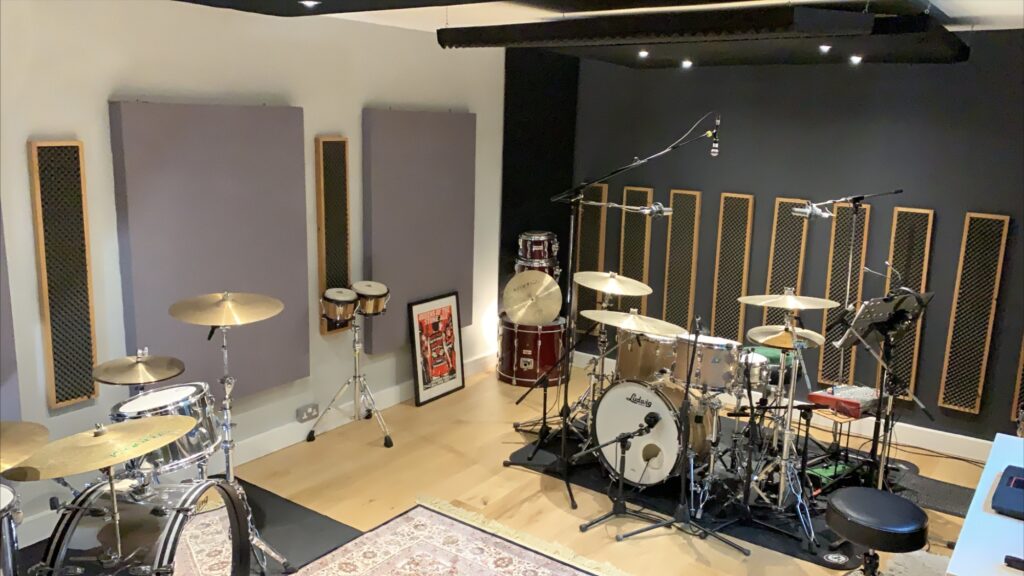
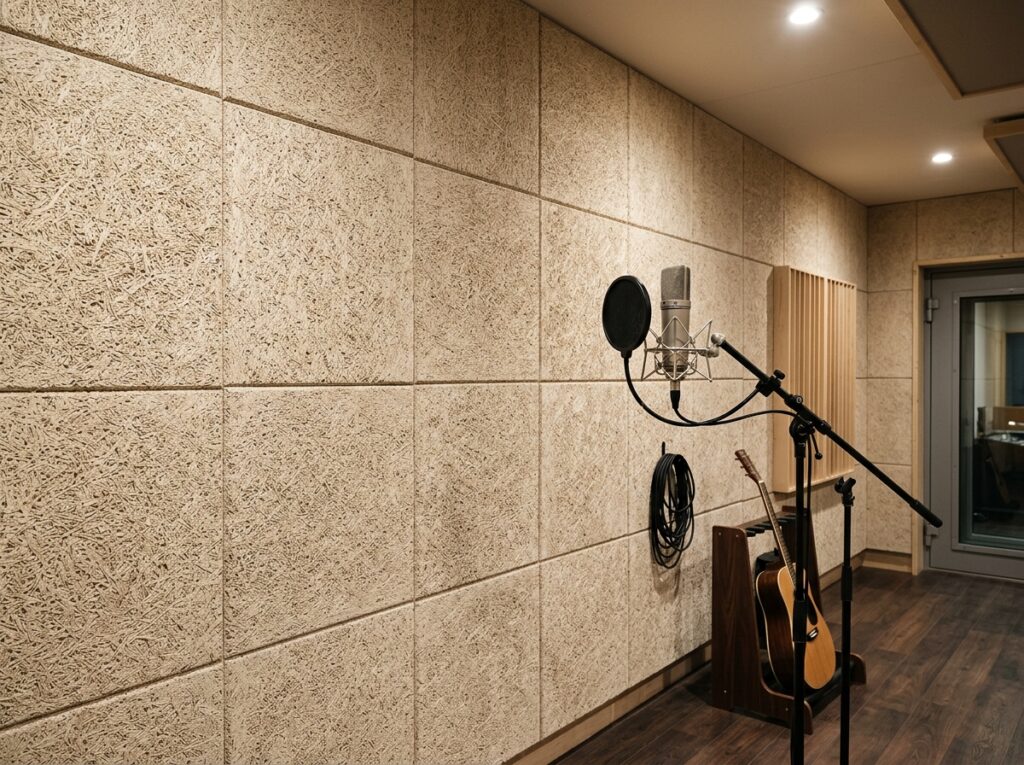
As Rwanda continues to develop its commercial, hospitality, educational, and residential infrastructure, interior comfort has become an increasingly important part of modern building design. Offices, hotels, restaurants, conference facilities, schools, and public buildings often combine concrete, glass, tile, and other hard finishes that can produce excessive sound reflections.
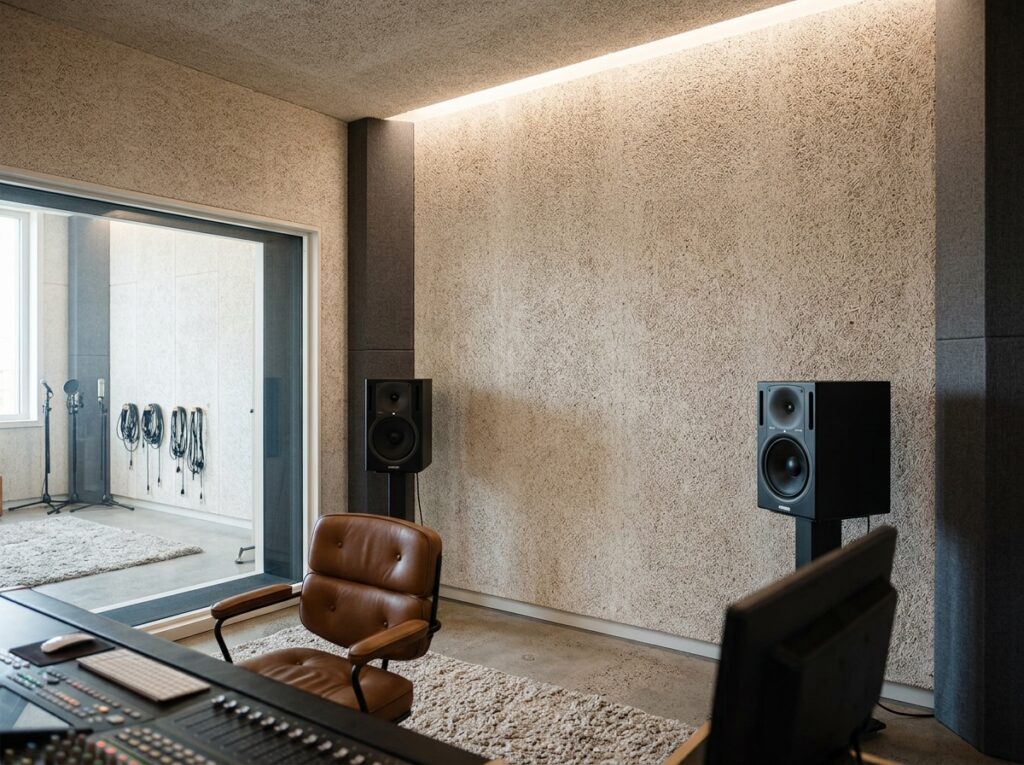
Acoustic wood wool panels provide a practical way to manage these reflections while adding a textured architectural finish. Their distinctive fibre structure helps absorb unwanted sound, making them suitable for spaces where echo, reverberation, and poor speech clarity can affect the overall indoor experience.
For projects in Kigali and other growing areas of Rwanda, wood wool acoustic panels can combine functional sound absorption with a natural and contemporary appearance.
What Are Wood Wool Acoustic Panels?
Wood wool acoustic panels are rigid boards manufactured from fine wood fibres bonded together with a suitable binder. The resulting material has a porous, textured surface that can absorb sound energy.
When sound reaches a conventional hard surface, much of it is reflected back into the room. Wood wool panels provide a more absorbent surface, helping reduce the amount of sound that continues bouncing around the space.
They are therefore primarily used to manage:
- Echo
- Reverberation
- Sound reflections
- Speech reflections
- General acoustic discomfort
The Acoustic Principle Behind Wood Wool
The unique structure of wood wool is one of the main reasons it works as an acoustic material.
The small fibres create an open surface through which sound energy can enter. As sound travels through the structure, part of its energy is dissipated rather than being completely reflected back into the room.
This can result in a more controlled acoustic environment.
The final performance depends on factors such as:
- Panel thickness
- Installation method
- Surface coverage
- Room dimensions
- Existing finishes
- Furniture
- Ceiling height
Why Choose Acoustic Wood Wool Panels?
Natural-Looking Texture
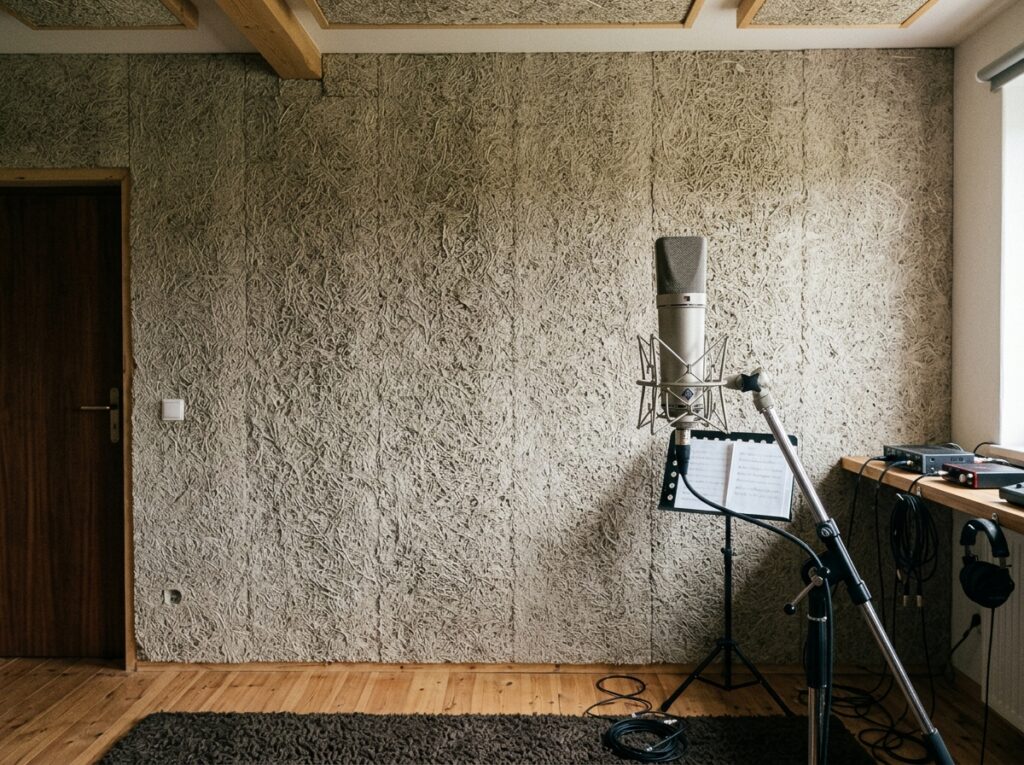
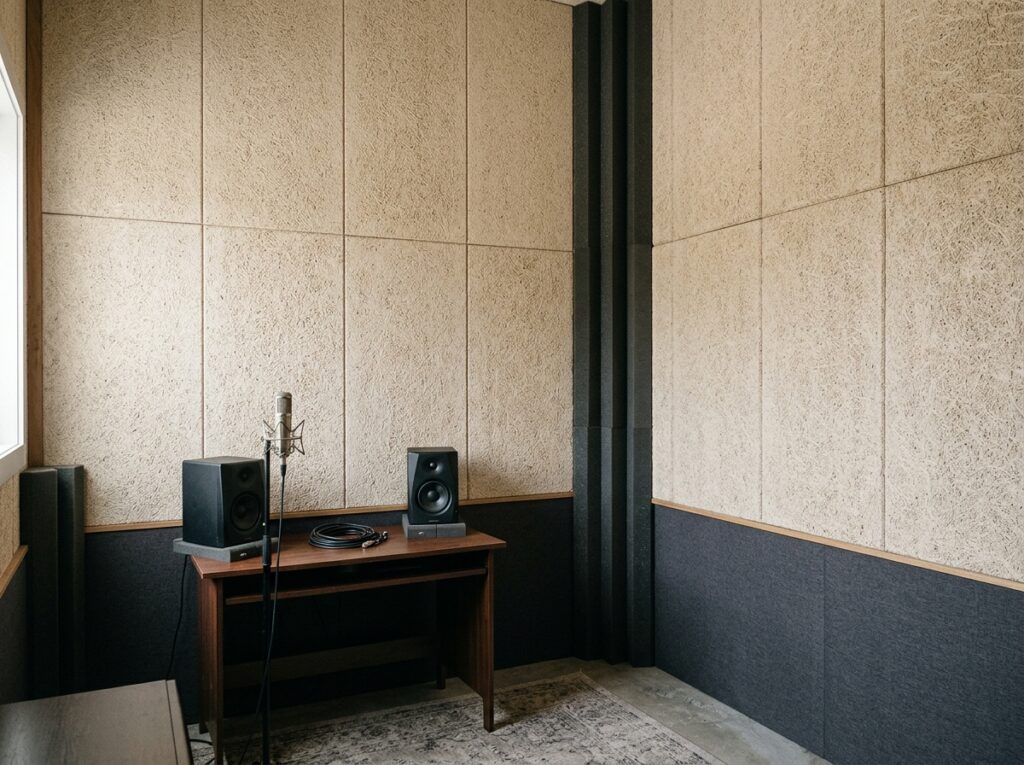
The visible wood fibres give the panel a distinctive appearance that can add warmth and depth to modern interiors.
Sound Absorption
Wood wool panels can help reduce excessive reflections and reverberation, making rooms more acoustically comfortable.
Architectural Appeal
Instead of hiding acoustic treatment, designers can use the textured surface as part of the interior concept.
Durable Construction
The rigid structure makes wood wool panels suitable for commercial and institutional environments when correctly installed.
Design Flexibility
Depending on the selected system, panels can be available in different:
- Thicknesses
- Colours
- Sizes
- Configurations
- Surface arrangements
- Wall and ceiling applications
Applications of Wood Wool Panels
Wood wool acoustic panels can be used across many different building types.
Corporate Offices
Open-plan offices often have multiple conversations happening at once. Reflections from hard surfaces can make the environment feel noisy.
Wood wool panels can help control these reflections and create a more comfortable workspace.
Hotels
Hospitality spaces require both attractive interiors and acoustic comfort. Panels can be incorporated into hotel lobbies, restaurants, lounges, conference rooms, and shared areas.
Schools and Universities
Classrooms and lecture rooms depend on clear speech. Excessive reverberation can make it harder for students to understand spoken instruction.
Wood wool panels can help create a more controlled learning environment.
Restaurants
Busy restaurants can become loud due to conversations, music, furniture movement, and reflective surfaces. Acoustic treatment can help reduce the buildup of sound.
Residential Interiors
Wood wool panels can also be used in home offices, living spaces, entertainment rooms, and other areas where reducing echo is desirable.
Wood Wool Panels for Modern Offices in Kigali
Kigali has become an important centre for business, tourism, hospitality, education, and commercial development. Contemporary offices often incorporate open layouts and hard architectural finishes that can create acoustic challenges.
Wood wool panels can be integrated into these spaces without compromising their modern appearance.
Potential applications include:
- Reception areas
- Meeting rooms
- Conference rooms
- Open workspaces
- Collaboration areas
- Training rooms
A carefully designed wall or ceiling installation can provide acoustic treatment while also creating an architectural focal point.
Enhancing Hospitality Interiors
Hotels and restaurants depend heavily on atmosphere. While elegant stone, glass, and other hard finishes can contribute to a sophisticated visual style, they may also increase sound reflection.
Wood wool panels provide an opportunity to introduce acoustic absorption while maintaining an attractive interior.
They can be incorporated into:
Hotel Lobbies
Large reception areas can benefit from acoustic treatment where sound tends to travel across open spaces.
Restaurants
Panels can help control reverberation while becoming part of the restaurant’s decorative concept.
Conference Facilities
Meeting and event spaces can use acoustic panels to support clearer speech and presentations.
Lounges
Wood wool’s textured appearance can complement warm furniture, lighting, and natural materials.
Ceiling Applications
Walls are not the only surfaces that contribute to room reverberation.
In many modern interiors, ceilings provide a large uninterrupted reflective surface.
Wood wool panels can be installed across suitable ceiling areas to provide additional sound absorption.
Ceiling treatment can be particularly useful when:
- Wall space is limited
- Large glass surfaces are present
- Furniture cannot provide sufficient absorption
- The room has a high ceiling
- The interior contains many hard finishes
A combination of wall and ceiling treatment can provide broader acoustic coverage.
Selecting the Right Wood Wool Panel
Choosing the appropriate panel requires consideration of both acoustic and visual requirements.
Panel Thickness
Thickness can influence acoustic performance, so the appropriate specification should be selected according to the room’s needs.
Installation Location
Determine whether the panels will be installed on walls, ceilings, or other suitable surfaces.
Amount of Coverage
The required quantity depends on the size and acoustic characteristics of the room.
Colour
The panel colour should complement the existing interior rather than appearing disconnected from the overall design.
Room Purpose
An office, classroom, restaurant, conference room, and auditorium can each have different acoustic requirements.
Wood Wool Panels Are Not Traditional Soundproofing Barriers
It is important to distinguish between sound absorption and sound isolation.
Wood wool panels primarily absorb sound inside a room. They help reduce reflections and reverberation but do not completely block noise travelling through a wall.
For soundproofing between rooms, additional construction materials may be required, such as:
- Mass Loaded Vinyl
- Acoustic insulation
- Multiple drywall layers
- Resilient channels
- Acoustic sealants
- Soundproof doors
- Acoustic glazing
The correct combination depends on the type of noise and the construction of the building.
Maintenance of Wood Wool Acoustic Panels
Maintaining wood wool panels is generally straightforward.
For routine care:
- Remove dust with a soft brush.
- Use a suitable vacuum attachment when necessary.
- Clean minor marks carefully.
- Avoid excessive water.
- Avoid harsh abrasive chemicals.
- Inspect panels periodically for damage.
Following the manufacturer’s cleaning and maintenance recommendations is important for preserving the product.
Frequently Asked Questions
Are wood wool panels good for reducing echo?
Yes. Their porous fibre structure is designed to absorb reflected sound and help reduce reverberation.
Can wood wool panels be installed on ceilings?
Yes. Ceiling installation is a common application and can provide significant acoustic coverage in large rooms.
Are wood wool panels suitable for restaurants?
Yes. They can help control sound reflections caused by conversations, music, and hard interior surfaces.
Can wood wool panels be used in offices?
Yes. They can be used in open-plan offices, conference rooms, meeting spaces, and reception areas.
Do wood wool panels block noise from neighbouring rooms?
Not by themselves. They primarily provide sound absorption. A dedicated sound isolation system is required when the goal is to reduce sound transmission between rooms.
Conclusion
Acoustic wood wool panels combine functional sound absorption with a distinctive architectural appearance. Their textured fibre surface can help reduce echo and reverberation while providing designers with an attractive alternative to conventional acoustic finishes.
For offices, hotels, restaurants, educational facilities, conference spaces, and residential interiors in Kigali and across Rwanda, wood wool panels can provide a versatile way to improve indoor acoustic comfort.
Whether installed across a feature wall, incorporated into a ceiling, or combined with other acoustic materials, wood wool panels can help create spaces that are easier to communicate in while maintaining a modern and natural interior aesthetic.