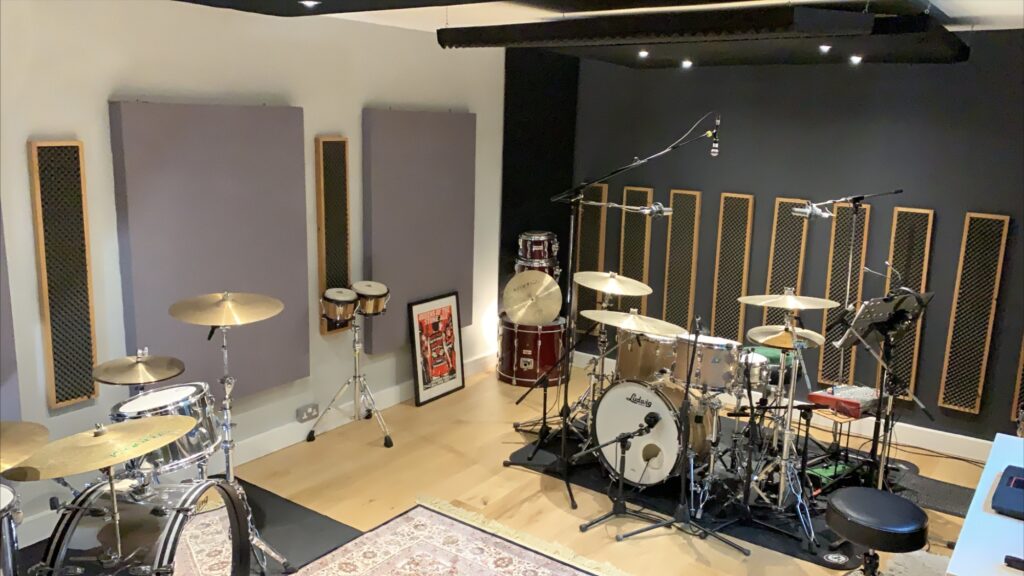
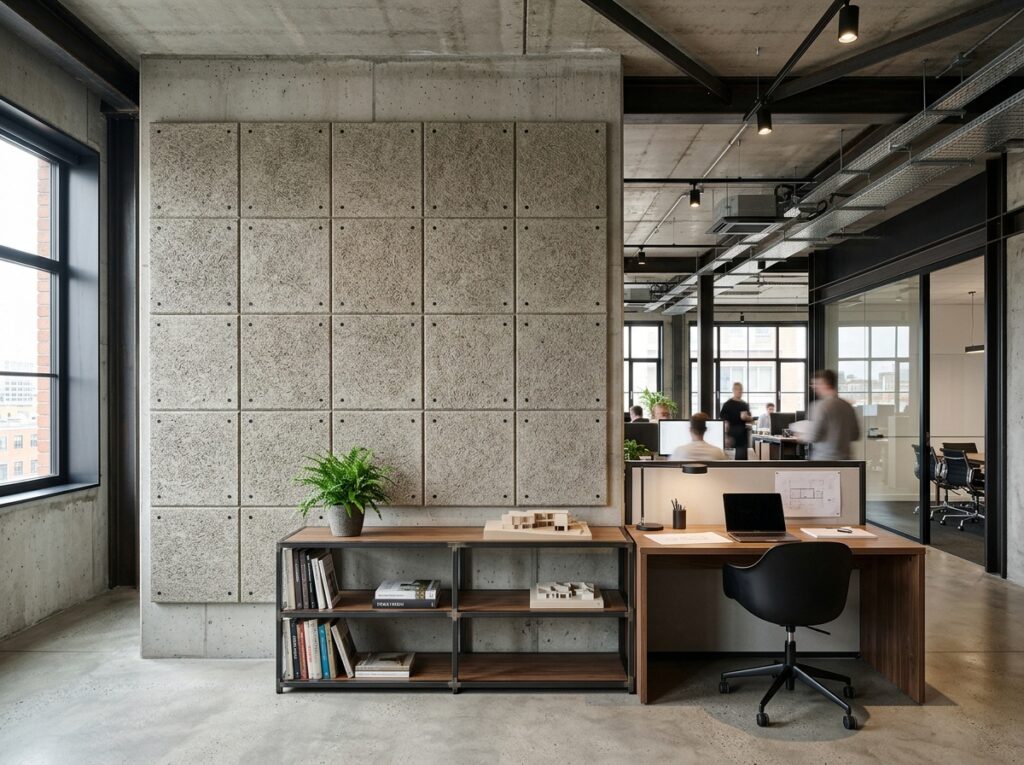
The rapid development of commercial buildings, hospitality projects, educational facilities, and residential properties in Oman has increased the importance of creating comfortable indoor environments. Modern architecture often relies on concrete, glass, stone, and other hard finishes, which can cause sound to reflect throughout a room and create excessive reverberation.
Acoustic wood wool panels offer a practical way to manage these reflections while introducing a distinctive textured finish. Their combination of wood fibres, acoustic performance, and durable construction makes them suitable for a wide range of interior applications.
From offices and hotels in Muscat to schools, restaurants, conference facilities, and residential developments, wood wool panels can provide both acoustic functionality and architectural character.
What Are Acoustic Wood Wool Panels?
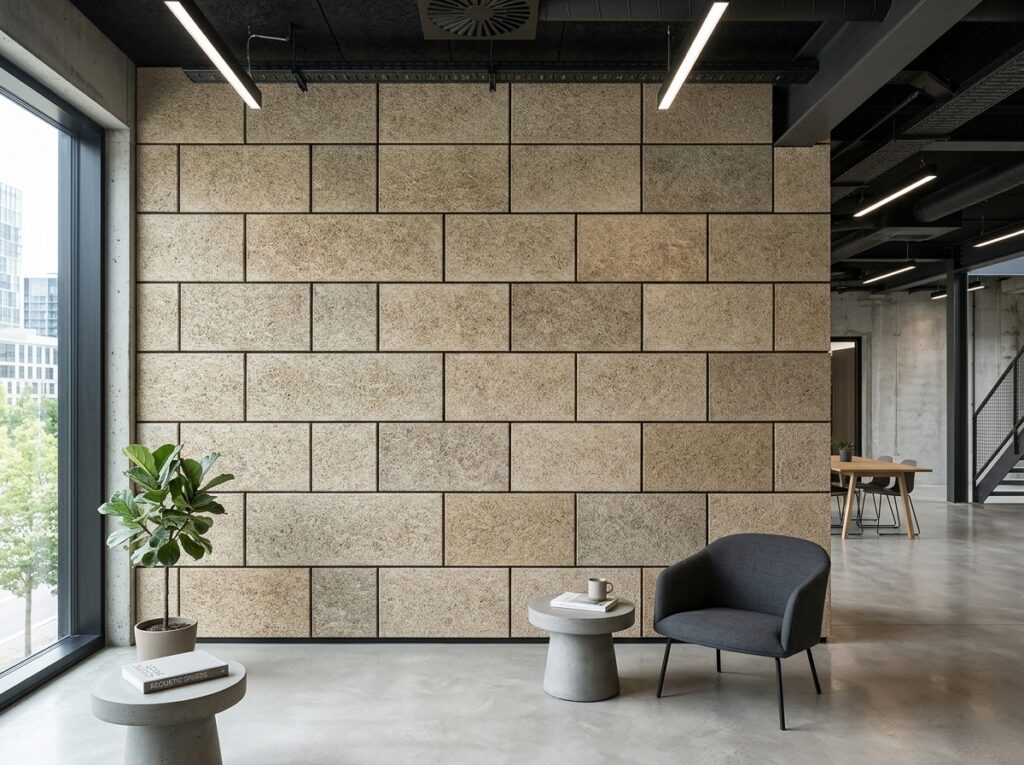
Acoustic wood wool panels are rigid acoustic boards manufactured using fine wood fibres combined with a mineral-based binder. The fibres create an open, textured surface that helps absorb sound energy rather than allowing it to continuously reflect from hard interior surfaces.
The panels are commonly used to improve room acoustics by reducing:
- Reverberation
- Echo
- Sound reflections
- Excessive background noise
They can be installed on walls or ceilings depending on the requirements of the space.
What Makes Wood Wool Different?
Wood wool panels have a distinctive appearance that separates them from many conventional acoustic products.
Instead of hiding the acoustic material behind another finish, the textured wood-fibre surface can become part of the interior design.
This makes the panels particularly suitable for projects where acoustic performance and visual appearance need to work together.
Their natural-looking texture can complement:
- Contemporary interiors
- Wood finishes
- Industrial designs
- Minimalist spaces
- Hospitality environments
- Educational buildings
Key Benefits of Acoustic Wood Wool Panels
Effective Reverberation Control
The porous structure of wood wool helps absorb reflected sound, reducing excessive reverberation in rooms with hard surfaces.
This can make conversations easier to understand and create a more comfortable acoustic environment.
Distinctive Architectural Texture
The visible wood fibres provide depth and texture, allowing the panels to function as a decorative architectural element rather than simply a technical acoustic product.
Durable Construction
Wood wool boards are designed for long-term interior applications and can withstand everyday use when properly installed and maintained.
Design Flexibility
Depending on the available product range, panels can be selected in different:
- Thicknesses
- Colours
- Sizes
- Surface configurations
- Wall arrangements
- Ceiling layouts
Suitable for Large Spaces
Their ability to cover substantial wall or ceiling areas makes wood wool panels useful for larger environments such as halls, classrooms, offices, and hospitality spaces.
Where Can Wood Wool Panels Be Used?
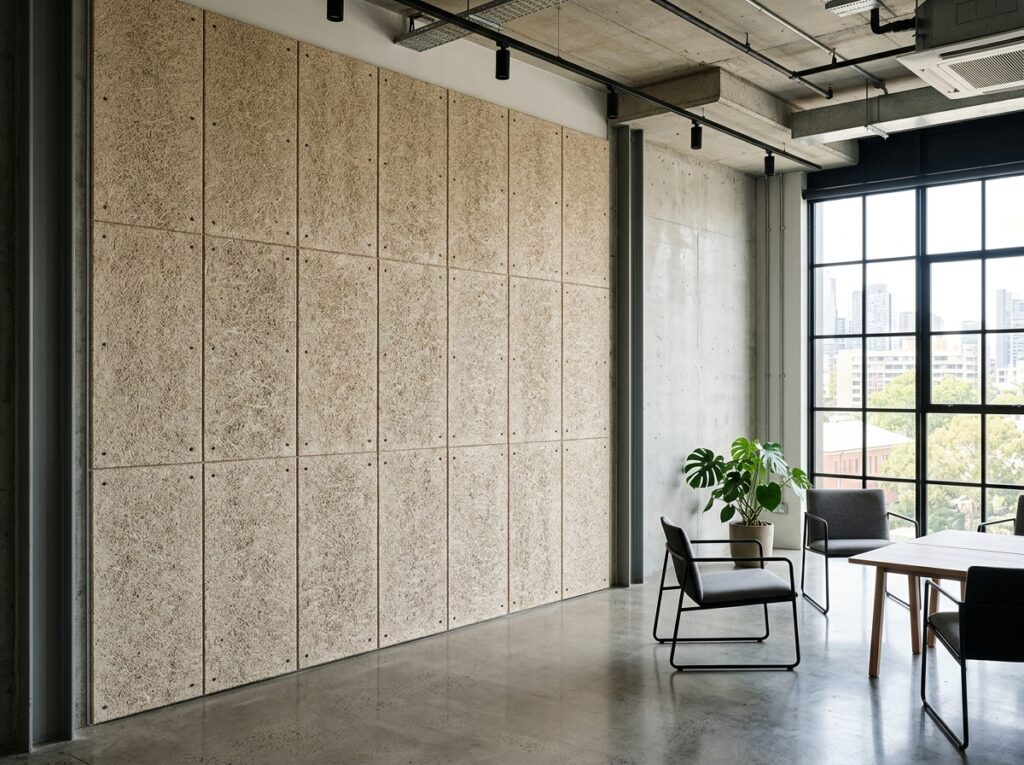
The versatility of acoustic wood wool makes it suitable for many types of interiors.
Offices
Open-plan offices can experience significant sound buildup when several conversations take place simultaneously. Wood wool panels can help reduce reflected sound and improve acoustic comfort.
Hotels
Guest areas, conference rooms, restaurants, lounges, and reception spaces can benefit from acoustic treatment that complements premium interior designs.
Schools and Universities
Classrooms, lecture rooms, libraries, and training facilities depend on clear speech. Controlling excessive reverberation can help create more suitable learning environments.
Restaurants and Cafés
Large dining areas with hard floors, walls, and ceilings can become noisy during busy periods. Acoustic panels can help control sound reflections while contributing to the interior aesthetic.
Residential Spaces
Wood wool panels can also be incorporated into home offices, entertainment rooms, living spaces, and other areas where better room acoustics are desired.
Acoustic Wood Wool Panels for Offices and Commercial Buildings
Commercial interiors increasingly use open layouts to maximize usable space. However, these layouts can create acoustic challenges when sound travels freely across the room.
Strategically positioned wood wool panels can help reduce reflected sound from ceilings and walls.
In meeting rooms, they can contribute to clearer conversations and presentations. In larger offices, they can help control general reverberation and make the workspace more comfortable.
Creating Better Hospitality Environments
Hotels and restaurants place considerable emphasis on atmosphere and interior appearance. Excessive background noise can negatively affect that experience.
Wood wool panels offer an opportunity to introduce acoustic treatment without sacrificing visual design.
They can be incorporated into:
- Hotel lobbies
- Restaurants
- Café interiors
- Lounges
- Conference rooms
- Event spaces
- Reception areas
The textured surface can complement wood, stone, metal, and other architectural finishes.
Wood Wool Panels in Educational Spaces
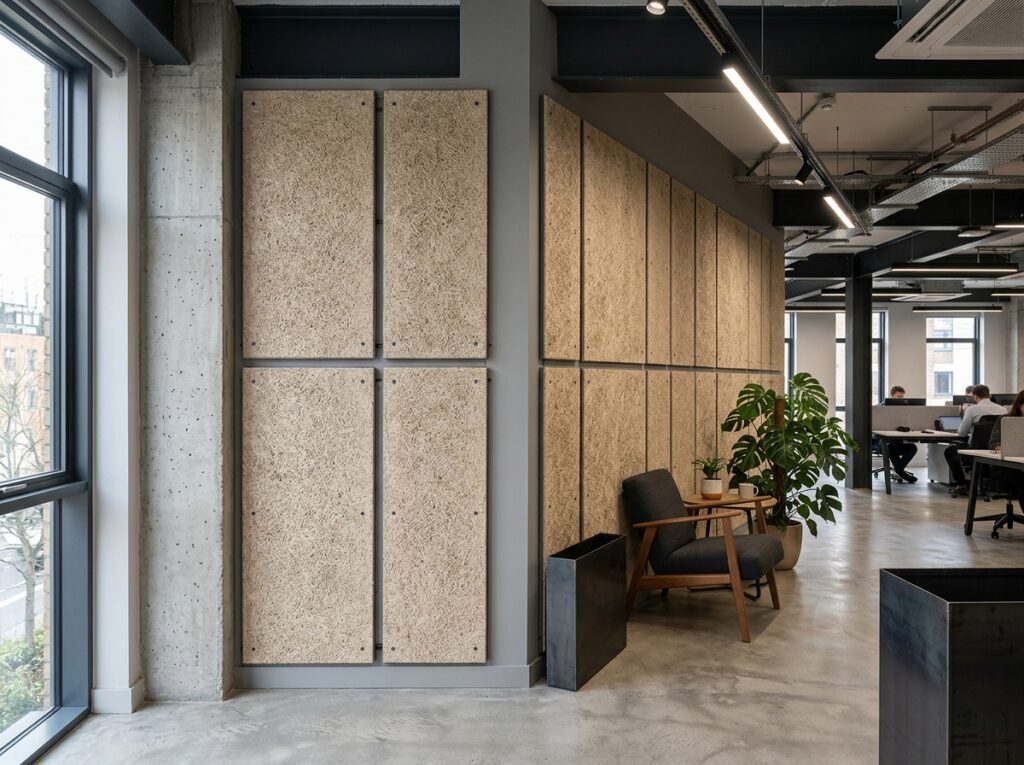
Learning environments require good speech intelligibility. When sound reflects excessively from walls and ceilings, students may find it harder to understand spoken instruction.
Wood wool panels can help reduce these reflections in:
- Classrooms
- Lecture theatres
- Libraries
- Training rooms
- University buildings
- Multipurpose halls
By creating a more controlled acoustic environment, they can support clearer communication between teachers, students, and presenters.
Wood Wool Panels in Muscat and Oman
Muscat combines modern commercial developments with hotels, educational facilities, healthcare buildings, restaurants, and residential projects. As these interiors increasingly adopt contemporary architectural materials, acoustic planning becomes an important consideration.
Wood wool panels provide an option for incorporating sound absorption directly into the architectural design.
Beyond Muscat, they can also be considered for projects in cities such as Salalah, Sohar, and Nizwa, depending on the requirements of the building.
Choosing the Appropriate Wood Wool Panel
Selecting an acoustic panel should be based on the characteristics of the room rather than appearance alone.
Important factors include:
Thickness
Different panel thicknesses can provide different levels of acoustic absorption. The appropriate thickness depends on the room’s acoustic requirements.
Wall or Ceiling Placement
The location of the panels can influence their effectiveness. Ceiling installations can be particularly useful when wall space is limited.
Surface Coverage
The amount of acoustic material required depends on the size, shape, furnishings, and reflective surfaces within the room.
Colour and Design
Wood wool panels can be selected to complement the overall interior concept rather than appearing as an isolated acoustic feature.
Room Function
The acoustic requirements of a classroom, restaurant, office, studio, and conference room can vary considerably.
Wood Wool Panels and Soundproofing
Acoustic absorption and soundproofing are two different concepts.
Wood wool panels primarily help absorb sound within a room. They reduce reflections and reverberation but are not intended to completely prevent sound from passing through a wall.
For projects requiring sound isolation between rooms, wood wool panels can be combined with other construction materials such as:
- Acoustic insulation
- Mass Loaded Vinyl
- Gypsum board
- Resilient systems
- Acoustic sealants
- Soundproof doors
Using the appropriate combination of materials allows different acoustic problems to be addressed as part of a complete system.
Maintenance and Care
Wood wool panels require relatively straightforward maintenance.
To keep them in good condition:
- Remove dust using a soft brush or vacuum.
- Clean minor marks carefully with a suitable damp cloth.
- Avoid excessive moisture.
- Do not use abrasive cleaning chemicals.
- Inspect panels periodically for physical damage.
- Follow the manufacturer’s maintenance recommendations.
Proper care helps maintain both the visual appearance and acoustic properties of the panels.
Frequently Asked Questions
Are wood wool panels suitable for offices?
Yes. They can help control echo and reverberation in open offices, meeting rooms, conference spaces, and other commercial interiors.
Can wood wool panels be installed on ceilings?
Yes. Ceiling installation is a common application and can provide useful acoustic coverage in large rooms.
Do wood wool panels block outside noise?
Not by themselves. They primarily absorb reflected sound inside a room. Noise transmission through walls, ceilings, or floors requires a dedicated soundproofing system.
Are wood wool panels suitable for restaurants?
Yes. They can help control the reverberation created by conversations, music, furniture, and hard interior finishes.
Can wood wool panels be decorative?
Yes. Their textured surface can become an important part of the architectural design, particularly in feature walls and ceilings.
Conclusion
Acoustic wood wool panels provide a combination of sound absorption, durability, and distinctive architectural appearance. Their textured wood-fibre surface allows acoustic treatment to become an integrated part of modern interior design rather than simply a hidden technical component.
For offices, schools, hotels, restaurants, conference facilities, and residential interiors across Oman, these panels can help reduce excessive reverberation and create more comfortable spaces with clearer communication.
Whether incorporated into a contemporary office in Muscat, a hospitality project in Salalah, or an educational facility elsewhere in Oman, acoustic wood wool panels offer a versatile approach to improving interior acoustics while maintaining a visually appealing environment.