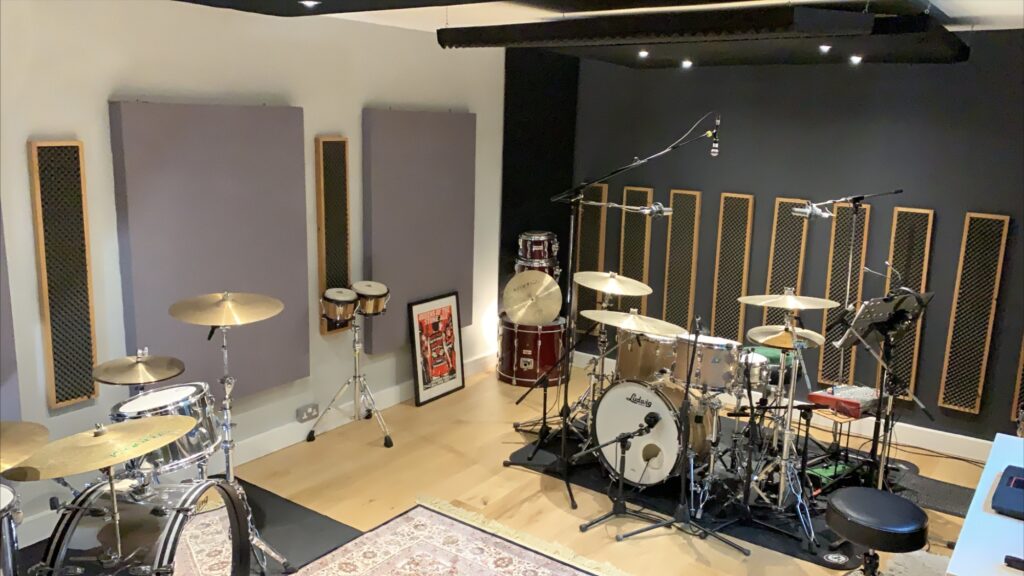
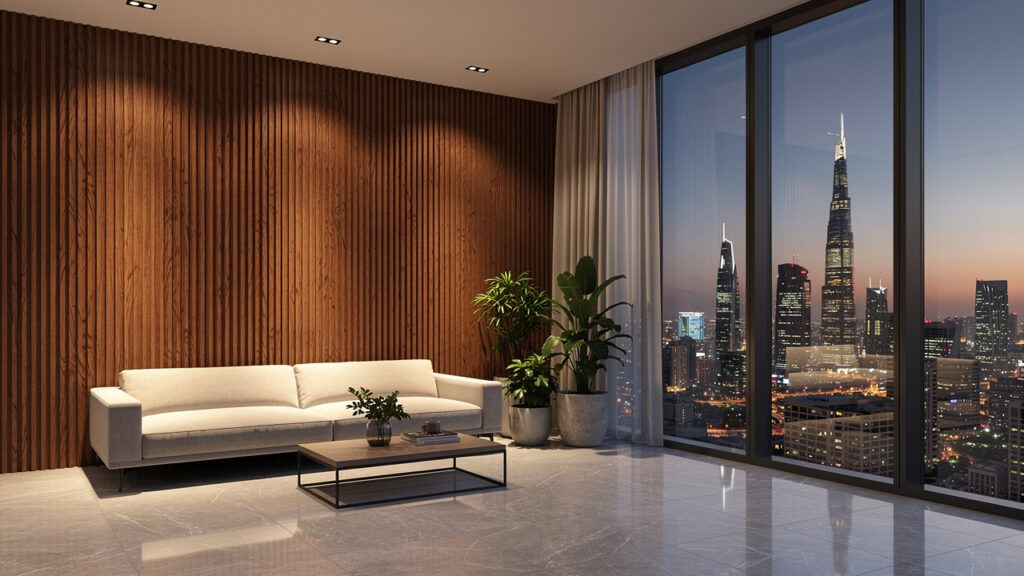
Modern Dubai apartments and offices look stunning but often sound harsh, echoey, and tiring.
Every phone call, movie, or meeting seems louder than it should, and background noise keeps building through the day.
Glass walls, marble floors, and open plans bounce every sound around.
Noise quickly builds up, especially in busy homes and shared workspaces, so it feels hard to relax or focus.
Acoustic wood panels are trending in Dubai interiors because they calm this echo while still looking premium. These are engineered wood wall or ceiling panels with acoustic backing that absorb sound instead of reflecting it. In this article, you will see why Dubai’s interiors are driving demand, how the panels work, where they are used, why they balance beauty with performance, and how Waseem Technical designs systems that fit UAE spaces.
Keep reading to see how these panels can change the feel of homes and commercial interiors across the UAE.
Key Takeaways
Before going further, it helps to see the main ideas you will walk away with from this guide.
Hard, reflective finishes create serious echo in Dubai interiors. Dubai’s love for marble floors, glass facades, and open layouts creates strong echo and noise build-up. This affects apartments in Downtown Dubai, towers in Business Bay, and even villas across the wider UAE. Acoustic treatment is now becoming a normal part of interior planning instead of a luxury extra.
Acoustic wood panels trending in Dubai interiors solve sound and style together. They reduce reverberation so speech is clearer and rooms feel calmer. At the same time they look like high‑end wall cladding that fits luxury hotels, offices, and homes.
Wood-based acoustic materials support Dubai’s green building direction. Wood wool panels use natural fibers, cement, and water with very low emissions. That fits the UAE Net Zero 2050 goals promoted by the UAE Ministry of Climate Change and Environment while still delivering strong acoustic performance.
Professional design and installation change the acoustic result. Panel spacing, backing material, and placement all affect the Noise Reduction Coefficient (NRC). Poor installation can cut acoustic performance even when the panel itself is high quality.
Waseem Technical is a specialist partner for soundproofing and acoustics in the UAE and GCC. With more than 13 years of experience, CNC precision cutting, and a Free Acoustic Check, the team guides homeowners, designers, and facility managers from first idea to long‑term maintenance.
Why Dubai’s Interiors Are Driving Demand for Acoustic Wood Panels
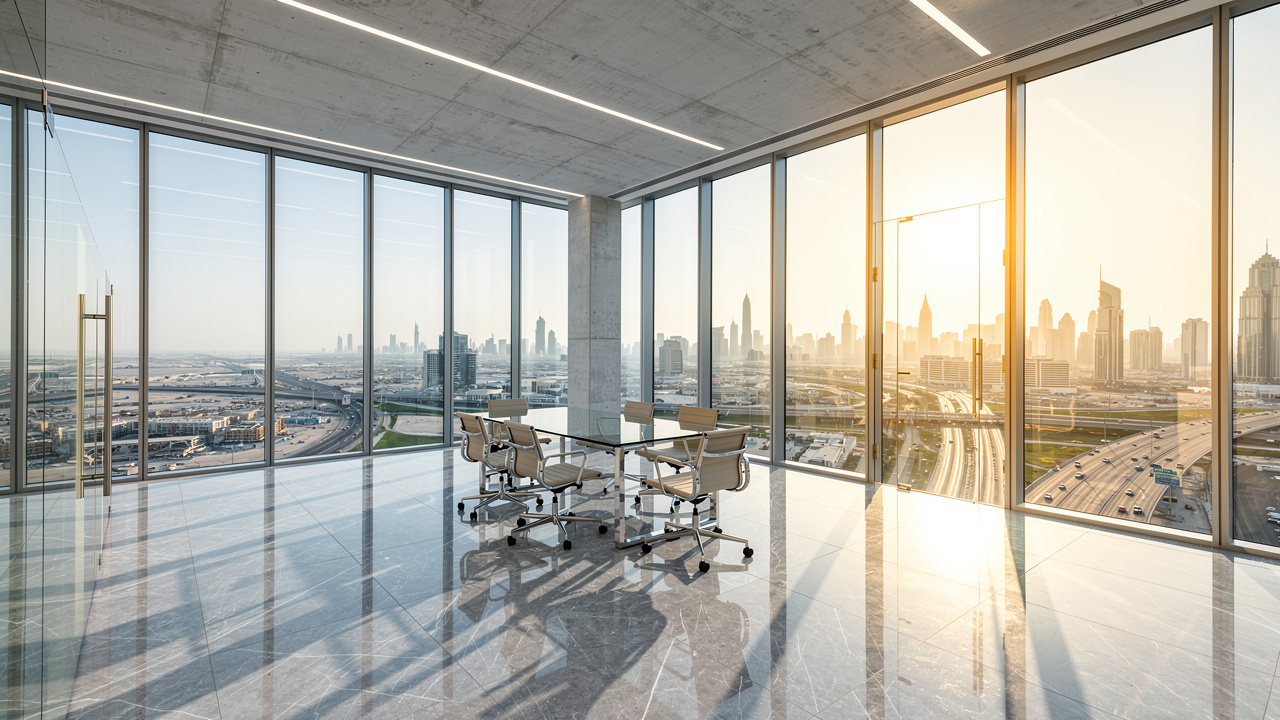
Dubai’s glossy interiors are driving strong demand for acoustic wood panels because hard surfaces and open layouts create serious echo. Apartments in Downtown Dubai, offices in DIFC, and lounges at Dubai Marina often share the same issue. Sound bounces between concrete slabs, glass, and stone, so even normal conversations feel loud.
The problem usually comes from a mix of factors:
Large rooms with high ceilings
Wide glass areas and stone or tile floors
Minimal soft furnishings and curtains
Open‑plan layouts where several activities happen at once
According to the World Health Organization, long‑term exposure to environmental noise increases risks for heart disease and sleep disturbance. That shows why controlling sound is not only a comfort issue but also a health topic. When you place those health concerns inside dense districts like Business Bay, the need for better acoustics becomes very clear.
Environmental noise is more than a minor irritation; it is a serious health risk when people are exposed over long periods.
Source: World Health Organization
Remote and hybrid work have also changed how people use their homes and offices. Studies summarized by Harvard Business Review show that unwanted noise is one of the top complaints in open offices. In many Dubai towers, the same glass partitions and tiled floors that look premium during a viewing make video calls and focused work harder once people move in.
Typical complaints include:
Echo on video calls, even with good microphones
Colleagues overhearing private conversations
Fatigue and headaches after long days in noisy open spaces
The hospitality sector adds more pressure. Busy restaurants on Palm Jumeirah, hotel lobbies near Dubai Creek, and co-working hubs in Dubai Internet City need lively energy without painful noise — a challenge addressed by studies on Characterization of sound absorption in architectural facades at oblique incidence, highlighting how panel placement and angle affect real-world performance. Acoustic wood panels trending in Dubai interiors give designers a way to control sound while keeping the polished look that guests expect.
What Are Acoustic Wood Panels and How Do They Work?
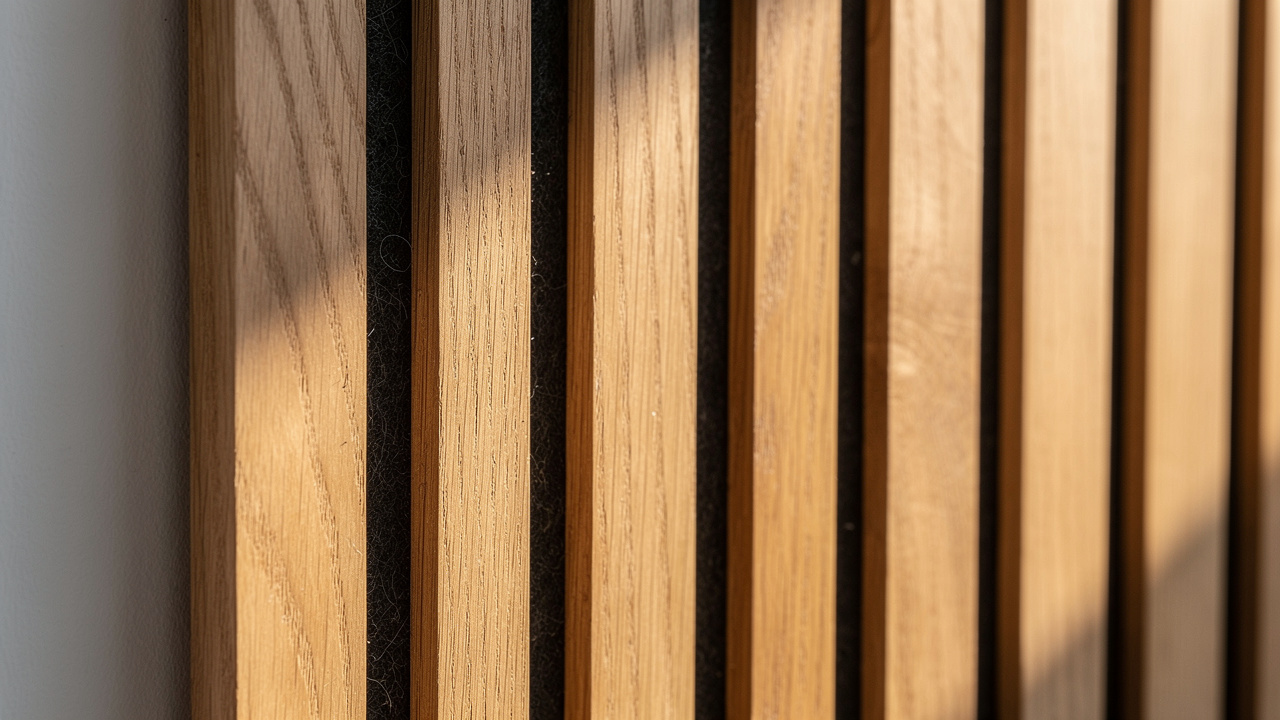
Acoustic wood panels are engineered wall or ceiling panels that manage sound instead of just decorating a surface. They usually combine a visible wood face with grooves or perforations and a hidden acoustic backing. Together, these parts absorb sound waves, cut echo, and improve speech clarity.
Most systems include three main layers:
Visible wood surface – solid slats, veneer on MDF, or textured wood wool that sets the look of the room
Grooves, slots, or perforations – openings that let sound travel behind the surface instead of bouncing straight back
Acoustic backing – materials such as acoustic felt or wood wool with open pores that convert sound energy into a tiny amount of heat
The wood face can be solid slats, veneer on MDF, or textured wood wool. Behind that layer, Waseem Technical uses materials like acoustic felt or wood wool with open pores. Sound that enters the grooves or holes travels into this backing, where the energy turns into tiny amounts of heat. The result is less sound bouncing back into the room.
Performance is often described with the Noise Reduction Coefficient (NRC). According to the Acoustical Society of America, an NRC of 0.8 means a material absorbs about 80 percent of the sound energy that hits it. Waseem Technical’s wood wool acoustic panels, made with Fibrolith boards from Germany, reach NRC values between 0.8 and 1.0, which puts them among the highest‑performing options used in UAE interiors.
Different panel designs suit different spaces:
Slatted panels give a linear, Scandinavian look that suits modern Dubai interiors.
Perforated veneer panels feel more formal and are common in boardrooms and auditoriums.
Wood wool panels combine a softer, natural texture with very strong acoustic and thermal performance, ideal for schools, studios, and multi‑purpose halls.
To help compare options, it is useful to think about where each type works best:
| Panel Type | Typical Look | Best For |
|---|---|---|
| Slatted timber | Clean lines, warm modern feel | Living rooms, home offices, reception areas |
| Perforated veneer | Smart, formal appearance | Boardrooms, conference halls, training rooms |
| Wood wool | Textured, natural surface | Schools, studios, sports halls, multipurpose spaces |
Where Acoustic Wood Panels Are Being Used Across Dubai
Across Dubai interiors, acoustic wood panels now appear in apartments, villas, offices, hotels, schools, and studios. Designers use them anywhere echo, privacy, or comfort is a concern, and A short review of the impact of wooden panels on room acoustics confirms that their placement significantly shapes reverberation outcomes across diverse interior types. The same panels that quieten a home cinema in Arabian Ranches can also improve a meeting room in Business Bay.
Here is a quick view of how different spaces use them.
| Space Type | Main Reason People Install Panels |
|---|---|
| Living rooms | Calm echo and improve TV and music clarity |
| Home offices | Reduce noise for calls and focus |
| Restaurants and cafes | Soften background chatter |
| Offices and coworking | Improve privacy and reduce fatigue |
| Schools and studios | Make speech clearer and recording cleaner |
Residential and Commercial Applications in Dubai
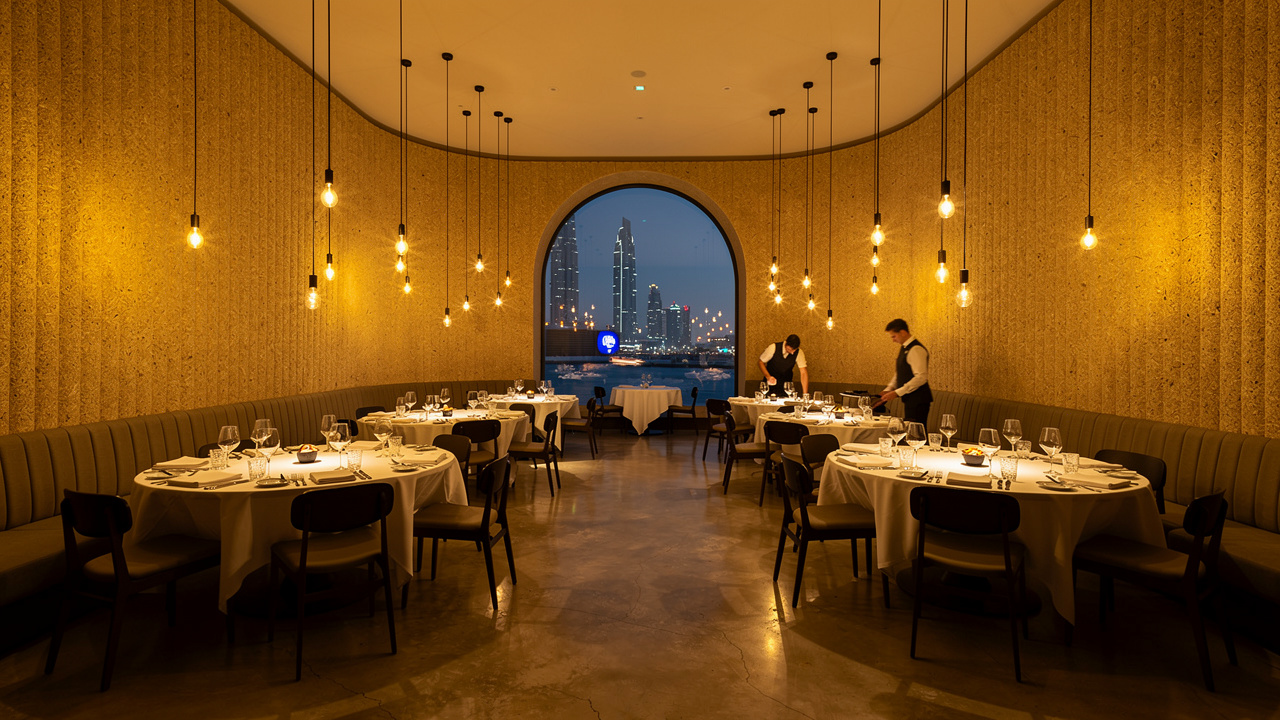
In residential towers from Jumeirah Lake Towers to Downtown Dubai, open‑plan living rooms with high ceilings can feel like echo chambers. A single feature wall of acoustic wood panels behind the sofa or TV area cuts that echo and gives the room a warm focal point. Home cinemas gain even more because better control of reflections brings out dialogue and surround effects without raising the volume.
Typical residential uses include:
Living rooms where family conversations clash with TV sound
Home cinemas and media rooms that need clear dialogue
Stairwells and double‑height spaces that suffer from long echo
Bedrooms near busy streets, where softer interiors help people rest
Home offices across the UAE also benefit from this trend. When one family member is on a Zoom call and another is watching TV in the next room, noise quickly becomes a problem. Acoustic wood panels trending in Dubai interiors help by absorbing reflections inside the office and slightly reducing sound bleed through partition walls when combined with other treatments.
On the commercial side, boardrooms in DIFC, co‑working hubs in Dubai Silicon Oasis, and clinics along Sheikh Zayed Road rely on clear, private conversation. Panels placed on the walls around the main seating area cut reverberation so voices sound sharper and less tiring. Restaurants in Dubai Marina and City Walk use wood panels on ceilings and walls, which keeps energy in the room while reducing the harsh clatter that often comes with full bookings.
Waseem Technical has handled projects from small Downtown Dubai apartments to large commercial fit‑outs in Business Bay. That range helps the team recommend where panels matter most in each type of interior, instead of simply covering every surface.
Why Acoustic Wood Panels Combine Beauty With Performance

Acoustic wood panels are trending in Dubai interiors because they look like luxury wall finishes while quietly improving sound. Many people first choose them for visual impact, then notice how much calmer the room feels once they are installed. This balance between style and function suits a city that cares deeply about both design and comfort.
For design, the options are wide. Waseem Technical supplies veneered acoustic panels in warm walnut, light oak, and other popular species that suit villas in Arabian Ranches or apartments in Bluewaters Island. Colored or painted finishes work well in creative offices at Dubai Design District, where brand colors and bold feature walls matter as much as acoustic control.
Texture also plays a big part. Wood wool acoustic panels have a soft, fibrous surface that fits biophilic design approaches promoted by groups like the International WELL Building Institute. Research that WELL highlights links natural materials indoors with reduced stress and better comfort for occupants. In a city filled with glass and steel, a wall of natural wood texture can make a room feel more grounded.
Sustainability is another reason this material is gaining popularity. Wood wool boards from Fibrolith use natural wood fibers, cement, and water, and they are recyclable at the end of their life. According to the European Environment Agency, environmental noise and emissions are major pressures on health in modern cities, so materials that improve both energy use and sound conditions are getting more attention from architects. Acoustic wood panels fit neatly into that demand.
To sum up, these panels give:
Visual impact – warm timber tones, clean lines, and rich textures
Acoustic comfort – lower echo, clearer speech, and reduced listening fatigue
Environmental benefits – natural fibers, durable materials, and support for UAE Net Zero 2050 goals
How Waseem Technical Delivers Custom Acoustic Wood Panel Systems in Dubai
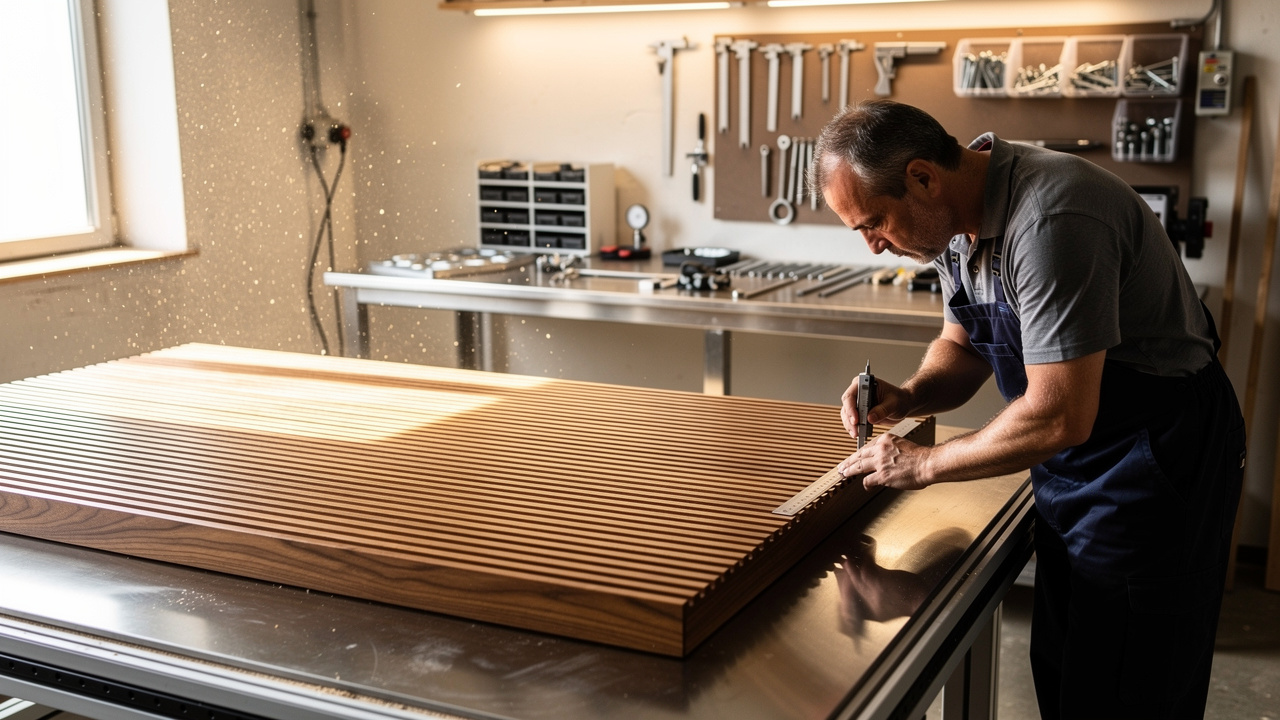
Waseem Technical delivers acoustic wood panel projects in Dubai through careful study of each room, precise fabrication, and professional installation. The company focuses only on soundproofing and acoustics across the UAE and GCC, so every step is shaped around real acoustic performance instead of quick decoration.
The process usually follows four clear stages:
Free Acoustic Check And Assessment
A certified acoustic consultant visits the space, listens to the problems, and measures key data like reverberation time. Using acoustic modeling tools recommended by bodies such as ASHRAE, the team then proposes a mix of panel types, thicknesses, and coverage areas that match the room’s use, whether that is a podcast studio in Al Quoz or a hotel lobby at Palm Jumeirah.Design And Material Selection
Based on the measurements and design brief, Waseem Technical recommends suitable panel patterns, wood finishes, and backing materials. The aim is to balance NRC performance with the interior style, budget, and any fire or safety requirements.CNC Fabrication And Detailing
Once the design is agreed, Waseem Technical uses CNC cutting to prepare panels to exact sizes and shapes. This is very helpful in Dubai interiors with curved walls, bulkheads, or hidden doors. Precise cutting means fewer visible joints, better symmetry, and panels that sit tightly against the substrate, which improves both the look and the acoustic seal.Professional Installation And Aftercare
Installation is handled by experienced technicians who follow clear methods for fixing, spacing, and sealing panels. The team selects adhesives and fasteners that cope well with UAE temperature and humidity changes, which protects against warping or detachment. After completion, they can guide property owners or facility managers on simple cleaning and visual checks to keep performance steady for years.
“Treat sound as early in the design as you treat lighting or tiles; fixing it later is harder and more expensive.”
Waseem Technical Team
For property owners or facility managers who want to start, Waseem Technical can be reached on +971 50 209 7517 or through waseemtechnical.ae to book a Free Acoustic Check and site visit.
The Bottom Line
For modern Dubai interiors, acoustic wood panels are becoming a practical necessity rather than an optional extra. They reduce echo, sharpen speech, and make homes, offices, and hospitality spaces feel calmer without sacrificing style.
Because acoustic wood panels trending in Dubai interiors also support sustainability goals and property value, they match the long‑term direction of the city. With a specialist partner like Waseem Technical handling design, fabrication, and installation, homeowners and property managers across the UAE can treat sound with the same care they already give to lighting, furniture, and finishes.
Frequently Asked Questions
Are Acoustic Wood Panels Suitable For Dubai’s Hot And Humid Climate?
Yes, acoustic wood panels work very well in climate‑controlled Dubai interiors, which are the norm across the UAE. For more humid zones or ceiling applications, Waseem Technical selects moisture‑resistant boards, adhesives, and fixing methods. The team also shares simple care tips that help prevent warping or surface damage over time.
How Much Do Acoustic Wood Panels Cost In Dubai?
Costs vary based on panel type, finish, thickness, coverage area, and installation details. Premium veneer or complex designs cost more than simple slatted or wood wool panels. Many clients recover the investment through better comfort and improved property appeal. The best way to get a clear figure is to request Waseem Technical’s Free Acoustic Check and quote.
How Long Does It Take To Install Acoustic Wood Panels In A Dubai Home?
A standard feature wall in a living room or home office often takes about one working day for an experienced team. Larger projects like full ceiling grids or multiple rooms need extra planning and may be scheduled over several days. Waseem Technical coordinates closely with other contractors to keep disruption low.
Can Acoustic Wood Panels Be Installed On Ceilings As Well As Walls?
Yes, ceilings are one of the most effective places for acoustic wood panels because they intercept reflections from many directions. In Dubai, Waseem Technical designs safe fixing systems that follow UAE building and fire safety rules. Options include direct mounting onto concrete slabs or suspended frameworks for a floating look.
Do Acoustic Wood Panels Require Regular Maintenance?
Maintenance is simple and light for most interiors. Regular dusting with a soft brush or microfiber cloth keeps the slat gaps and textured surfaces clear so sound can still reach the backing. Waseem Technical recommends occasional visual checks for signs of moisture, impact damage, or loose fixings, especially in busy commercial spaces.
Conclusion
Acoustic wood panels trending in Dubai interiors reflect a clear shift in how people think about comfort. Good sound is now valued alongside lighting, furniture, and finishes, especially in echo‑prone apartments, offices, and hospitality spaces.
By combining strong NRC ratings with natural textures and sustainable materials, these panels solve noise issues while fitting the refined style expected across the UAE. With its focus on acoustics, regional experience, and Free Acoustic Check service, Waseem Technical helps clients change noisy rooms into calm, confident spaces ready for daily life, business, and guests.