
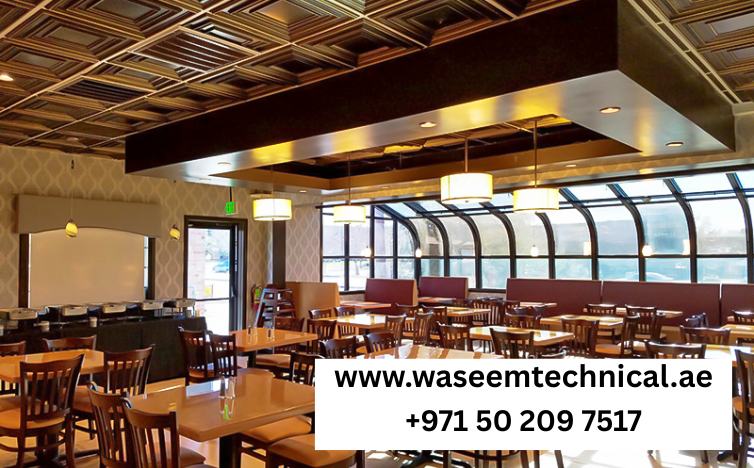
Creating a comfortable dining environment is essential for any restaurant aiming to deliver an exceptional customer experience. Excessive noise, echo, and poor sound clarity can disrupt conversations, increase stress levels, and negatively impact overall ambience. One of the most effective ways to tackle this challenge is through acoustic ceiling tiles for restaurants, a highly efficient solution widely adopted by modern hospitality spaces. Companies like waseemtechnical offer professional acoustic services to help restaurants achieve the right balance between style and noise control.
This article explains how these tiles work, their benefits, design considerations, and why they are becoming a standard choice for restaurant owners looking to improve the dining environment.
Why Restaurants Need Better Acoustics
Restaurants are naturally noisy spaces. Hard surfaces such as tiles, glass, wood, and metal reflect sound waves, causing echoes and reverberation. When the dining area becomes crowded, voices, kitchen sounds, and background noise combine to create uncomfortable acoustic conditions.
Poor acoustics lead to:
- Loud environments where customers must raise their voices
- Reduced speech clarity
- Lower customer satisfaction
- Shorter dining times
- Complaints from guests
Acoustic ceiling tiles are specifically engineered to reduce echo and absorb unwanted noise, helping restaurants maintain a pleasant and controlled sound level even during peak hours.
How Acoustic Ceiling Tiles Reduce Echo
Acoustic ceiling tiles are designed using sound-absorbing materials such as mineral fiber, fiberglass, or specialized foam. Their porous structure traps sound waves, preventing them from bouncing around the room.
Key acoustic functions include:
- Absorption: Minimizes echo by absorbing airborne sound
- Insulation: Blocks noise transmission between spaces
- Diffusion: Scatters sound waves evenly
When installed strategically in dining halls, cafés, and food courts, these tiles significantly improve speech clarity, reduce background noise, and create a more intimate dining atmosphere.
Benefits of Acoustic Ceiling Tiles for Restaurants
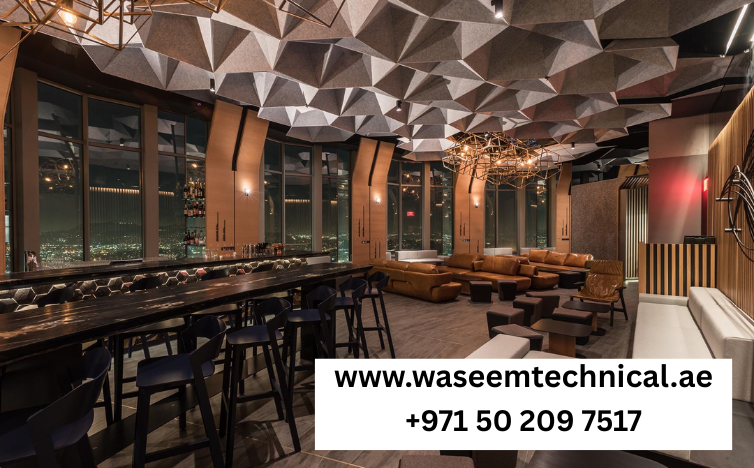
1. Improved Customer Experience
A quiet and calm dining environment encourages longer stays, better conversations, and positive reviews. Restaurants that invest in acoustic treatment often see increased customer satisfaction and repeat visits.
2. Better Staff Communication
Clear acoustics benefit not only customers but also restaurant staff. Servers can hear orders accurately and communicate more efficiently, improving service speed and reducing errors.
3. Modern Aesthetic Appeal
Acoustic ceiling tiles come in a variety of textures, colors, and patterns. They can match any restaurant style—from casual cafés to fine-dining spaces—providing a clean and polished finish.
4. Cost-Effective Noise Control
Unlike extensive soundproofing construction, acoustic ceiling tiles offer a practical, budget-friendly solution. Installation is straightforward, making them ideal for both new restaurants and renovation projects.
5. Enhanced Acoustic Performance Without Visible Changes
These tiles blend seamlessly into existing interiors. They deliver high acoustic performance without altering the restaurant’s décor or layout.
Where to Install Acoustic Ceiling Tiles
To maximize effectiveness, tiles should be installed in areas where noise reflection is highest. Common placements include:
- Main dining halls
- Private dining rooms
- Open-kitchen areas
- Bar sections
- Waiting lounges
Using the title as part of the design strategy also helps restaurants understand how to properly optimize their acoustic layout during planning.
Professionals such as waseemtechnical can assess the space and recommend an installation plan based on room size, seating capacity, and interior finishes.
Choosing the Right Acoustic Ceiling Tiles
Selecting the right tiles requires careful consideration of both acoustic performance and aesthetic goals. Key factors include:
Noise Reduction Coefficient (NRC)
A higher NRC rating means better absorption. Restaurants typically need tiles with an NRC rating of 0.70 or above.
Fire Resistance
Tiles must comply with safety standards, especially in commercial kitchens and dining spaces.
Moisture and Humidity Resistance
Restaurants often experience steam and temperature changes. Moisture-resistant tiles maintain performance and longevity.
Durability
High-quality tiles last longer and maintain their acoustic properties over time.
Design Flexibility
Modern acoustic tiles are available in various finishes—smooth, textured, patterned, or even 3D designs—making it easy to integrate them into any décor style.
Why Professional Installation Matters
Although some acoustic materials can be installed DIY, commercial restaurants require a professional approach to achieve measurable acoustic improvements. Technicians evaluate sound reflections, reverberation times, ceiling height, and interior materials before installation.
Teams like waseemtechnical provide complete acoustic assessment and installation services to ensure optimal performance and long-lasting results.
Call us: Contact Waseem Technical Soundproofing Expert in Dubai For Soundproofing: +971 50 209 7517
Conclusion
Acoustic ceiling tiles are one of the most effective ways to reduce noise, minimize echo, and improve ambience in restaurants. A comfortable acoustic environment not only enhances customer satisfaction but also supports better communication, smoother operations, and an overall superior dining experience.
By incorporating the right acoustic solutions, restaurant owners can create a welcoming space where guests enjoy conversations, food tastes better, and the atmosphere feels inviting—every single time.