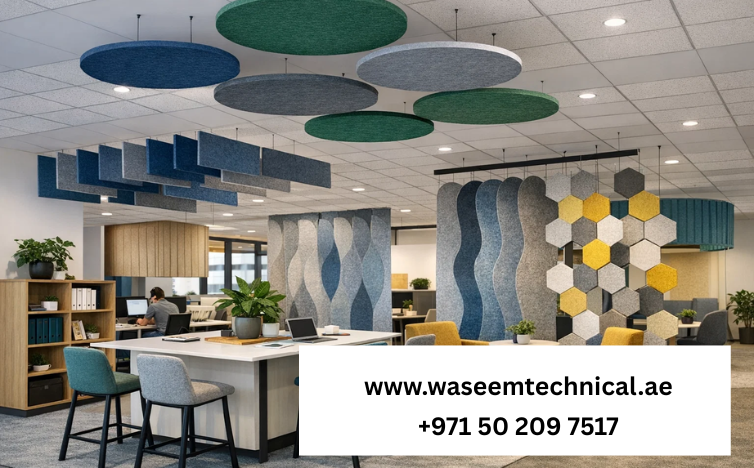
Open office layouts are widely adopted for their collaborative benefits and efficient use of space. However, one of the most common challenges in open offices is excessive noise. Conversations, phone calls, HVAC systems, and foot traffic can quickly reduce concentration and productivity. This is where acoustic ceiling tiles play a critical role. With proper planning and zoning, they can significantly improve sound control while maintaining a clean, modern design.
This article explains how to plan and zone open offices using acoustic ceiling tiles effectively, ensuring both functional and acoustic performance.
Understanding Noise Challenges in Open Offices
Open offices typically lack physical barriers, allowing sound to travel freely across the space. This leads to speech intelligibility issues, distraction, and increased stress among employees. Studies consistently show that poor acoustic environments reduce productivity and job satisfaction.
Acoustic ceiling tiles are designed to absorb sound energy rather than reflect it, helping to control reverberation and background noise. When used strategically, they create a more balanced and comfortable sound environment without compromising openness.
Why Acoustic Ceiling Tiles Are Essential
Acoustic ceiling tiles are one of the most efficient sound-absorbing solutions for large commercial interiors. Installed overhead, they address noise at its source by reducing echo and airborne sound transmission.
Key benefits include:
- Improved speech clarity in meeting and collaboration zones
- Reduced noise buildup across open work areas
- Enhanced employee focus and comfort
- Clean and professional ceiling aesthetics
For offices seeking long-term acoustic solutions, high-quality acoustic ceiling tiles provide consistent performance with minimal maintenance.
Planning Acoustic Zones in Open Offices
Effective acoustic design begins with zoning. Not all areas of an open office require the same level of sound control, and acoustic ceiling tiles allow for targeted planning.
Focus Zones
Focus zones are areas where employees perform tasks requiring high concentration. These zones benefit from ceiling tiles with high Noise Reduction Coefficient (NRC) ratings to absorb as much sound as possible. Installing acoustic ceiling tiles directly above workstations helps reduce distractions from surrounding activity.
Collaboration and Meeting Areas
Meeting rooms and collaboration spaces often generate higher sound levels. Acoustic ceiling tiles in these areas should be combined with other acoustic elements to prevent sound leakage into adjacent zones. Selecting tiles with strong absorption properties ensures conversations remain clear within the room without spreading across the office.
Circulation and Common Areas
Hallways, breakout spaces, and lounges typically require moderate acoustic treatment. Using acoustic ceiling tiles with balanced absorption helps control noise while keeping the space lively and welcoming.
Ceiling Height and Tile Selection
Ceiling height plays a significant role in acoustic performance. High ceilings can increase reverberation time if left untreated. In such cases, thicker acoustic ceiling tiles or suspended systems are recommended to improve absorption.
Material selection is equally important. Mineral fiber, PET-based, and fabric-wrapped acoustic ceiling tiles offer different acoustic and aesthetic properties. Choosing the right product depends on the office layout, noise levels, and design goals.
At Waseem Technical, acoustic services are tailored to match ceiling height, usage requirements, and design preferences, ensuring optimal performance for each project.
Layout-Based Installation Strategies
Uniform installation across the entire office may not always be necessary. A layout-based approach allows better control and cost efficiency.
- Dense tile placement above workstations
- Enhanced coverage in meeting rooms
- Selective installation in high-traffic zones
This strategic planning ensures acoustic ceiling tiles deliver maximum impact without unnecessary overuse.
Integration with Lighting and HVAC Systems
Modern offices require seamless integration between ceilings, lighting, and air systems. Acoustic ceiling tiles can be designed to work alongside recessed lighting, linear fixtures, and HVAC diffusers without compromising performance.
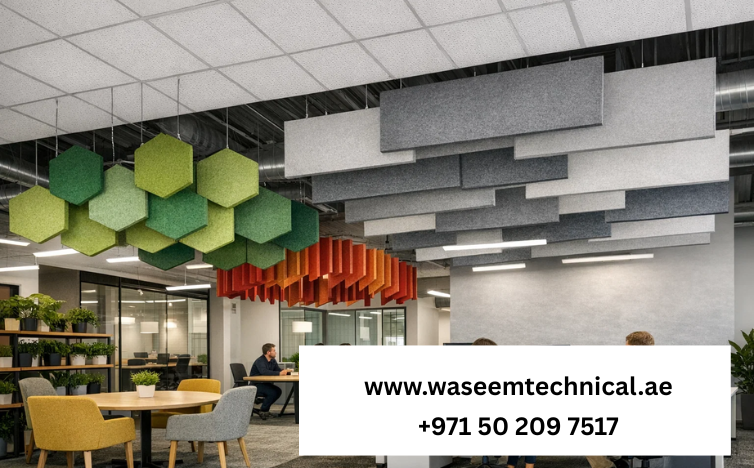
Proper coordination during the planning stage avoids gaps that could reduce acoustic efficiency. Professional acoustic services ensure that ceiling layouts maintain both sound control and technical functionality.
Aesthetic Considerations for Modern Offices
Today’s acoustic ceiling tiles are available in a wide range of colors, textures, and finishes. This allows designers to enhance visual appeal while addressing acoustic needs.
Using acoustic ceiling tiles creatively can define zones visually, reinforce brand identity, and maintain a contemporary office atmosphere. Function and design no longer need to be treated separately.
Choosing the Right Acoustic Partner
Successful acoustic planning requires both quality products and expert installation. Waseem Technical provides professional acoustic services and high-performance acoustic ceiling tiles designed for commercial environments.
Their acoustic ceiling tile solutions are suitable for open offices, meeting rooms, and large corporate spaces, delivering reliable sound absorption and long-term durability.
Call us: Contact Waseem Technical Soundproofing Expert in Dubai: +971 50 209 7517
Conclusion
Acoustic ceiling tiles are a critical component in creating productive and comfortable open offices. Through proper planning and zoning, they help manage noise, improve speech clarity, and enhance overall workplace efficiency.
By selecting the right tile materials, planning acoustic zones carefully, and working with experienced acoustic service providers like Waseem Technical, businesses can transform open offices into balanced environments that support both collaboration and focus.