Unwanted noise is a common issue in homes, offices, studios, and commercial buildings. Even after installing insulation or soundproof panels, many spaces still suffer from sound leakage. The reason is simple: sound finds its way through gaps, joints, and cracks that are often overlooked. Acoustic sealant is one of the most effective solutions to address this problem and plays a critical role in any professional soundproofing system.
At Waseem Technical, we provide acoustic services and advanced soundproofing products, including high-performance acoustic sealant, designed to block sound leaks and enhance acoustic comfort.
Understanding How Sound Leaks Occur
Sound does not only travel through walls and solid structures; it also moves easily through air gaps. Even small openings around electrical outlets, ceiling joints, door frames, and floor edges can allow sound waves to pass through freely. These weak points are known as flanking paths.
When soundproofing measures focus only on large surfaces and ignore these gaps, noise control becomes ineffective. This is where acoustic sealant becomes essential. By sealing these openings, it stops sound from bypassing insulation and other acoustic materials.
What Makes Acoustic Sealant Different from Regular Sealants
Acoustic sealant is specially engineered for sound control applications. Unlike ordinary silicone or acrylic sealants, it remains flexible and elastic after curing. This flexibility allows it to absorb vibrations instead of cracking over time.
Regular sealants may dry hard and shrink, reopening gaps and reducing their effectiveness. Acoustic sealant, on the other hand, maintains an airtight seal for years, ensuring consistent noise reduction performance.
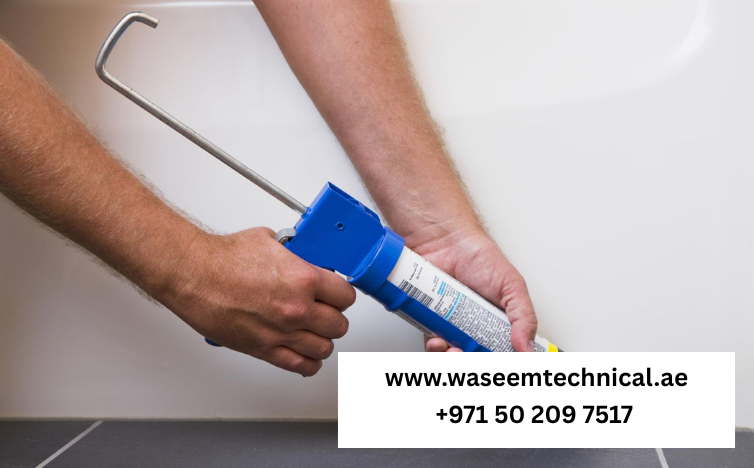
This unique property makes acoustic sealant a core component in professional acoustic services and soundproofing installations.
How Acoustic Sealant Works in Walls
Walls are one of the primary pathways for sound transmission, especially in shared buildings and partitioned spaces. Acoustic sealant works by sealing all joints, seams, and penetrations within the wall structure.
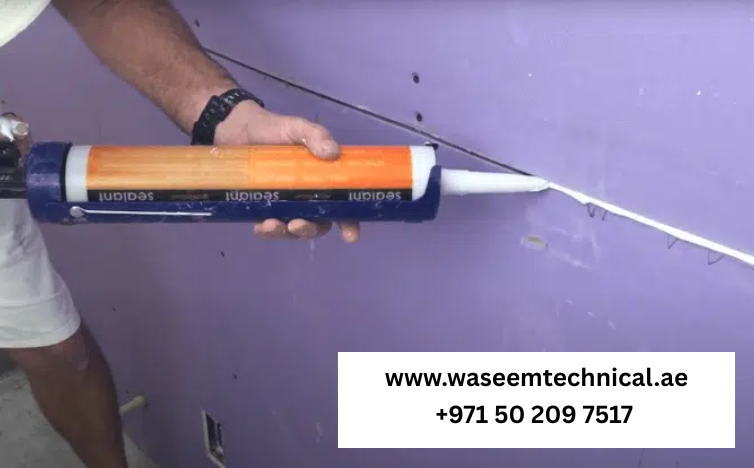
When applied around wall edges, electrical boxes, cable entries, and drywall seams, it prevents sound from escaping through air gaps. In double-wall or drywall systems, acoustic sealant is often applied between layers to further reduce sound vibration transfer.
Proper wall sealing with acoustic sealant can significantly improve sound isolation and enhance the effectiveness of insulation and acoustic panels.
Stopping Ceiling Sound Leaks with Acoustic Sealant
Ceilings are highly vulnerable to airborne noise, especially in multi-story buildings. Sound can travel through ceiling joints, light fixtures, ventilation openings, and cracks in drywall.
Acoustic sealant is applied around ceiling perimeters and service penetrations to create a continuous sound barrier. In suspended or false ceiling systems, sealing gaps around the framework helps prevent sound from traveling through hidden cavities.
When combined with insulation and professional installation, acoustic sealant ensures that sound does not leak through ceiling weak points.
Using Acoustic Sealant to Control Floor Noise
Floors often transmit both airborne and impact noise, particularly in apartments and commercial spaces. Gaps around skirting boards, expansion joints, and floor penetrations allow sound to travel between levels.
Acoustic sealant is used to seal these gaps, preventing sound from flanking through the floor structure. In floating floor systems, sealing the perimeter is essential to maintain sound isolation performance.
By eliminating floor-level sound leaks, acoustic sealant improves overall acoustic comfort and reduces noise complaints.
Best Application Practices for Maximum Effectiveness
For acoustic sealant to work effectively, proper application is essential. Surfaces should be clean and free from dust, oil, or loose material. The sealant should be applied in a continuous bead without breaks, as even small gaps can compromise soundproofing results.
It is also important not to overpaint or cover the sealant with rigid materials unless recommended, as this can reduce flexibility. Using a professional-grade product ensures long-term durability and consistent acoustic performance.
Why Professional Acoustic Services Matter
While acoustic sealant can be applied as part of a DIY project, professional acoustic services ensure that no sound leakage points are missed. Experts understand sound behavior and can identify hidden flanking paths that are often overlooked.
At Waseem Technical, we provide acoustic services for residential, commercial, and industrial projects. Our solutions integrate acoustic sealant with insulation, panels, and structural treatments to deliver measurable and long-lasting noise reduction.
Professional installation ensures optimal performance, compliance with acoustic standards, and better return on investment.
Call us: Contact Waseem Technical Soundproofing Expert in Saudi Arabia For Soundproofing: +971 50 209 7517
Conclusion
Acoustic sealant is one of the most effective tools for stopping sound leaks in walls, ceilings, and floors. By sealing gaps and joints, it prevents sound from bypassing soundproofing systems and significantly improves noise control.
When used correctly and supported by professional acoustic services, acoustic sealant delivers reliable and long-term sound isolation. For high-quality products and expert solutions, Waseem Technical provides trusted acoustic sealant and comprehensive soundproofing services tailored to modern building requirements.