
Footstep noise is one of the most common complaints in multi-storey buildings, especially where residents live close to one another. Whether it is the sound of shoes, children running, or furniture movement, these noises easily travel through floors if proper sound isolation is not provided. One effective and professionally trusted solution is acoustic floor underlay. This article explains how it works, why it is essential, and how providers like WaseemTechnical deliver reliable soundproofing for modern buildings. The title of this article itself reflects the growing need for advanced acoustic solutions in dense residential and commercial spaces.
How Footstep Noise Travels Through Floors
In multi-storey buildings, footstep noise mainly consists of impact sound. When someone walks on the floor, the impact energy travels directly into the structure. Without an acoustic barrier, this energy moves through:
- Floor slabs
- Ceiling structures
- Walls connected to the slab
Traditional flooring materials like tiles, wood, or laminate do not absorb impact energy effectively. Instead, they amplify it, making spaces below uncomfortably noisy. This is why proper underlay becomes a crucial layer for sound insulation.
What Acoustic Floor Underlay Does
An acoustic floor underlay acts as a cushioning layer that absorbs and dissipates impact vibrations before they enter the concrete slab. This underlay works by:
1. Reducing Impact Noise Transmission
The resilient material absorbs the pressure from footsteps and prevents the vibrations from spreading through structural components. This creates a noticeable difference in footstep sound reduction.
2. Adding Floor Mass and Resilience
High-quality underlays add both thickness and flexibility to the flooring system. This combination helps in weakening low-frequency and mid-frequency impact sounds.
3. Enhancing Overall Acoustic Comfort
By lowering footstep noise, the living environment becomes much quieter. Residents experience fewer disturbances, which improves sleep quality, productivity, and general comfort.
4. Supporting Different Flooring Types
Modern underlays can be installed under tiles, vinyl, laminate, hardwood, and carpet flooring, making them suitable for residential, commercial, and hospitality projects.
Why Multi-Storey Buildings Need Acoustic Floor Underlay
Multi-storey developments are dense living spaces with shared floors and ceilings. Without sound-reducing systems, even minimal impact noise can become irritating. Underlay is essential because:
It Prevents Noise Complaints
Footstep noise is one of the top reasons for disputes among residents. Installing an acoustic layer significantly reduces noise transfer, keeping the building peaceful.
It Meets Building Acoustic Standards
Many construction regulations now require minimum sound insulation performance. Acoustic underlay helps contractors and developers comply with these requirements.
It Improves Property Value
Units with proper soundproofing are considered premium. Buyers and tenants prefer quieter living environments, which increases market demand and long-term value.
It Provides Long-Term Durability
Besides soundproofing, underlays also provide stability to the flooring structure. They reduce wear and tear, improve foot comfort, and extend the flooring’s lifespan.
How Installation Works
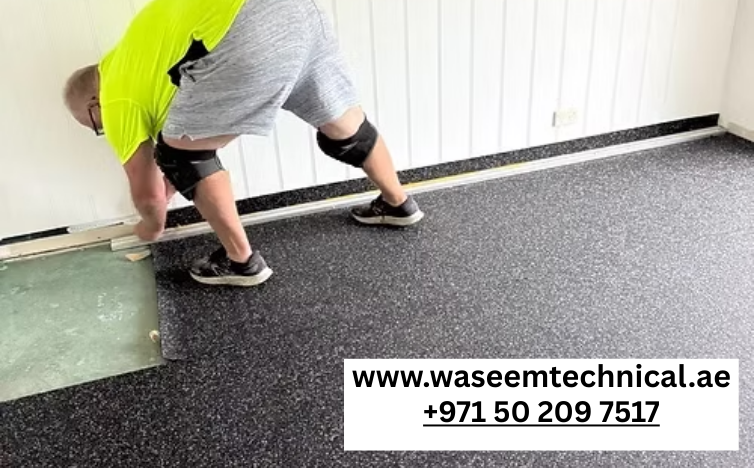
Installing an acoustic floor underlay is a straightforward process when handled by professionals:
Surface Preparation
The subfloor is cleaned, levelled, and dried to ensure strong bonding.
Underlay Placement
Sheets or rolls are laid across the entire floor area, with joints taped to prevent sound leaks.
Flooring Layer Installation
Tiles, wood, or laminate flooring is installed directly above the underlay.
The entire system functions as a combined structure that resists impact sound. Incorrect installation, however, may create gaps that allow sound to pass through. This is why choosing expert installers is essential.
Where Acoustic Floor Underlay Is Most Effective
- Residential apartments
- Multi-storey villas
- Hotels and serviced apartments
- Offices with frequent foot traffic
- Commercial spaces above storage rooms or meeting areas
- Gyms and fitness spaces requiring vibration control
In each of these settings, the underlay significantly improves acoustic performance and user comfort.
Professional Acoustic Solutions by WaseemTechnical
At WaseemTechnical, we provide professional acoustic services tailored to the needs of multi-storey buildings. From product selection to installation, our team ensures that every project meets high acoustic standards. Our solutions include a diverse range of soundproofing materials, including acoustic floor underlay, wall insulation, and ceiling treatments.
Clients trust our expertise because we focus on measurable noise reduction, long-term durability, and cost-effective implementation. Whether for new construction or renovation, our acoustic specialists deliver reliable solutions that truly enhance the living experience.
Call us: Contact Waseem Technical Soundproofing Expert in Saudi Arabia For Soundproofing: +971 50 209 7517
Conclusion
Footstep noise is a persistent challenge in multi-storey living spaces, but the right materials can drastically improve acoustic comfort. Acoustic floor underlay is one of the most effective solutions for reducing impact noise, providing privacy, and improving quality of life. With expert support from professionals like WaseemTechnical, property owners and developers can ensure quieter, more comfortable, and acoustically balanced environments.