Modern interiors in Dubai often combine glass, concrete, stone, metal, and other hard finishes to create a sleek architectural appearance. While these materials contribute to contemporary design, they can also produce unwanted sound reflections and make spaces feel acoustically uncomfortable.
Stretch acoustic panels provide a flexible way to improve room acoustics, but the performance and appearance of the finished installation depend heavily on the supporting framework. PVC profiles for stretch panels provide the edge structure required to secure acoustic fabric and create a clean, tensioned surface across walls and ceilings.
For offices, hotels, restaurants, studios, conference facilities, and residential interiors, the right profile system can make the installation more precise while allowing acoustic treatment to blend naturally into the surrounding architecture.
What Is a PVC Profile for Stretch Panels?
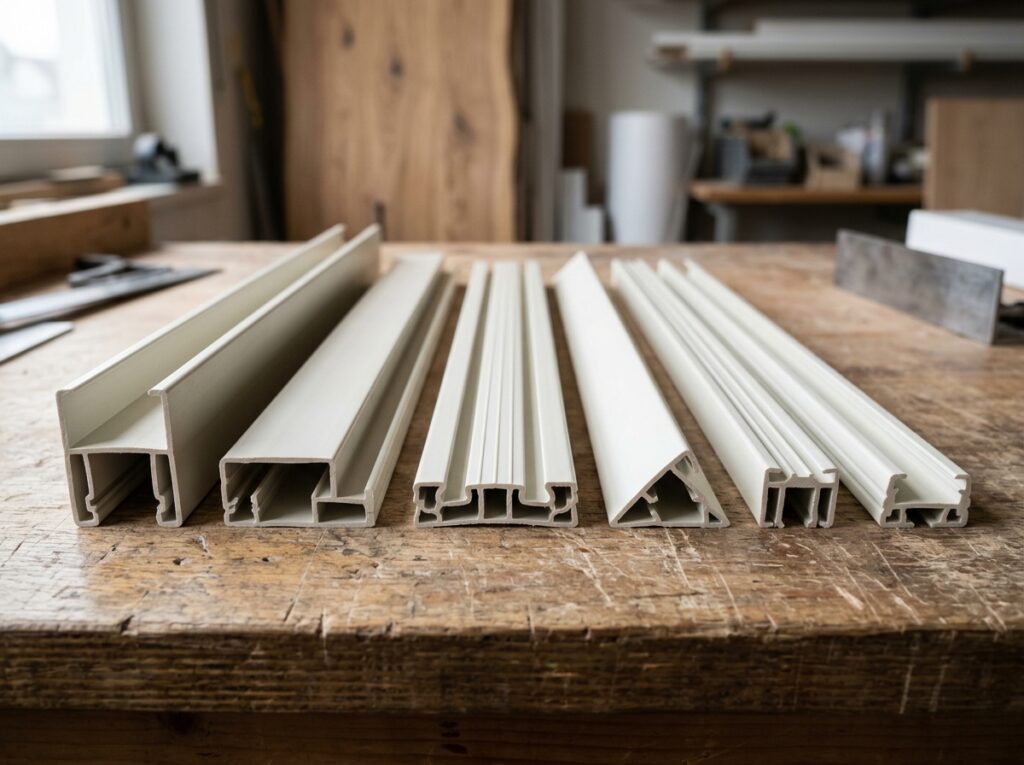
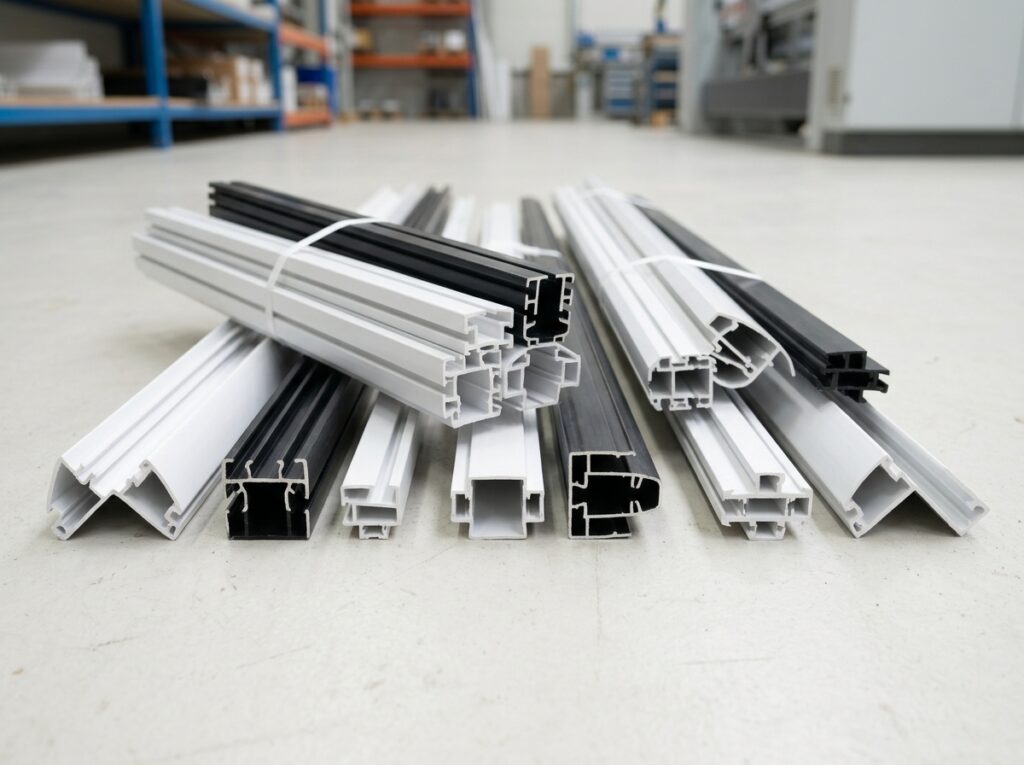
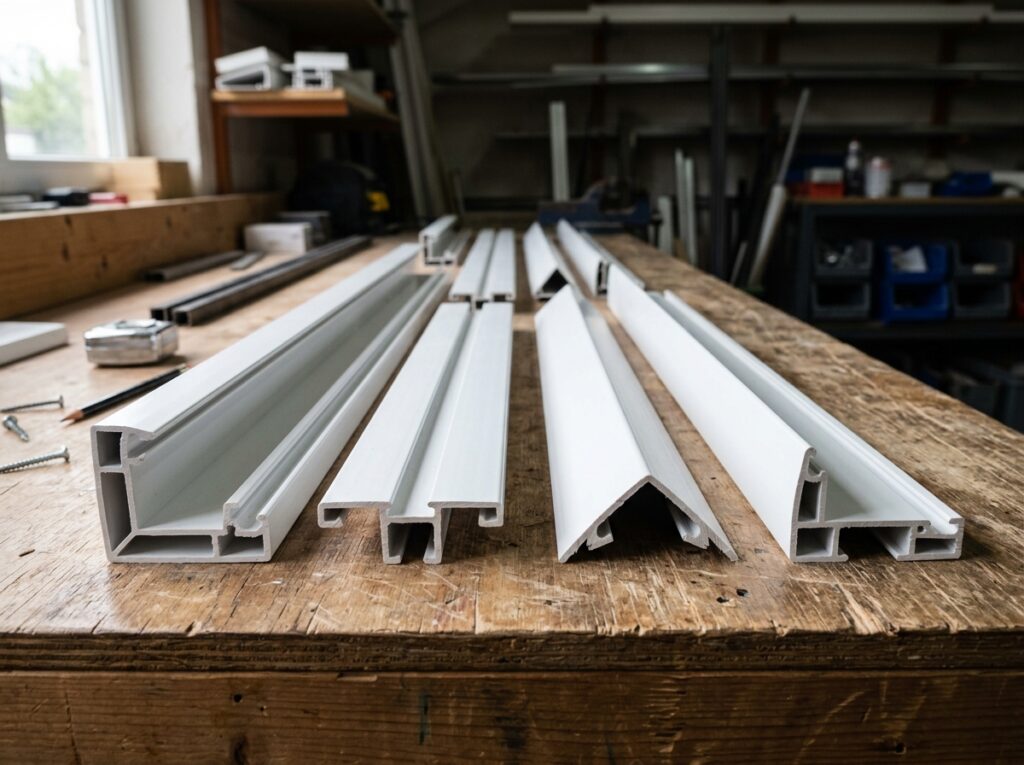
A PVC profile is a specially shaped mounting component used to create the perimeter or supporting framework for a stretch panel system. The profile provides a secure location for fixing the acoustic fabric while maintaining consistent tension across the finished surface.
Instead of attaching fabric directly to a wall or ceiling, the profile creates a defined installation boundary. This helps produce straight edges, uniform surfaces, and a professional finished appearance.
Depending on the system, profiles may be used around:
- Walls
- Ceilings
- Columns
- Recessed areas
- Feature sections
- Custom architectural shapes
The Role of the Profile in a Stretch Acoustic System
The profile may appear to be a small component, but it plays an important role in the overall installation.
A properly selected profile helps:
Maintain Fabric Tension
Stretch acoustic fabric needs consistent tension to prevent wrinkles, sagging, or uneven surfaces. The profile provides the fixing point that allows the fabric to remain properly tensioned.
Create Clean Edges
A well-designed perimeter profile produces a neat transition between the acoustic surface and the surrounding wall or ceiling.
Support Custom Designs
Stretch systems can be adapted to different shapes and layouts. PVC profiles help create the framework needed for curved, recessed, angled, or multi-section installations.
Simplify Installation
A purpose-designed profile system provides installers with a defined mounting structure instead of relying on improvised fixing methods.
Where PVC Profiles for Stretch Panels Are Used
Dubai’s commercial and hospitality interiors provide numerous applications for stretch acoustic systems.
PVC profiles can be incorporated into:
- Corporate offices
- Boardrooms
- Hotels
- Restaurants
- Conference rooms
- Retail interiors
- Schools
- Universities
- Recording studios
- Home theatres
- Reception areas
- Residential properties
They are particularly useful when acoustic treatment needs to cover a large surface while maintaining a seamless architectural appearance.
Advantages of PVC Profiles
Lightweight Construction
PVC is relatively lightweight, making profile components easier to handle during installation compared with heavier framing materials.
Resistant to Moisture
PVC offers good resistance to moisture, which can be useful in environments where humidity levels fluctuate.
Clean Appearance
Once the stretch fabric is installed, the profile is largely concealed, allowing the finished surface to maintain a smooth and minimalist appearance.
Flexible Application
Profiles can be used to create different panel configurations, making them suitable for both straightforward installations and more complex interior designs.
Long-Term Use
Quality PVC profiles are designed to remain stable when properly installed, providing a reliable foundation for the stretch fabric system.
Combining PVC Profiles With Acoustic Fabric
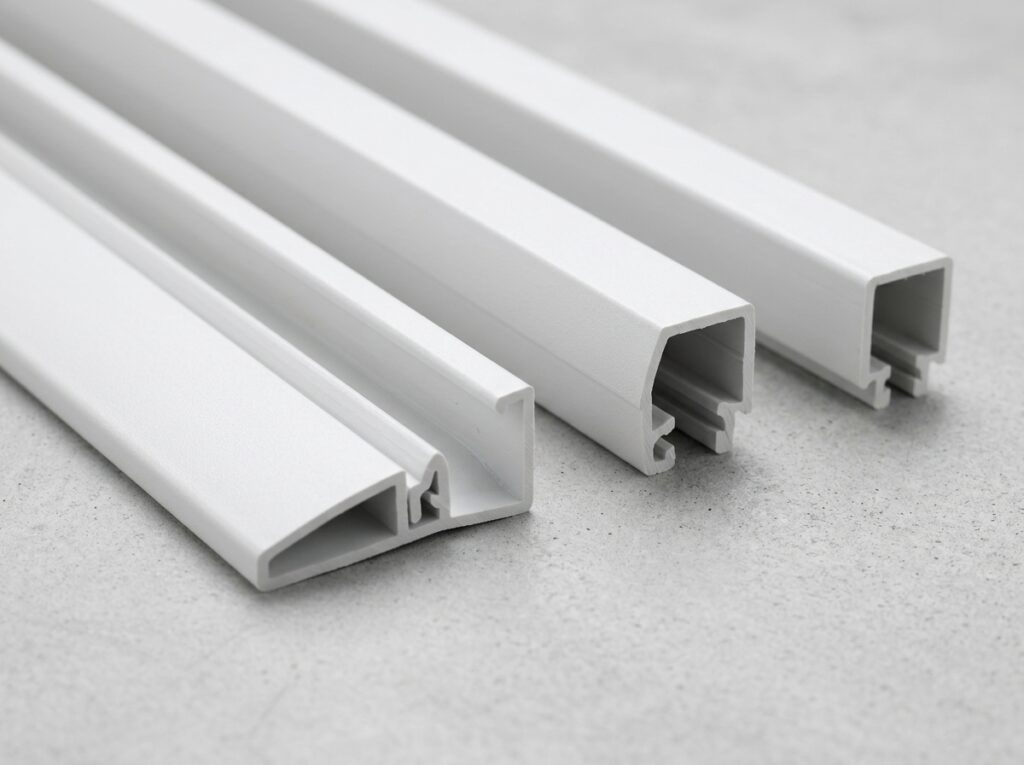
The profile itself is not the component responsible for absorbing sound. Its primary purpose is to support the stretch fabric and establish the structure of the acoustic installation.
For effective acoustic treatment, the complete system can incorporate:
- Acoustic stretch fabric
- Absorptive material behind the fabric
- PVC perimeter profiles
- Supporting framework
- Appropriate mounting accessories
The fabric creates the visible surface, while the acoustic material behind it helps absorb sound energy. Together, these components can create an effective and visually discreet acoustic treatment.
Design Possibilities for Dubai Interiors
Dubai is known for ambitious interior architecture, and stretch acoustic systems can be adapted to complement a wide variety of design concepts.
PVC profile systems can support:
Large Seamless Surfaces
Large walls and ceilings can be treated without visually dividing the acoustic surface into numerous individual panels.
Curved Installations
Where the architectural design calls for rounded or flowing forms, suitable profiles can be used to create the required framework.
Integrated Feature Areas
Acoustic stretch systems can be positioned within selected sections of a room to create a combination of decorative and acoustic elements.
Custom Colour Schemes
The visible fabric can be selected to complement furniture, lighting, branding, or other architectural finishes.
Applications Across Dubai’s Commercial Landscape
From Downtown Dubai and Business Bay to Dubai Marina, Jumeirah, and other developing districts, the city contains a wide range of interiors where acoustic comfort is important.
In corporate offices, stretch systems can help manage reverberation in open workspaces and meeting areas.
In hotels and restaurants, they can contribute to a more comfortable atmosphere by reducing excessive reflections from hard interior surfaces.
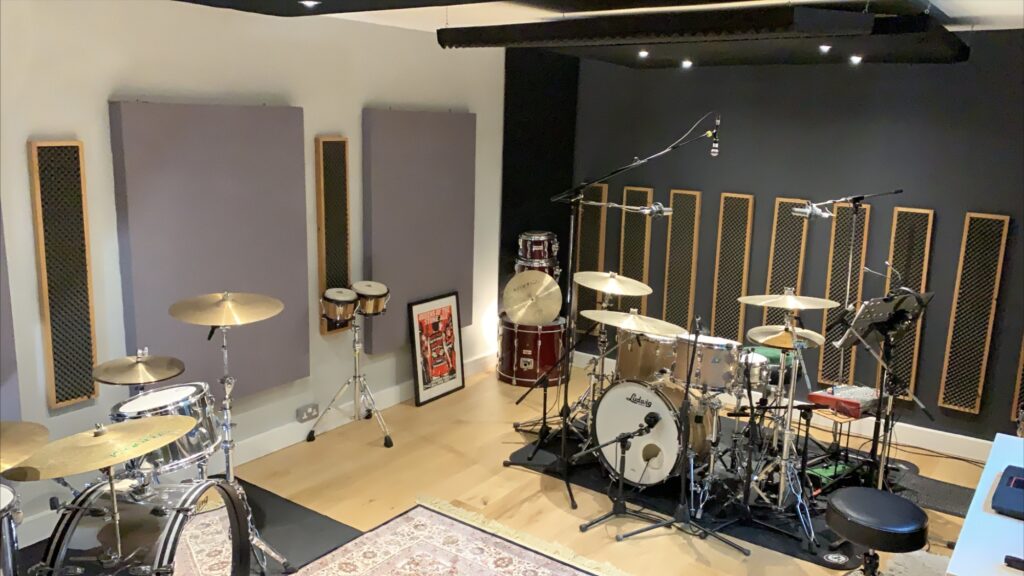
In studios and media rooms, properly designed acoustic assemblies can form part of a broader approach to controlling room acoustics.
Selecting the Right PVC Profile
The appropriate profile depends on the size, shape, location, and construction of the stretch panel installation.
Important factors to consider include:
- Profile dimensions
- Mounting method
- Fabric compatibility
- Wall or ceiling application
- Shape of the installation
- Required tension
- Overall interior design
For larger or more complex installations, accurate planning is particularly important to ensure that the finished fabric remains smooth and evenly tensioned.
Installation and Maintenance
Proper installation is essential for achieving a professional result. The supporting surface should be prepared correctly, the profile should be securely fixed, and the fabric should be tensioned according to the requirements of the selected system.
Once installed, the profiles themselves generally require little maintenance.
Basic care includes:
- Inspecting visible edges periodically.
- Keeping the profile area free from accumulated dust.
- Checking for signs of movement or damage.
- Avoiding excessive force against the profile or fabric.
- Following the recommended maintenance procedures for the complete system.
Frequently Asked Questions
What is the purpose of a PVC profile in a stretch panel system?
The profile creates the framework used to secure and tension the acoustic fabric, helping produce a smooth and professionally finished surface.
Can PVC profiles be used for ceilings?
Yes. They can be incorporated into ceiling-mounted stretch acoustic systems as well as wall applications.
Are PVC profiles suitable for custom-shaped installations?
Depending on the specific profile design, they can be used to create different layouts and architectural configurations.
Does the PVC profile itself absorb sound?
No. The profile primarily provides structural support for the stretch system. Sound absorption comes from the acoustic material used behind the visible fabric.
Conclusion
PVC profiles are an important component of stretch acoustic panel systems, providing the framework required to achieve secure fabric installation, consistent tension, and clean architectural edges. Their lightweight construction, moisture resistance, and flexible application make them suitable for a wide range of modern interiors.
For offices, hotels, restaurants, studios, conference facilities, and residential spaces across Dubai, PVC profile systems can help transform acoustic treatment into a seamless part of the interior design. When combined with suitable acoustic fabric and sound-absorbing materials, they provide a practical foundation for creating comfortable and visually refined spaces.