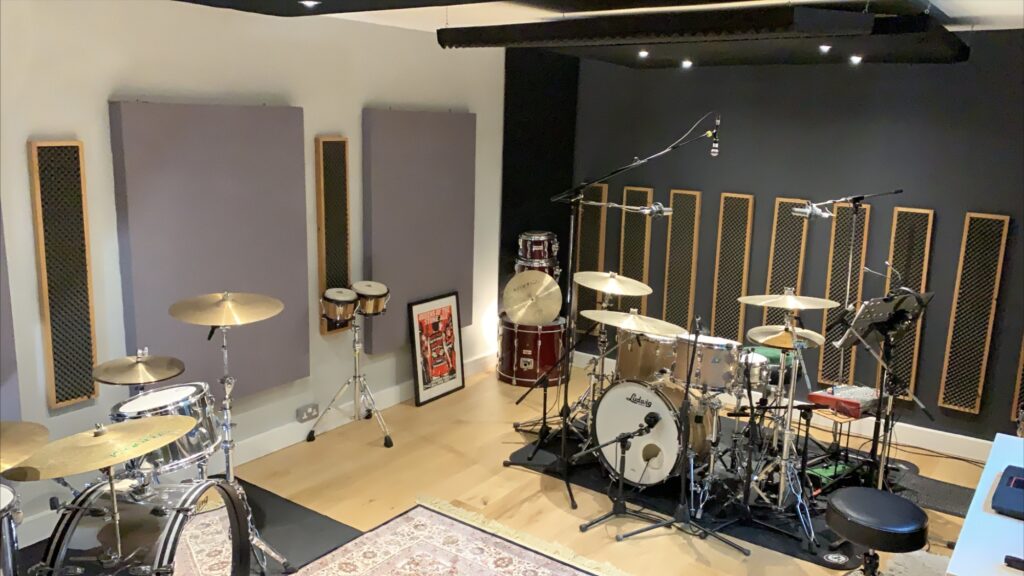
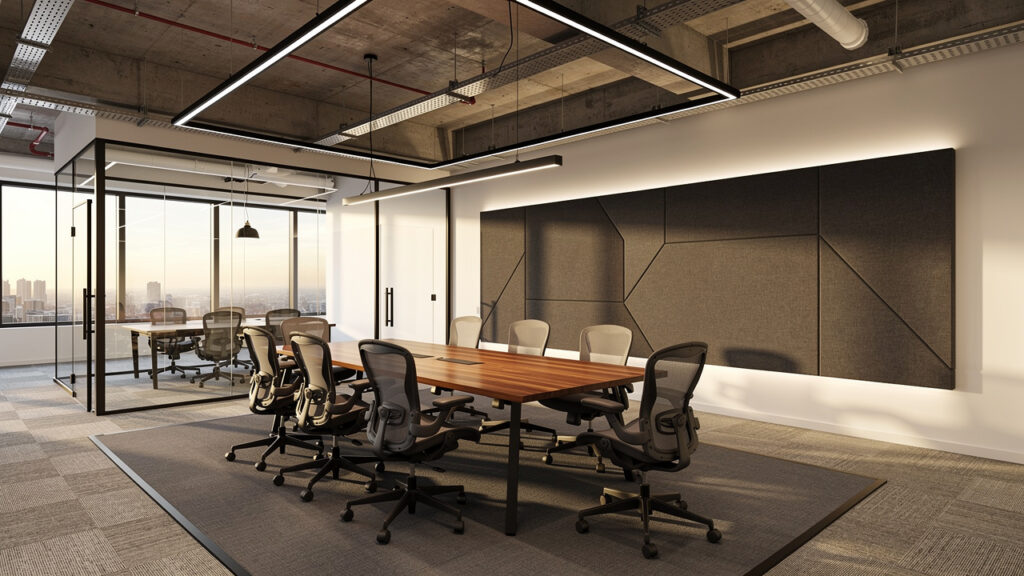
Noise pollution in commercial buildings affects productivity and occupant comfort. The constant hum of HVAC systems, street traffic, and conversations from adjacent offices can create a distracting environment. This guide explains the core principles of commercial soundproofing, explores effective systems, and introduces professional approaches to create quieter, more productive workspaces. We will cover the main types of noise, the best systems for commercial use, and how a specialist approach can address your acoustic challenges.
Read on to learn how to implement effective professional soundproofing methods for UK-standard commercial environments.
Key Takeaways
Understanding Noise Types Is Foundational: Commercial noise is primarily categorized as airborne (speech, traffic) or impact (footsteps, vibrations). Each type requires a different soundproofing strategy, and identifying your specific problem is the first step toward finding the right method.
DIY Approaches Often Fail In Commercial Settings: Common materials like acoustic foam panels are designed for sound absorption (reducing echo within a room), not sound blocking. They lack the necessary mass and decoupling properties to stop noise transmission between spaces.
Professional Systems Rely On Science: Effective commercial soundproofing combines mass, decoupling, and dampening. Systems using resilient clips, high-density acoustic membranes, and floating floors are engineered to isolate vibrations and block sound waves effectively.
Compliance With Building Standards Is Essential: In the UK, Part E Building Regulations set strict acoustic performance standards for new and converted properties. Using professionally specified systems helps meet compliance and avoids costly remedial work.
A Specialist Approach Delivers Results: Partnering with an acoustics specialist like Waseem Technical ensures a customized approach. Experts assess the specific needs of your facility and apply the correct products and installation techniques for measurable, lasting noise reduction.
What Are The Main Types Of Noise That Affect Commercial Buildings?
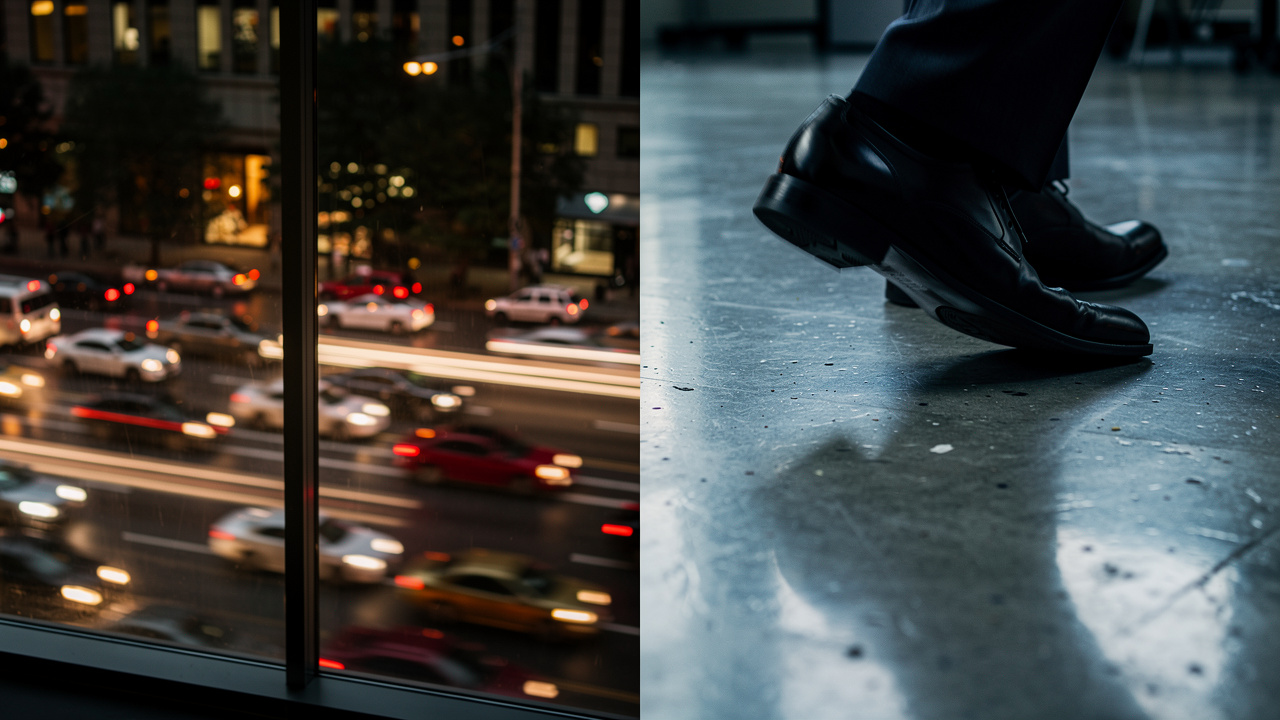
Understanding the main types of noise that impact commercial buildings is the first step in creating a quieter environment. Noise in a commercial space is generally classified into two main categories: airborne noise and impact noise. Each type travels differently and requires a distinct strategy to mitigate it effectively, making a correct diagnosis essential for any successful soundproofing project.
Airborne noise consists of sound waves that travel through the air. Common examples in a commercial setting include people talking, ringing phones, the hum from HVAC systems, and external traffic sounds. These sound waves strike surfaces like walls, ceilings, and floors, causing them to vibrate and transmit the noise into adjacent rooms, a phenomenon with measurable consequences as explored in research on when sound helps or hurts workplace performance. To combat airborne noise, approaches must add significant mass to the structure to block the sound energy from passing through.
Impact noise, on the other hand, is generated by a direct physical impact on a building’s structure. This includes sounds like footsteps from the floor above, doors slamming, or vibrations from heavy machinery. Impact noise is structurally transmitted and often more difficult to control because the vibrations travel efficiently through solid materials like concrete and steel joists. Effectively managing impact noise requires decoupling, which means creating a break in the physical path of the vibration to stop it from spreading. Research into the measurement and prediction of airborne sound insulation performance confirms that decoupling is a primary method for reducing structure-borne sound. Recognizing the logarithmic nature of the decibel (dB) scale helps set expectations. A 10dB reduction in noise is perceived by the human ear as a halving of the sound level, leading to a significant improvement in occupant comfort.
Which Professional Soundproofing Systems Work Best For Commercial Spaces?
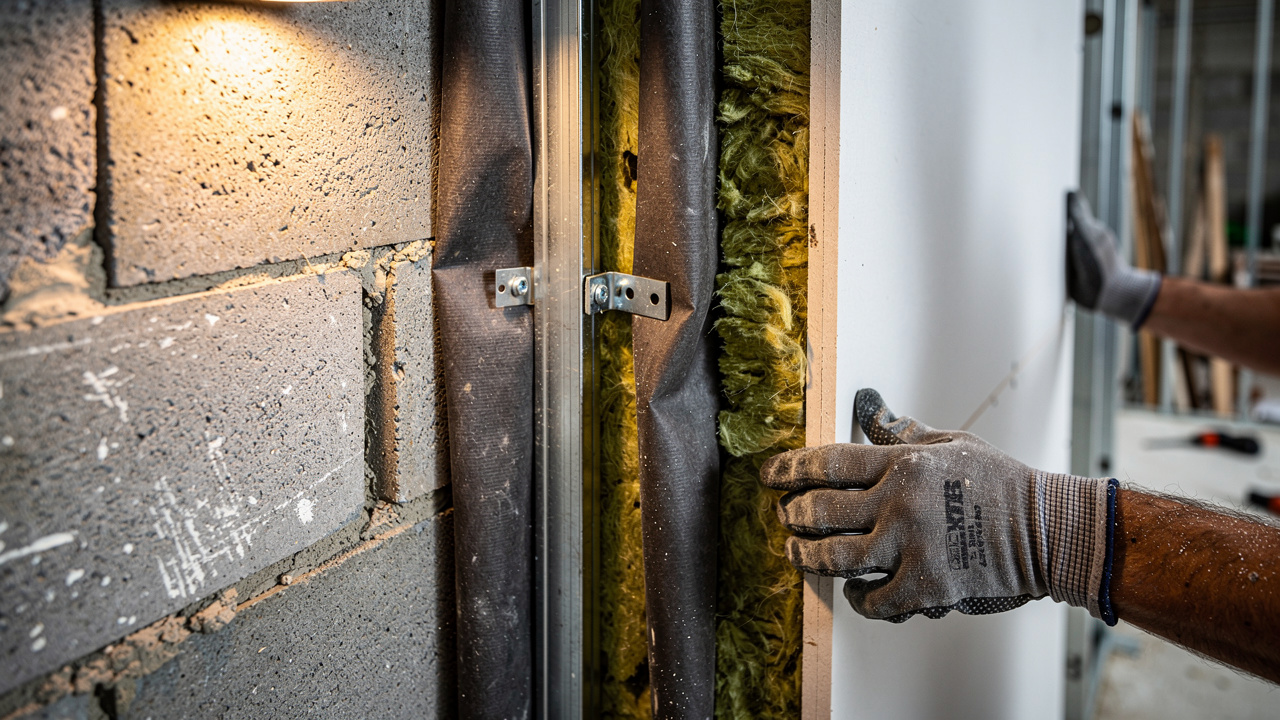
The best professional soundproofing methods for UK commercial spaces are multi-layered systems engineered to address both airborne and impact noise. These systems go far beyond simple fixes by combining mass, decoupling, and dampening to create a comprehensive acoustic barrier. The selection of a specific system depends on the noise source, building structure, and spatial constraints of the facility.
For wall soundproofing, several effective systems exist:
Decoupled stud systems: These are considered a top choice. They use resilient clips, like the GenieClip RST, to physically separate new plasterboard layers from the existing wall. This isolation stops vibrations, greatly reducing noise.
High-density slimline panels: When floor space is tight, materials such as SM20 rubber panels offer a compact way to add significant mass directly to the wall.
Viscoelastic membranes: For peak performance, membranes like Tecsound 100 can be placed between plasterboard layers. They dampen sound energy by converting it into tiny amounts of heat.
Floor and ceiling systems are just as important for commercial noise control.
To stop impact noise from footfall, a floating floor assembly is highly effective. This involves laying high-density acoustic boards like the SBx 15mm panels over a resilient underlay, completely isolating the final floor finish from the structural subfloor.
For ceilings, suspended clip systems perform a similar function, decoupling the ceiling from the floor joists above to block noise from mechanical equipment or upstairs tenants.
No system is complete without addressing weak points. Structural penetrations for electrical outlets and doors must be sealed with acoustic putty and heavy-duty seals to maintain the integrity of the soundproof barrier.
Expert Tip: Always address air gaps and penetrations. Even a small unsealed gap can significantly compromise the effectiveness of an otherwise perfectly installed soundproof barrier, allowing sound to bypass the system.
Why Foam Panels And Basic Plasterboard Don’t Cut It In Commercial Settings
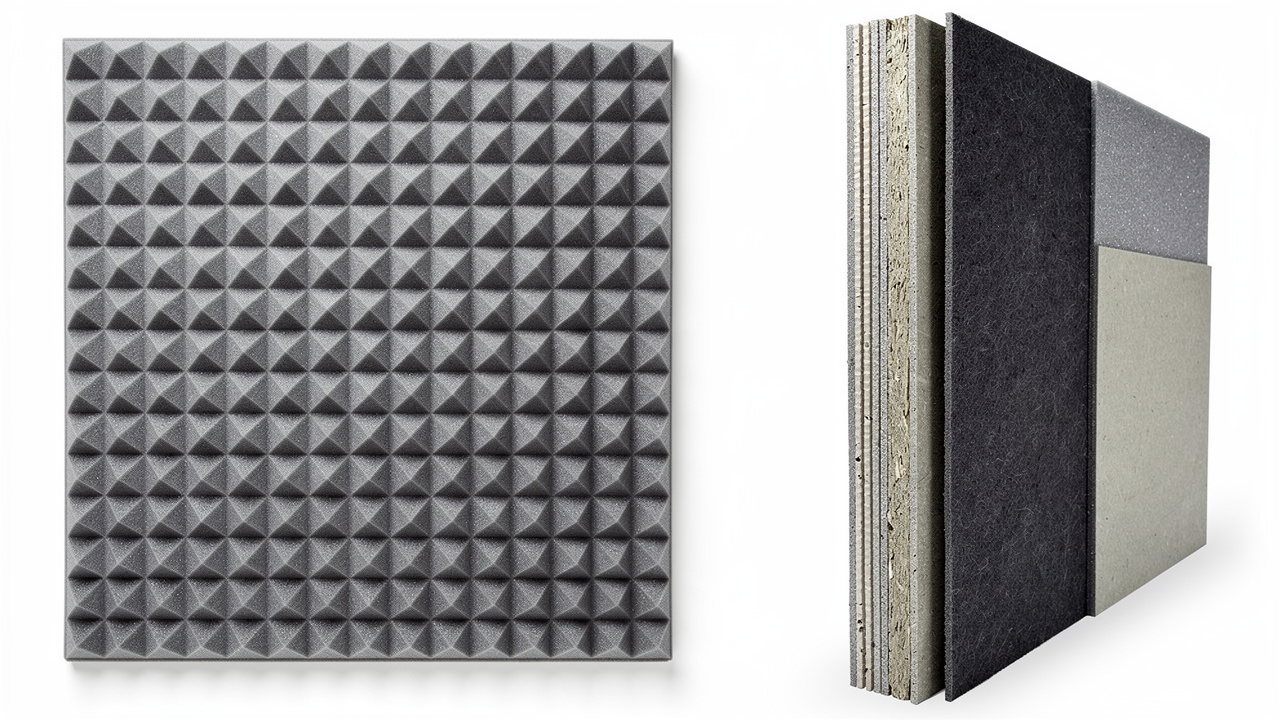
A common misconception is that applying foam panels or adding an extra layer of plasterboard will solve noise problems in a commercial building. These methods consistently fall short because they fail to address the fundamental physics of sound transmission. Understanding why these approaches are ineffective highlights the need for properly engineered professional soundproofing methods for UK commercial properties.
Acoustic foam panels are designed for sound absorption, not sound blocking. Their porous, open-cell structure is excellent at trapping sound waves to reduce echo and reverberation within a room, which can improve speech clarity. However, they possess virtually no mass, making them useless for preventing sound from passing through a party wall or floor.
Similarly, simply screwing another layer of standard plasterboard to an existing wall is a flawed strategy. While it adds a small amount of mass, it maintains a rigid connection to the original structure. This physical bridge allows sound vibrations to travel directly through the new layer and into your space. True commercial soundproofing requires the combination of mass, decoupling, and dampening, applied by specialists who understand how to build systems that truly isolate sound, as outlined in guidance on revising a national standard on residential acoustic design principles.
How Does Waseem Technical Deliver Customized Soundproofing For Commercial Facilities?
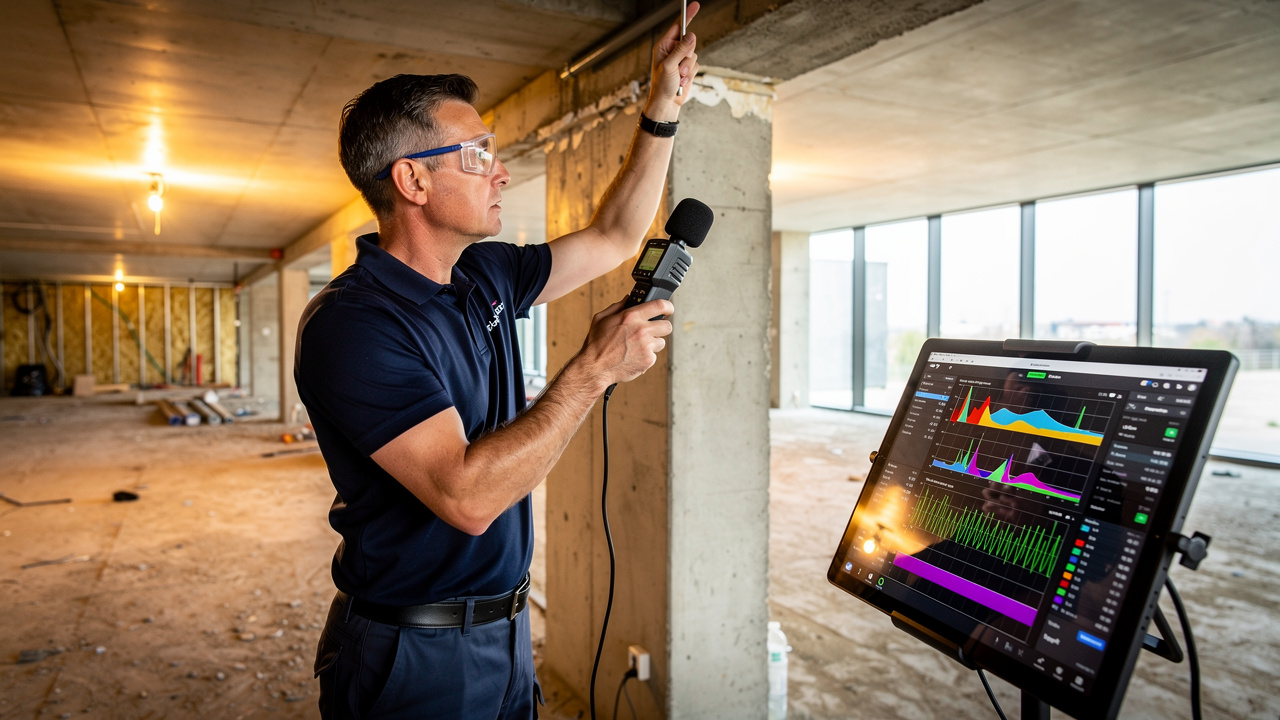
Waseem Technical delivers customized soundproofing by adopting a specialist, client-focused methodology that sets it apart from general facility management companies. We understand that effective noise control is not an afterthought but a technical discipline requiring deep expertise. Our approach is built on precision, customization, and a comprehensive understanding of acoustic science to address the specific challenges of each commercial facility.
Our exclusive focus on acoustics is a key differentiator. With over 13 years of dedicated experience, Waseem Technical serves a wide range of commercial clients, including offices, hotels, restaurants, recording studios, cinemas, and factories. Unlike general maintenance contractors who may offer soundproofing as a minor add-on, we treat it as a core specialty. This allows us to diagnose complex noise issues accurately and recommend the most effective approaches, whether it is for speech privacy in a boardroom or vibration control in an industrial plant room.
The customized approach begins with a thorough assessment of a facility’s specific acoustic signature. We specify premium acoustic products and installation techniques that are precisely matched to the building’s structure and operational needs, following design standards : employer’s requirements and best-practice guidance for acoustic performance in commercial environments. This expertise is complemented by our comprehensive commercial services, including HVAC, electrical, and energy efficiency systems. By integrating soundproofing with other essential building services, Waseem Technical delivers a complete approach that helps achieve a quiet, compliant, and efficient commercial environment.
What Commercial Sectors Benefit Most From Professional Soundproofing?
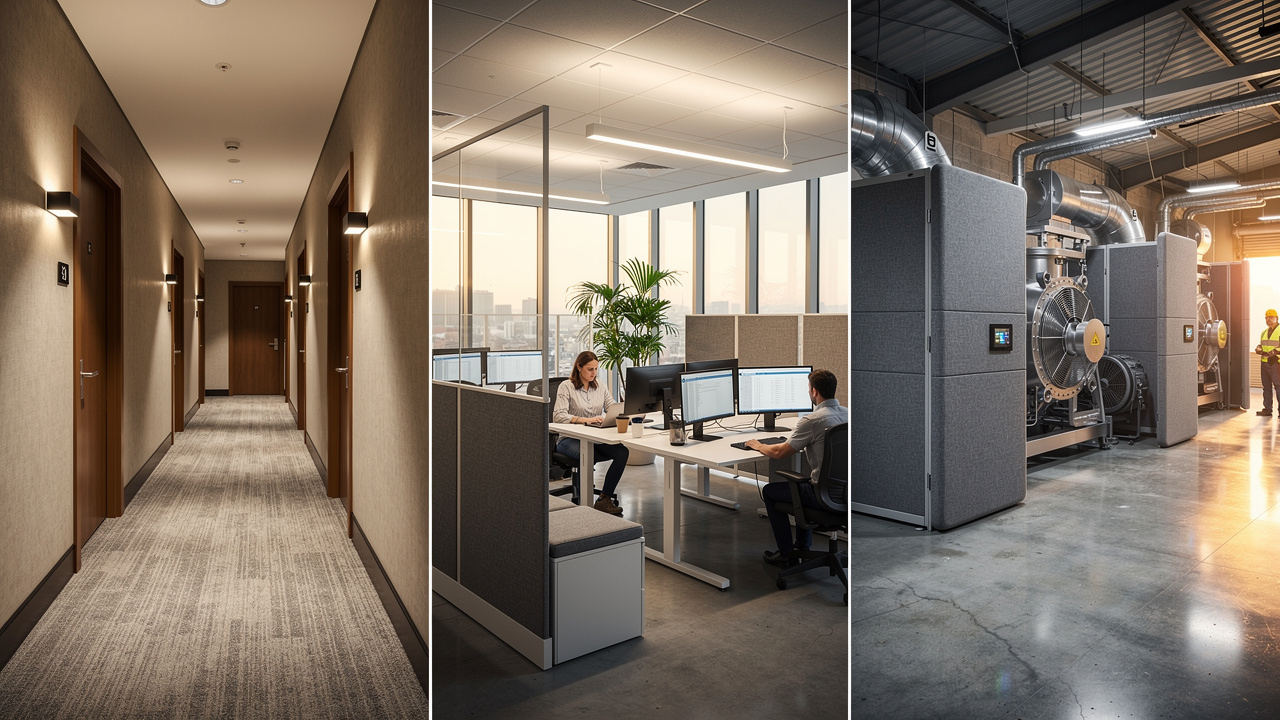
Nearly every commercial sector can benefit from professional soundproofing, as controlled acoustics contribute directly to productivity, customer satisfaction, and regulatory compliance. Certain industries, however, have non-negotiable requirements for noise control where acoustics are fundamental to their operations. Custom professional soundproofing methods for UK standards are essential for these high-priority environments.
High-priority sectors include open-plan offices and corporate facilities.
Research on sound distraction and mental health in the workplace confirms that noise significantly reduces employee satisfaction and productivity, with studies reporting figures as high as 53% of workers affected.
Soundproofing helps meet speech privacy for confidential conversations and reduces distractions, creating a more focused work environment. The hospitality industry, including hotels and restaurants, also relies heavily on acoustics to improve guest comfort. Proper sound insulation between rooms and managing ambient noise in dining areas directly impacts customer experience and reviews. Specialty venues like recording studios, cinemas, and auditoriums demand the highest level of noise control, where sound clarity is a critical operational requirement.
Industrial and institutional applications represent another significant category. Factories, schools, and mechanical plant rooms often contend with powerful, low-frequency machinery vibrations and high levels of impact noise. These environments require heavy-duty systems such as custom acoustic enclosures, anti-vibration mounts for equipment, and specialized membrane installations on walls and floors. A one-size-fits-all approach is ineffective in these settings, reinforcing the need for expert assessment and customized installation to protect workers and prevent noise pollution in surrounding areas.
The Bottom Line
Effective commercial soundproofing is a specialized field that demands much more than what generalist maintenance contractors can offer. Achieving a truly quiet and productive environment relies on a scientific approach that correctly identifies the type of noise and applies the right combination of mass, decoupling, and dampening. Lasting, measurable results are only possible when these systems are applied with technical precision.
Investing in professional soundproofing methods for UK-level standards is an investment in the productivity, comfort, and compliance of your commercial property. By addressing noise pollution head-on, you can improve employee focus, improve customer experiences, and meet modern expectations for your facility.
If you are a commercial property manager or facility operator ready to address your noise challenges permanently, consult Waseem Technical. Our team is ready to provide a custom acoustic assessment and engineer an approach for your specific needs.
Frequently Asked Questions
Question: What is the difference between soundproofing and sound absorption in a commercial building?
Answer: Soundproofing uses mass and decoupling to block noise from entering or leaving a space. Sound absorption uses porous materials like acoustic panels to reduce echo and improve sound quality within a room. Commercial projects often require both to block external noise and improve internal speech clarity.
Question: How much disruption does professional soundproofing cause in an operational commercial building?
Answer: The level of disruption depends on the system. Slim, direct-to-wall panels can be installed with minimal impact on operations. More extensive systems like floating floors or independent stud walls may require phased installation, which can be scheduled to minimize downtime and keep your business running smoothly.
Question: Can professional soundproofing also improve a building’s energy efficiency?
Answer: Yes, many high-performance acoustic materials also function as effective thermal insulation. Adding density and layers to walls, floors, and ceilings can help reduce heat transfer, contributing to a building’s overall energy efficiency and potentially lowering utility costs over time.
Question: What types of commercial facilities does Waseem Technical serve?
Answer: Waseem Technical serves a broad range of facilities, including offices, hotels, restaurants, recording studios, cinemas, auditoriums, schools, and factories. We work with property managers and industrial businesses to create quieter, more productive, and compliant environments through specialized installations.
Question: Is professional soundproofing a one-time installation or does it require ongoing maintenance?
Answer: A high-quality professional installation is designed to be a permanent and durable approach that does not require regular maintenance. However, it is good practice to periodically inspect acoustic seals around doors and other potential weak points to ensure the system continues to perform optimally for years.