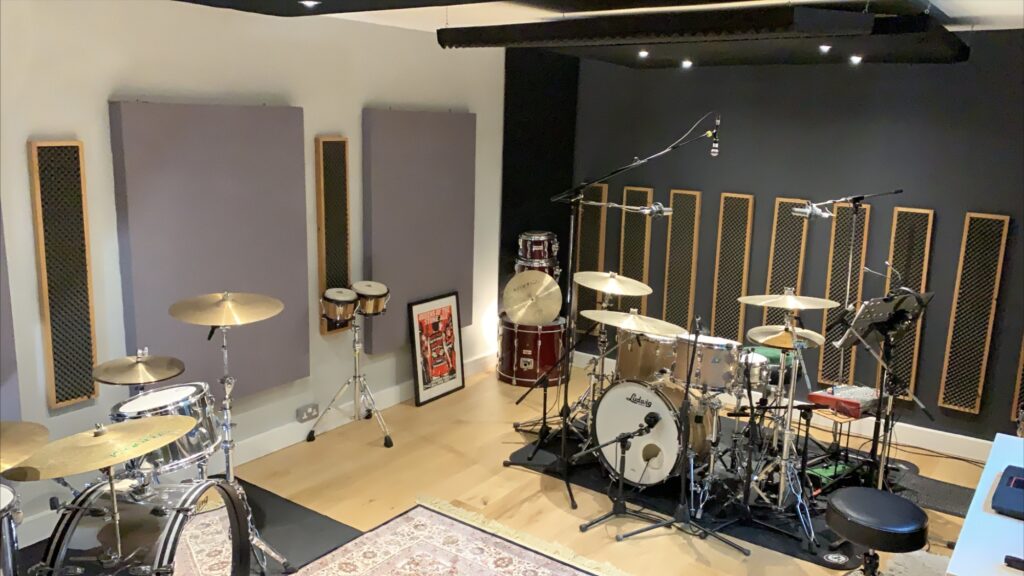
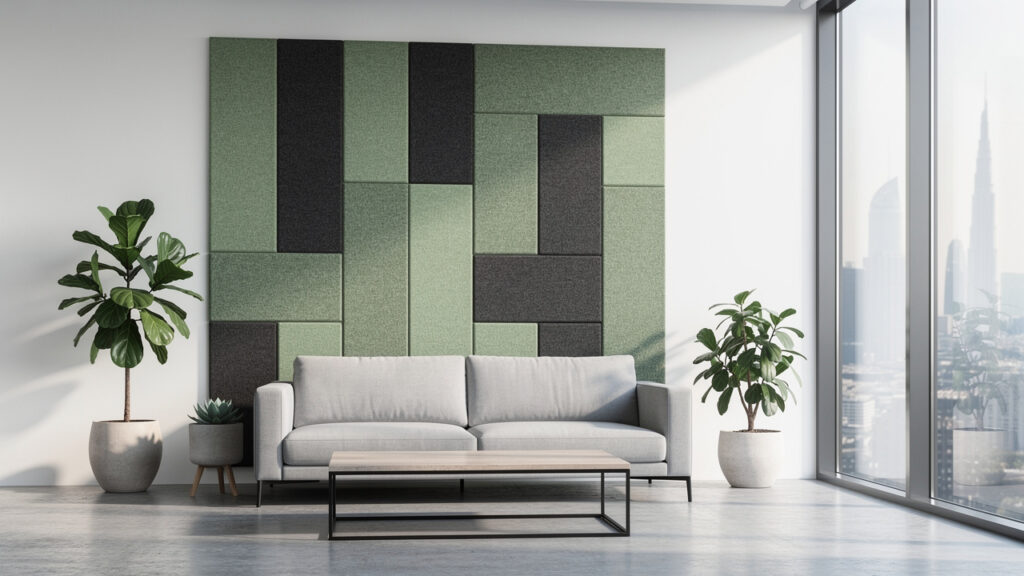
Sustainable acoustic design is becoming a real need in busy UAE cities such as Dubai and Abu Dhabi. Constant traffic, construction, and crowded buildings make quiet rooms hard to find. At the same time, more projects now look for eco-friendly ways to control noise.
That’s where PET acoustic panels stand out. These panels use recycled plastic, help absorb sound, and support greener building goals without heavy construction work. In this article, you will see:
what sustainable acoustic approaches mean
why they matter in the UAE
how PET panels work
where they are used
how Waseem Technical installs them across homes and businesses
If you want quieter rooms without wasting materials or energy, PET panels are worth a close look. Keep reading to see how they fit apartments, offices, hotels, schools, and more across the Emirates.
Key Takeaways
PET acoustic panels turn discarded plastic bottles into high‑performance sound‑absorbing boards. Each panel helps reduce echo while also cutting plastic waste that might otherwise end up in landfills, giving property owners acoustic comfort with a lighter environmental footprint.
These panels handle UAE heat and humidity very well. They do not warp or sag in air-conditioned towers or villa extensions, so performance stays stable over many years, even with strong temperature swings.
PET boards double as interior design features. They come in many colors, shapes, and thicknesses that match modern Dubai offices, cozy Sharjah apartments, and stylish hotel lobbies. Designers can use them as art pieces that also calm noisy spaces.
Their recycled content and low emissions align with Estidama and LEED green building frameworks. They support indoor environmental quality credits related to acoustics and materials, helping developers meet sustainability targets while solving real noise issues.
Waseem Technical supplies, designs, and installs PET acoustic panels across all UAE Emirates and the wider GCC. The team handles everything from site checks to CNC-cut designs and clean installation, so clients receive long-lasting acoustic performance with simple cleaning needs.
What Are Sustainable Acoustic Strategies and Why Does the UAE Need Them?
Sustainable acoustic approaches are sound control methods that reduce noise while also protecting health and the environment. They use recycled, recyclable, or low-emission materials instead of foam and plastics that are hard to reuse. The goal is:
quieter rooms
less waste
fewer chemicals
lower energy use over time
In the UAE, this topic links directly to how cities like Dubai, Abu Dhabi, and Sharjah keep growing. High-rise towers, busy highways, metro lines, and 24-hour construction all add to constant background noise. According to the World Health Organization, long-term exposure to high noise levels raises stress and can affect heart health and sleep quality.
Modern towers in places such as Dubai Marina or Business Bay also rely on sealed façades and strong air-conditioning. Walls, glass, and ceilings must block heat and sound at the same time. That combination makes smart acoustic design an important part of comfort, not just an extra feature.
Why PET Panels Are Emerging as the Leading Sustainable Acoustic Option
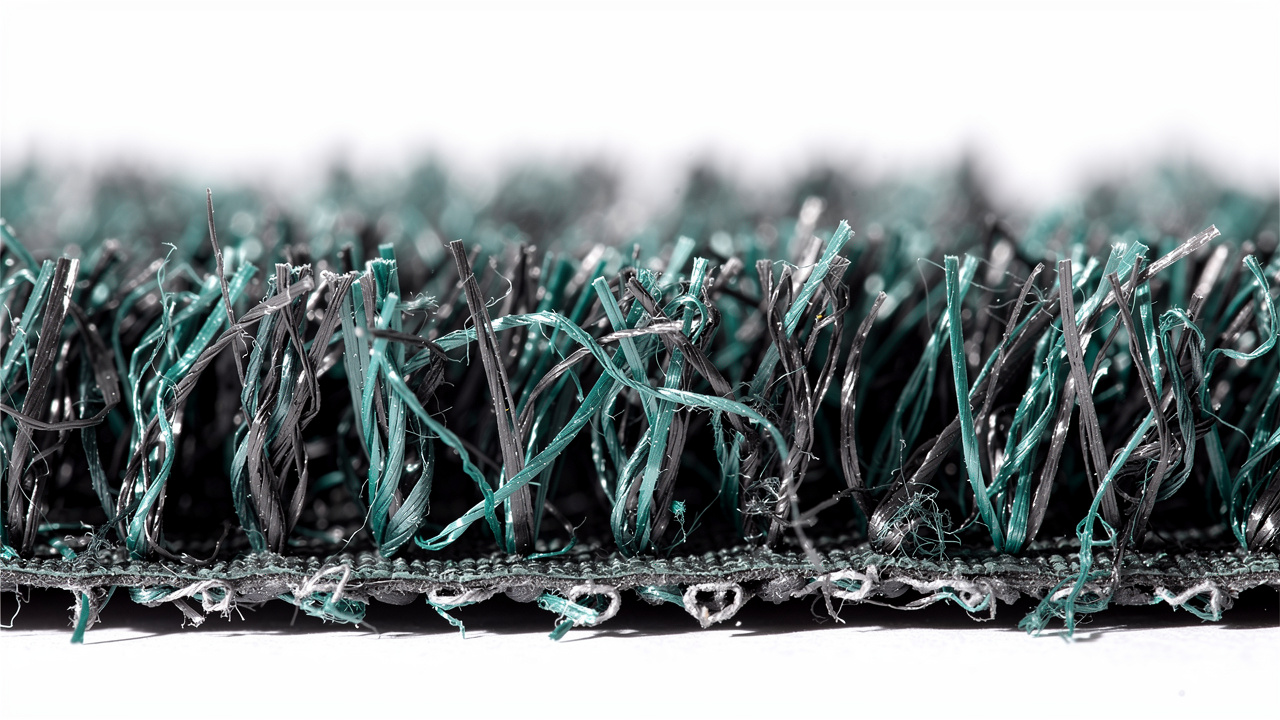
PET acoustic panels are sound-absorbing boards made from compressed fibers of recycled polyethylene terephthalate. In simple terms, they give plastic bottles a second life as dense, soft panels that soak up sound reflections. When placed on walls or ceilings, they reduce echo, shorten reverberation, and make speech easier to understand.
The structure of PET fiber traps sound waves across a wide frequency range. This helps calm sharp reflections from glass, concrete, and marble that are common in UAE interiors. Research from the World Green Building Council links better acoustic comfort with productivity gains of up to several percentage points, especially in offices and schools. Supporting this, a comparative study on acoustical properties using recycled porous materials confirms that post-consumer waste-based panels can match or exceed the sound absorption performance of conventional materials.
From a sustainability view, PET boards are made from post-consumer plastic and can often be recycled again at the end of use. The US Environmental Protection Agency lists PET as one of the most widely recycled plastics worldwide. Using it in acoustic products helps reduce demand for virgin raw materials while giving value to collected waste.
For the GCC climate, PET has clear benefits:
Panels resist moisture and hold their shape in air-conditioned towers in Dubai, villas in Abu Dhabi, or coastal projects in Ras Al Khaimah.
They do not easily warp, crack, or fade when rooms move between hot outdoor air and cool indoor air.
High-quality PET panels also meet fire safety standards needed for public spaces. They are suitable for schools, clinics, hotels, and offices that must follow the UAE Fire and Life Safety Code. Innovative approaches like PULPBAFFLE: a biodegradable acoustic solution further demonstrate how additive manufacturing and sustainable materials are expanding the range of eco-friendly acoustic products available to designers and builders. At the same time, they come in many colors, thicknesses, and patterns, so architects from firms in Dubai Design District can use them as design elements, not just technical parts hidden behind finishes.
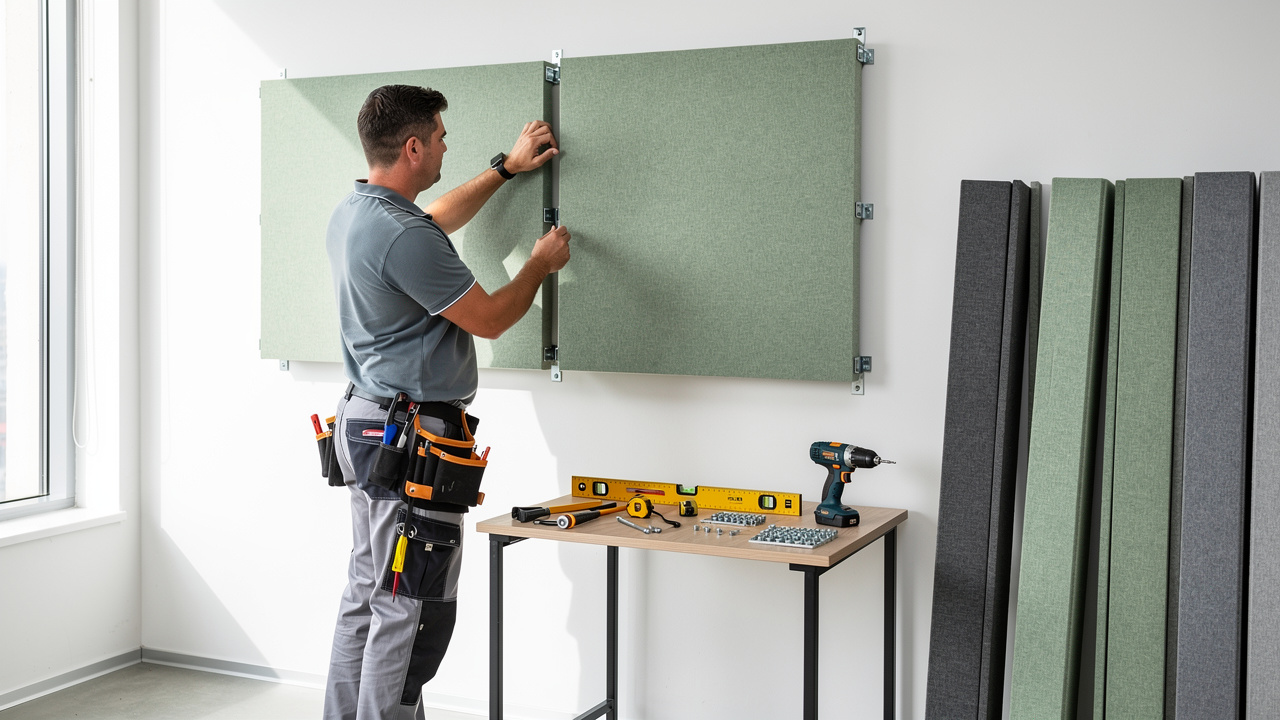
Waseem Technical selects PET panel ranges that suit local conditions in the UAE and wider GCC. The team uses CNC cutting to achieve clean shapes for feature walls, ceiling rafts, and desk screens. Because the panels are light, installers can work quickly with adhesive glue, mounting clips, or screws and wall plugs, often without heavy building changes.
How Do PET Panels Compare to Other Eco-Friendly Acoustic Materials?
PET acoustic boards sit beside mineral wool, cork, and natural textile panels as leading green acoustic choices. Each group has strengths, yet PET often offers the best mix for UAE projects.
Here is a simple comparison.
| Material | Sustainability | Climate Fit in UAE | Installation Ease | Design Flexibility |
|---|---|---|---|---|
| PET panels | High recycled content and recyclable again | Very stable in heat and humidity | Light, clean cutting, simple fixing | Wide range of colors and shapes |
| Mineral wool | Often includes recycled content | Good for hidden cavities | Needs framing and coverings | Limited when visible |
| Cork | Naturally renewable bark resource | Stable indoors, best kept dry | Good under floors, less used on walls | Warm natural look, fewer bright colors |
| Natural textile panels | Biodegradable fibers such as wool or hemp | Work best in well-controlled interiors | Moderate weight, need careful fixing | Soft, natural finishes, smaller color range |
For many UAE homes, offices, and hotels, PET boards stand out because they score well in all four columns at once. That balance explains why more architects, interior designers, and facility teams now choose PET for both retrofit and new-build projects.
Where Are PET Acoustic Panels Making the Biggest Impact in the UAE?
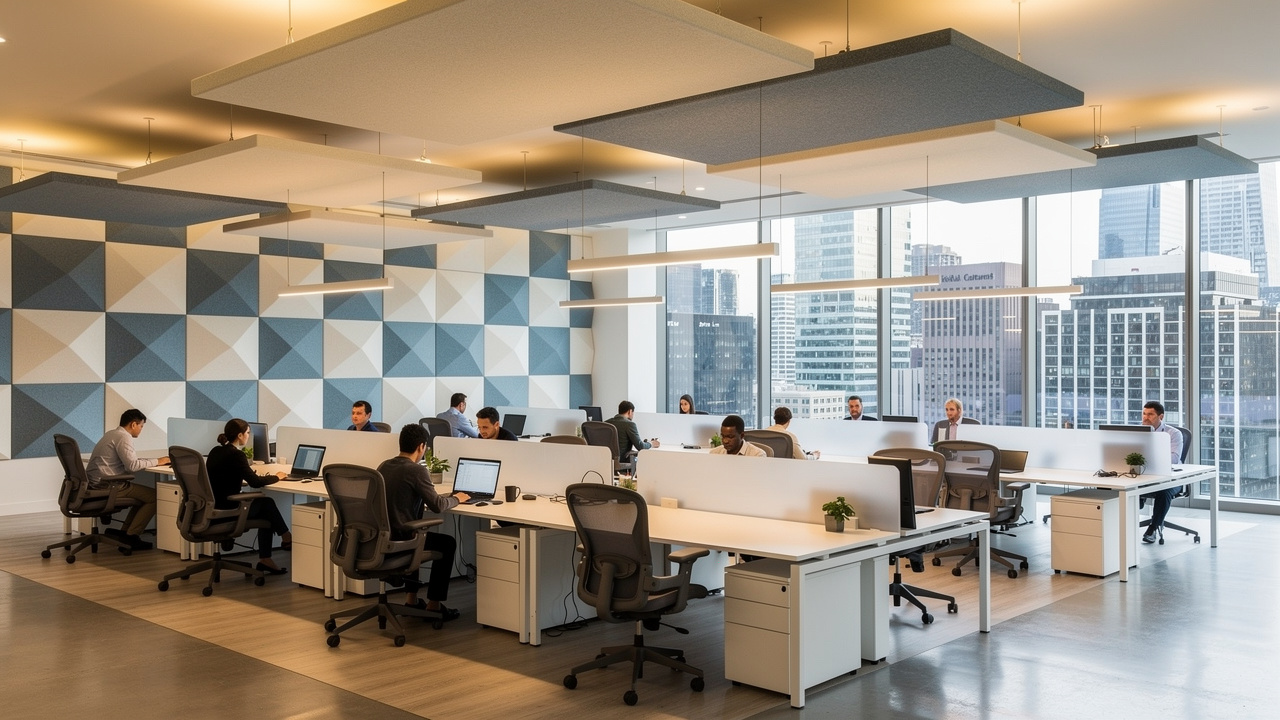
PET acoustic panels are changing how different UAE spaces manage sound while staying climate and design friendly. They fit just as well in a Sharjah apartment as in a Dubai Media City office or a hotel meeting room on Sheikh Zayed Road. In each case, they cut echo and noise without heavy construction work.
In residential settings, open-plan living rooms with tiles and large glass areas often feel harsh and loud. Adding PET boards behind sofas, along stair walls, or above TV areas softens the sound and improves conversation. Clip-mounted systems allow installation in rented apartments in Dubai Marina, Jumeirah Lake Towers, or Al Nahda without damaging main walls.
According to the World Health Organization, poor acoustic conditions can reduce sleep quality and raise stress. PET panels installed in bedrooms facing busy roads in Deira or Khalidiyah help calm reflections and reduce noise that sneaks through doors and walls. Home studios and gaming rooms in villas also benefit from simple panel layouts around main reflection points.
Commercial and institutional spaces see even larger gains. Open-plan offices in Abu Dhabi Global Market or Dubai International Financial Centre often suffer from talk noise that travels across work areas. Ceiling rafts and desk screens made from PET fiber panels help improve speech privacy and focus. Schools and training centers across the Emirates use PET clouds and wall panels in classrooms and auditoriums to improve clarity for students and teachers.
Hospitality projects from Ras Al Khaimah resorts to Downtown Dubai restaurants also rely on PET boards. They calm loud dining rooms, hotel lobbies, and lounges without hiding premium finishes. Because panels are available in custom shapes, designers use them as part of the interior concept, not just an add-on.
How Waseem Technical Delivers Sustainable PET Acoustic Systems Across the UAE
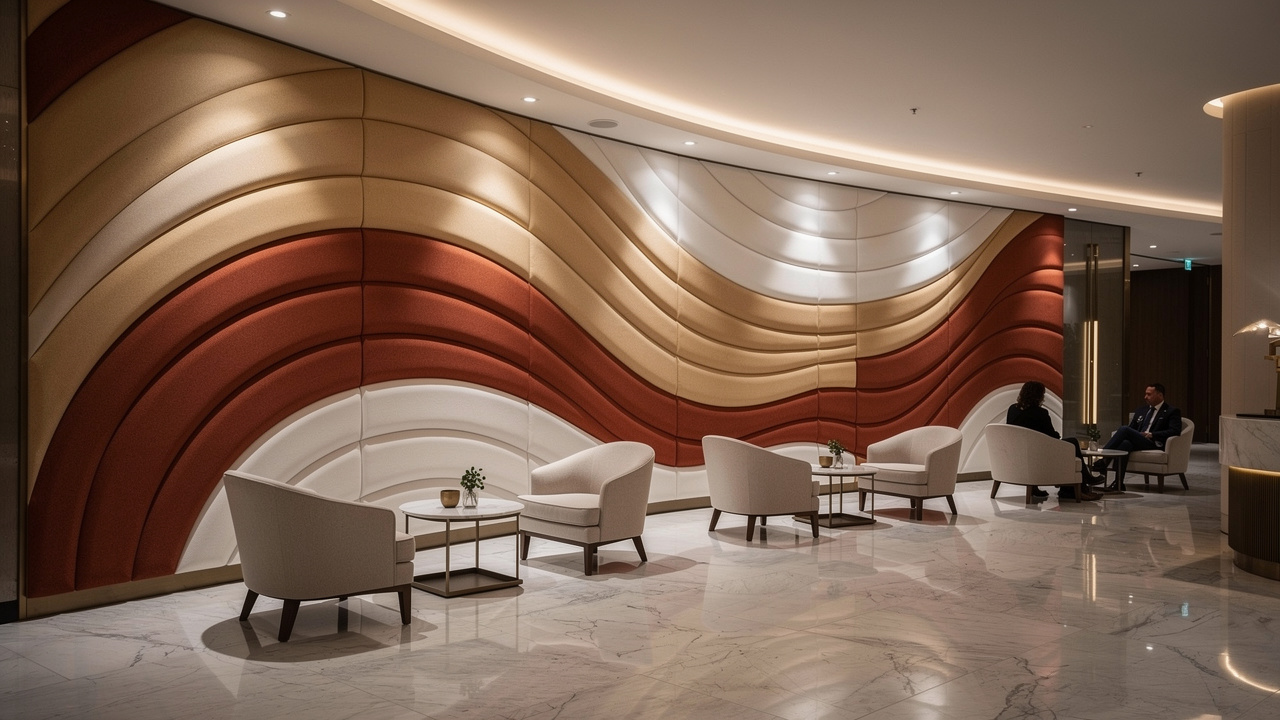
Waseem Technical focuses only on acoustics in the UAE and GCC, with PET panels as a core part of that work. The company guides clients from first noise complaint to final installed panels that look clean and perform well. This approach suits homeowners, facility managers, and contractors who want expert support instead of trial and error.
Projects usually begin with a detailed conversation and, where helpful, a site visit. The team reviews room use, finishes, and main noise sources in locations such as Dubai, Sharjah, Abu Dhabi, or Ras Al Khaimah. Simple sound measurements and layout checks help identify whether problems come from echo, sound transfer, or both.
Based on this review, Waseem Technical proposes PET panel placements for walls, ceilings, or workstations. CNC cutting allows custom patterns, logos, and shapes that match interior designs from local architecture studios. Panels are then installed using the most suitable method, whether adhesive glue for flat walls, mounting clips for removable layouts, or screws and wall plugs for permanent fixtures.
“Our goal is to make rooms sound better without making construction more complicated,” explains the Waseem Technical team. “Most projects can be handled with clean, fast installation methods that fit around daily use of the space.”
According to the US Green Building Council, good indoor environmental quality, including acoustics, has a strong link to occupant comfort and satisfaction. Waseem Technical supports projects that target LEED or Estidama credits by selecting PET products with documented recycled content and low emissions. This helps office owners, hotel groups, and schools meet broader sustainability goals.
The company also explains simple care steps so panels keep performing over many years. Basic care usually includes:
light vacuuming to remove dust
gentle wiping with mild soap or neutral pH cleaners
No repainting is needed, so life-cycle costs stay low for business parks in Jebel Ali, clinics in Sharjah, or villas across the Emirates and Doha. Clients are advised to avoid bleach, strong solvents, steam cleaning, and pressure washing, which can damage the material surface.
The Bottom Line
A move toward PET acoustic panels brings together sound quality, sustainability, and design freedom for UAE properties. These panels turn waste plastic into useful, attractive boards that calm noisy rooms in towers, villas, offices, schools, and hotels. They suit the region’s demanding heat and humidity without regular replacement.
With noise levels rising and green building rules becoming stricter, ignoring acoustic comfort is no longer a safe choice for owners and managers. PET panels offer a practical path to quieter, healthier interiors that also support recycled materials and low-emission products. Waseem Technical brings thirteen-plus years of focused acoustic experience to plan, supply, and install these systems across all Emirates and the wider GCC. To explore PET acoustic panel options for your property, call +971 50 209 7517 or visit waseemtechnical.ae for a free, no-obligation consultation.
Frequently Asked Questions
Before choosing PET acoustic panels, many UAE clients share similar questions about safety, climate performance, and upkeep. Clear answers help homeowners, designers, and facility teams move with confidence. The points below address the most common topics that Waseem Technical hears during site visits and calls.
Are PET acoustic panels safe for indoor use in UAE homes and offices?
Yes, PET acoustic panels are safe for indoor use in homes, offices, schools, and clinics. Quality panels are free from harmful chemicals and meet fire rating standards required by UAE codes. They also have low emissions, which supports healthy indoor air.
How do PET panels hold up in the UAE’s extreme heat and humidity?
PET panels perform very well under UAE conditions with high heat and humidity. The material resists moisture, so panels do not warp, sag, or grow mold in air-conditioned towers. Color and shape stay stable, even when rooms cycle between outdoor heat and cool indoor air.
Can PET acoustic panels help with green building certifications like LEED or Estidama?
Yes, PET acoustic panels support LEED and Estidama by using recycled content and low-emission materials. They also improve indoor acoustic comfort, which connects to indoor environmental quality credits. Documentation from manufacturers helps project teams show compliance during certification reviews.
What installation methods does Waseem Technical use for PET panels?
Waseem Technical installs PET panels using adhesive glue, mounting clips, or screws with wall plugs. The method depends on wall type, access, and whether panels should be removable. Light, non-invasive systems work well in high-rise apartments and active commercial floors that cannot close for long.
How do I maintain PET acoustic panels after installation?
Maintaining PET panels is simple and low cost. There is no need for painting or special coatings after installation. Routine care uses light vacuuming and gentle wiping with mild soap or neutral pH cleaners. You should avoid bleach, strong solvents, steam cleaning, and pressure washing.