High temperatures, seasonal humidity, and constant air-conditioning cycles can all impact the long-term performance of acoustic treatments. While acoustic panels are designed to improve sound quality and reduce unwanted noise, not all panels respond to moisture and humidity in the same way.
Understanding how humidity affects acoustic panel performance can help property owners, architects, and facility managers choose the right materials for long-lasting acoustic results in Dubai’s demanding environment.
Understanding Dubai’s Humid Conditions
Although Dubai is known for its desert climate, humidity levels can become quite high, especially in coastal areas and during the summer months. Indoor environments are often exposed to fluctuating humidity due to air-conditioning systems, ventilation changes, and the movement between indoor and outdoor spaces.
These conditions can affect certain acoustic materials over time if they are not specifically designed to resist moisture. Moisture exposure may influence both the physical condition and acoustic effectiveness of some panel types.
Why Moisture Matters for Acoustic Panels
Most acoustic panels work by absorbing sound waves through porous materials. These materials contain tiny air pockets that help trap sound energy and reduce echo.
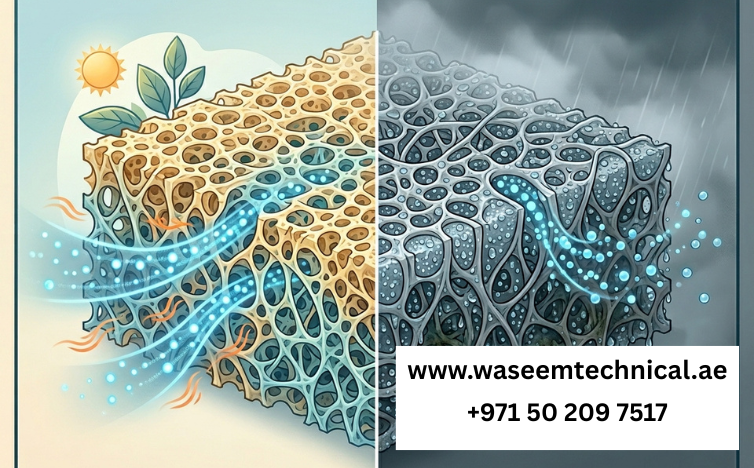
When excessive moisture enters the panel structure, those air pockets can become compromised. Moisture may alter the material’s density and reduce its ability to absorb sound efficiently. In severe cases, prolonged exposure can lead to warping, sagging, mold growth, or deterioration of panel components.
The Impact of Humidity on Sound Absorption
Humidity affects more than just the panel itself. It can also influence how sound travels through the air.
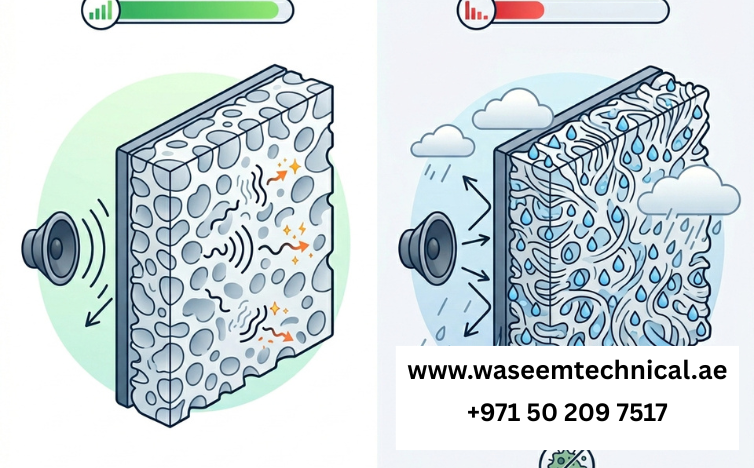
Acoustic treatment materials such as mineral wool, fiberglass, and foam rely on their porous structure to absorb sound. When moisture accumulates within these materials, absorption efficiency may decrease because water occupies spaces normally filled with air. This can reduce the panel’s effectiveness, particularly at certain frequencies.
As a result, rooms may experience:
- Increased reverberation
- Reduced speech clarity
- More noticeable echoes
- Inconsistent acoustic performance
These issues can become more apparent in offices, meeting rooms, studios, schools, and commercial facilities where acoustic control is critical.
Common Problems Caused by Excess Humidity
When acoustic panels are exposed to long-term moisture, several performance and durability issues can develop.
Material Swelling and Warping
Panels that contain MDF, untreated wood fibers, or moisture-sensitive cores may absorb humidity over time. This can cause swelling, distortion, or changes in shape that affect both appearance and acoustic performance. Standard MDF-based acoustic products are particularly vulnerable to prolonged moisture exposure.
Mold and Mildew Growth
Moisture trapped within acoustic materials can create conditions that support mold and mildew growth. Besides damaging the panels themselves, this may negatively affect indoor air quality and require premature replacement.
Adhesive Failure
Many wall-mounted acoustic systems rely on adhesives for installation. Humidity can weaken certain adhesives over time, causing panels to loosen or detach from surfaces if moisture-resistant installation methods are not used.
Reduced Acoustic Efficiency
As moisture alters the internal structure of porous materials, the panel’s sound absorption capability may decline. This means the acoustic treatment may no longer perform at its original specification.
Which Acoustic Panels Perform Best in Dubai’s Climate?
Not all acoustic panels respond to humidity in the same way. Modern acoustic products designed for challenging environments offer improved resistance to moisture and temperature fluctuations.
Some commonly used moisture-resistant options include:
- PET acoustic panels
- Wood wool acoustic panels
- PVC-based acoustic panels
- Coated fiberglass panels
- Specialized water-resistant acoustic systems
These materials are designed to maintain their structural integrity and acoustic performance even in environments with elevated humidity levels.
Why PET Panels Are Popular in Dubai
PET acoustic panels have become increasingly popular because they are lightweight, durable, and resistant to moisture-related damage.
Unlike some traditional acoustic materials, PET panels can maintain their performance in humid environments while providing effective sound absorption. Their moisture resistance makes them suitable for offices, commercial buildings, educational facilities, and modern residential interiors throughout Dubai.
Wood Wool Panels and Moisture Resistance
Wood wool acoustic panels are another effective solution for Dubai’s climate. These panels combine natural wood fibers with cement-based bonding, creating a structure that offers both acoustic performance and moisture resistance.
Because of their durability and ability to withstand environmental changes, wood wool panels are often used in commercial spaces, educational facilities, and public buildings where long-term performance is essential.
Installation and Ventilation Matter Too
Even moisture-resistant acoustic panels perform best when installed correctly.
Proper ventilation helps regulate indoor humidity levels and reduces the risk of moisture accumulation behind acoustic treatments. Professional installation also ensures panel edges, mounting systems, and supporting materials are protected against long-term moisture exposure.
Facility managers can further improve panel lifespan by:
- Maintaining indoor humidity control
- Ensuring adequate ventilation
- Inspecting panels regularly
- Using moisture-resistant installation materials
- Addressing water leaks immediately
These preventive measures help preserve both acoustic performance and appearance.
Choosing the Right Acoustic Solution for Dubai
Dubai’s climate requires acoustic products that balance sound absorption, durability, and moisture resistance. While standard panels may perform well in controlled environments, humidity-resistant acoustic systems provide greater reliability for long-term installations.
Selecting materials specifically designed for humid conditions helps prevent deterioration, maintain acoustic performance, and reduce maintenance costs over time. Whether for offices, schools, hospitality venues, healthcare facilities, or residential spaces, choosing the right acoustic panel is essential for achieving lasting results in Dubai’s unique climate.
Call us: Contact Waseem Technical Soundproofing Expert in Dubai: +971 50 209 7517
Conclusion
Humidity is an important factor that can influence the effectiveness and lifespan of acoustic panels in Dubai. Moisture can affect sound absorption, structural stability, and overall durability when inappropriate materials are used.
By selecting moisture-resistant acoustic solutions and ensuring professional installation, property owners can maintain excellent acoustic performance while protecting their investment. High-quality acoustic panels designed for humid environments provide reliable noise control, improved sound quality, and long-term durability, making them the ideal choice for Dubai’s climate.