Noise traveling between floors is one of the most common acoustic problems in homes, offices, and apartments. Footsteps, furniture movement, and dropped objects create impact noise that easily transfers through the structure. Acoustic carpets are often marketed as a solution, but the real question is how effective they actually are. The answer is yes—acoustic carpets do reduce noise between floors, but their effectiveness depends on how they are installed and what type of noise you are trying to control.
Acoustic carpets work primarily by absorbing and cushioning sound energy before it enters the floor structure. While they can significantly reduce impact noise, they are not a complete soundproofing solution on their own.
How Acoustic Carpets Reduce Floor Noise
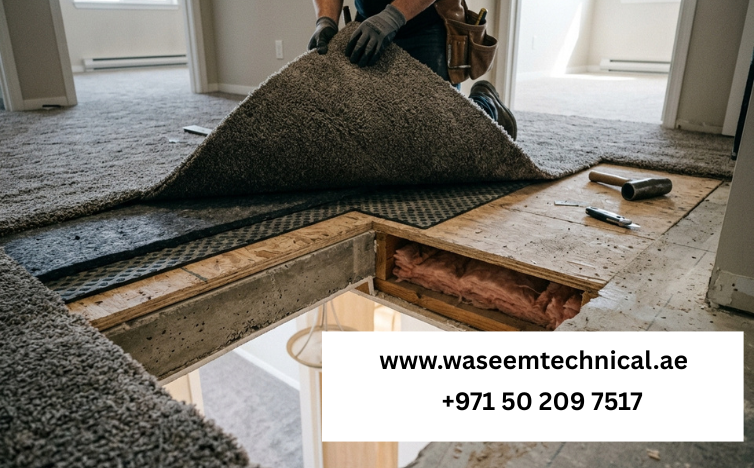
Acoustic carpets reduce noise in two main ways: by absorbing airborne sound and by cushioning impact vibrations. The soft fibers trap sound waves and prevent them from reflecting, while the padding underneath acts as a shock absorber that reduces vibrations caused by footsteps and movement.
Studies show that carpet combined with proper underlay can reduce impact noise by 15 to 40%, depending on thickness and material quality. In practical terms, this means loud footsteps can be reduced to softer, less noticeable sounds.
Thicker and denser carpets perform better because they provide more material to absorb sound energy. Carpet systems can also achieve high sound absorption ratings, with some reaching NRC values of up to 0.7. This makes them highly effective for improving acoustic comfort in multi-level spaces.
What Type of Noise Do They Actually Stop?
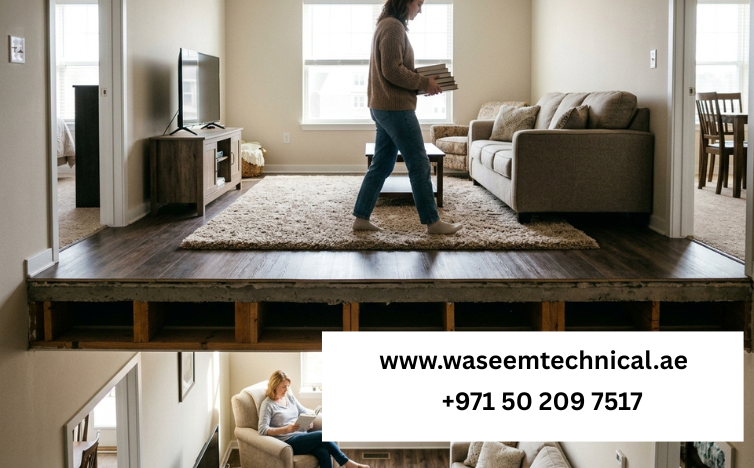
Acoustic carpets are most effective against impact noise, such as walking, dragging chairs, or dropping items. These sounds are reduced because the carpet and underlay absorb the force before it transfers into the floor structure.
However, they are less effective against airborne noise, such as voices, music, or TV sound. While carpets can slightly reduce these sounds inside a room, they do not fully block them from passing between floors.
This distinction is important. If your main issue is footsteps from above, acoustic carpets can make a noticeable difference. If the problem is loud music or voices, additional soundproofing methods will be required.
Why Underlay Matters More Than Carpet Alone
One of the most overlooked factors in acoustic flooring is the underlay. The padding beneath the carpet plays a critical role in noise reduction by acting as a buffer between the surface and the floor structure.
High-quality acoustic underlay can reduce impact noise by up to 15–35 decibels, depending on thickness and material. Without proper underlay, even thick carpet will not deliver optimal results.
This is why professional acoustic flooring systems always include both carpet and specialized underlayment rather than relying on surface material alone.
Limitations of Acoustic Carpets
While acoustic carpets are effective, they are not a complete soundproofing solution. They cannot fully block sound transmission between floors because they lack the mass required to stop low-frequency noise.
Deep sounds such as bass, heavy machinery, or structural vibrations require dense materials like mass-loaded vinyl or structural modifications. Carpet alone cannot prevent these sounds from traveling through the building.
In other words, acoustic carpets reduce noise—but they do not eliminate it.
When Are Acoustic Carpets Enough?
Acoustic carpets are often sufficient in residential settings where the goal is to reduce everyday noise like footsteps and general activity. In apartments, offices, and shared spaces, they can significantly improve comfort and reduce disturbance without major construction.
However, in high-noise environments or where strict sound isolation is required, carpets should be combined with additional solutions such as floor insulation layers, ceiling treatments, or structural soundproofing systems.
Call us: Contact Waseem Technical Soundproofing Expert in Dubai: +971 50 209 7517
Conclusion
Acoustic carpets can effectively reduce noise between floors, especially when it comes to impact sounds like footsteps and movement. When combined with high-quality underlay, they offer a practical and cost-effective way to improve acoustic comfort in multi-level spaces.
However, they are not a complete soundproofing solution. For full noise control—especially against airborne or low-frequency sound—additional acoustic materials and structural treatments are necessary. Understanding these limitations helps you choose the right solution and avoid unrealistic expectations.